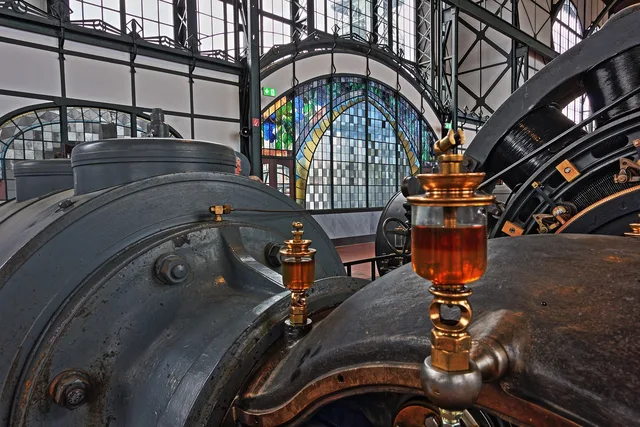
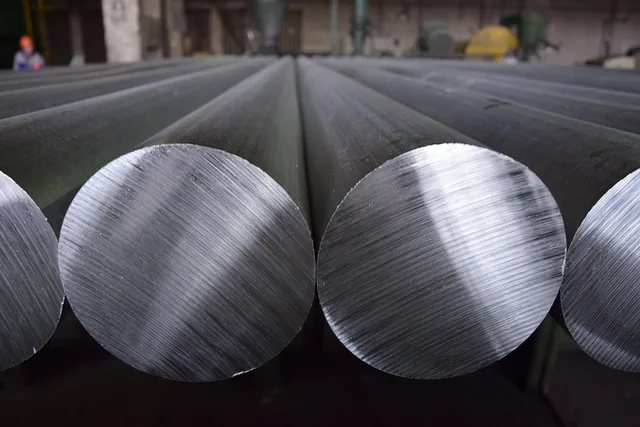
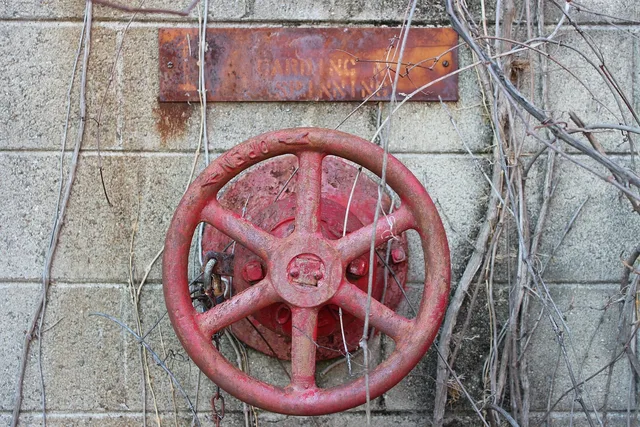
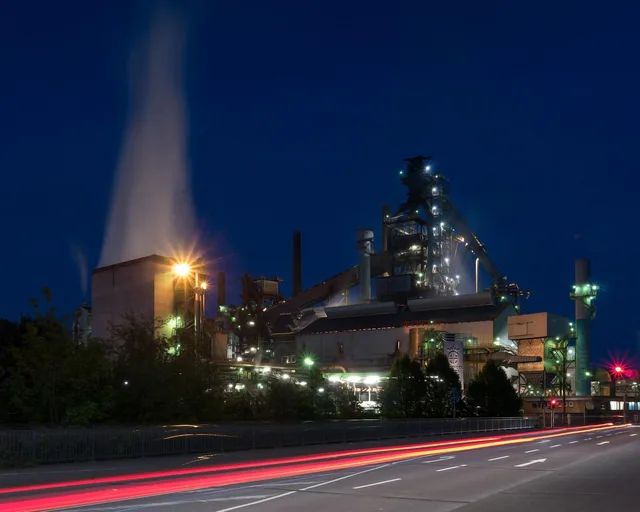
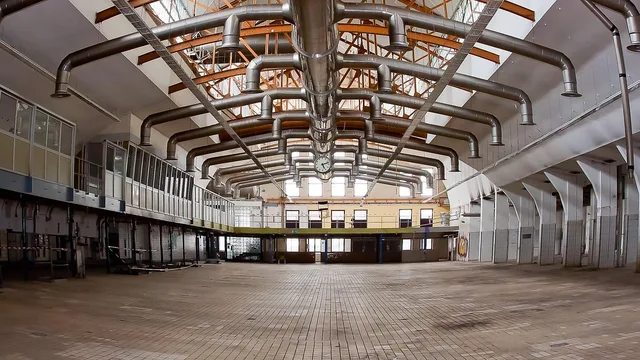
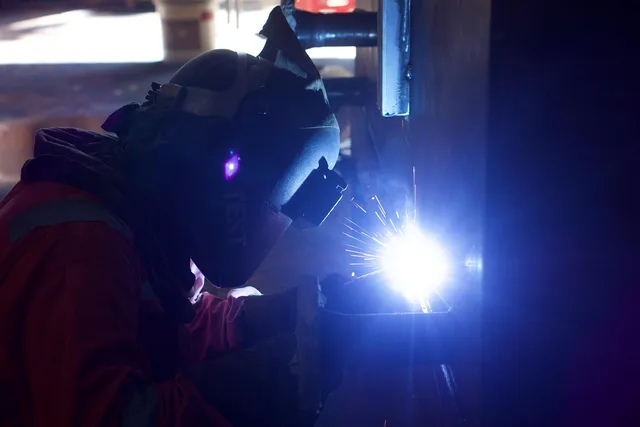
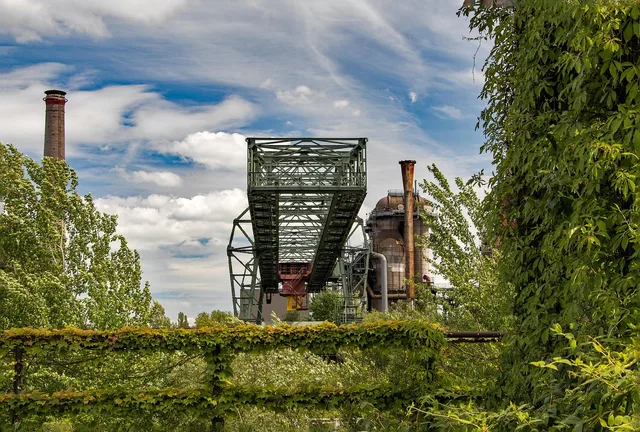
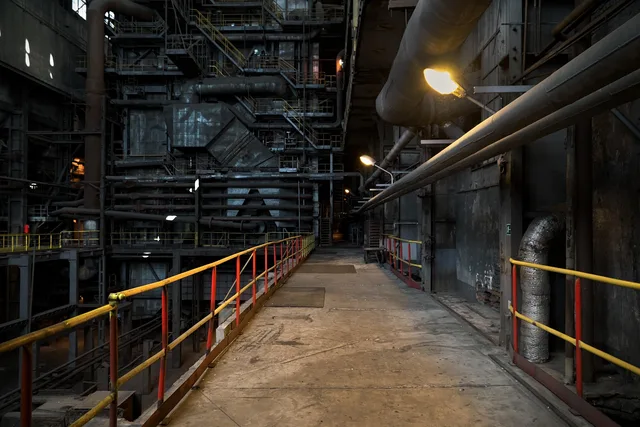
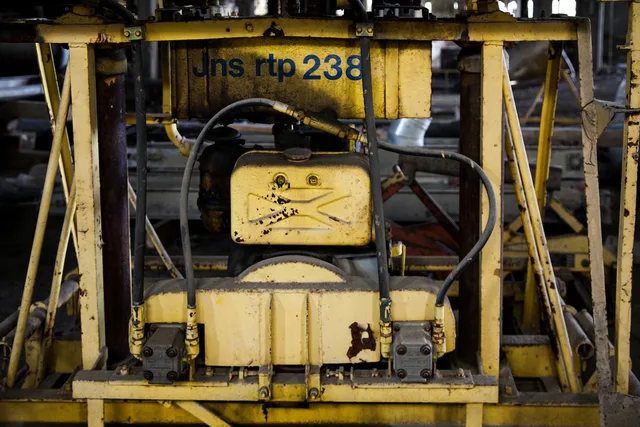
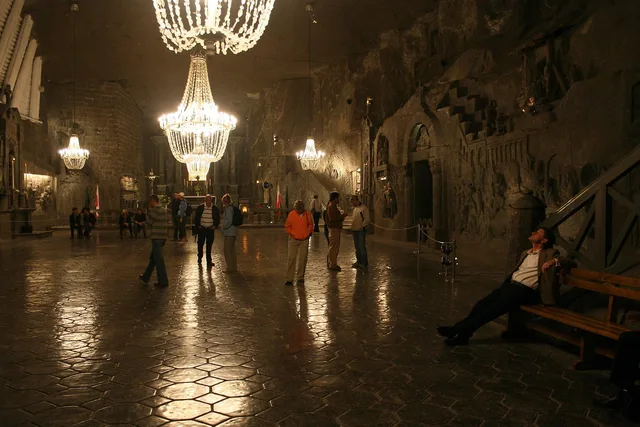
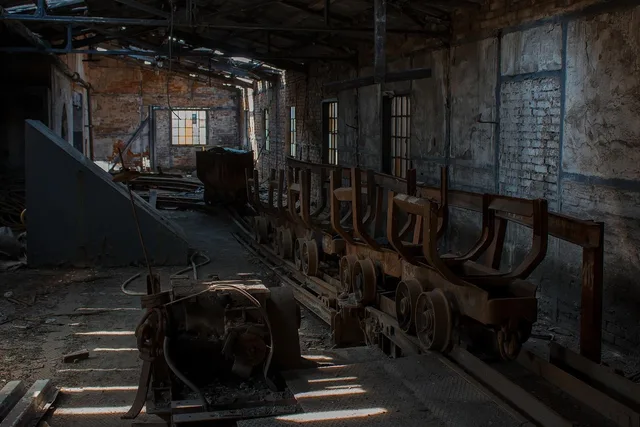
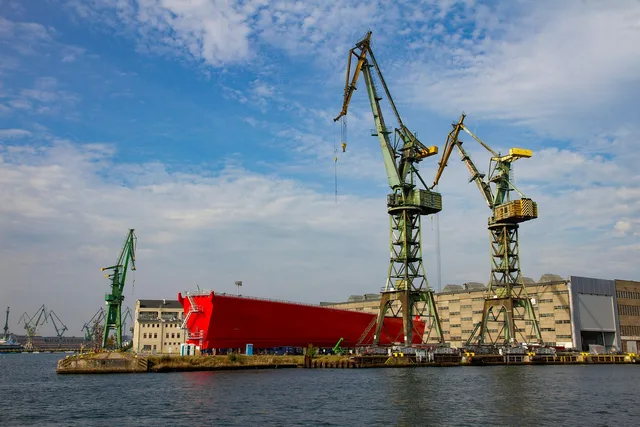
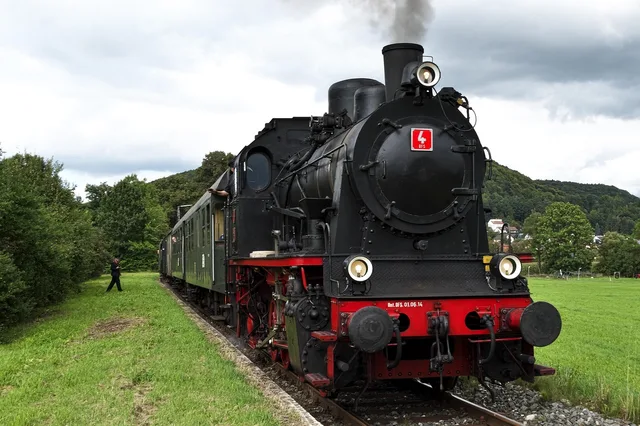
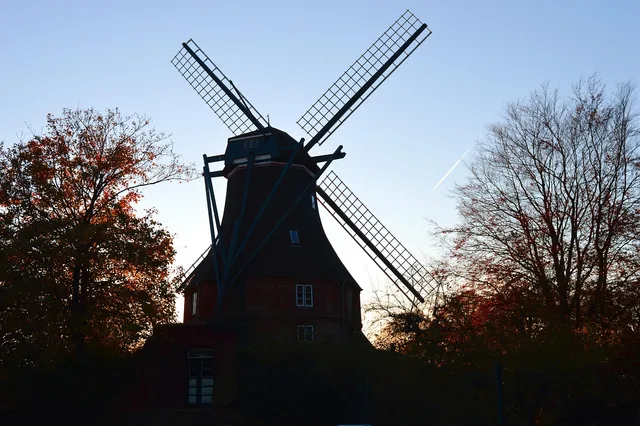
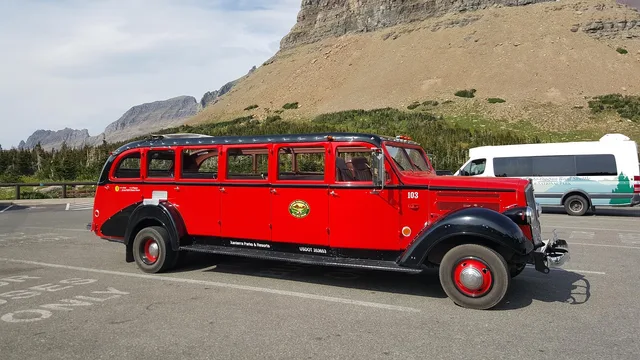
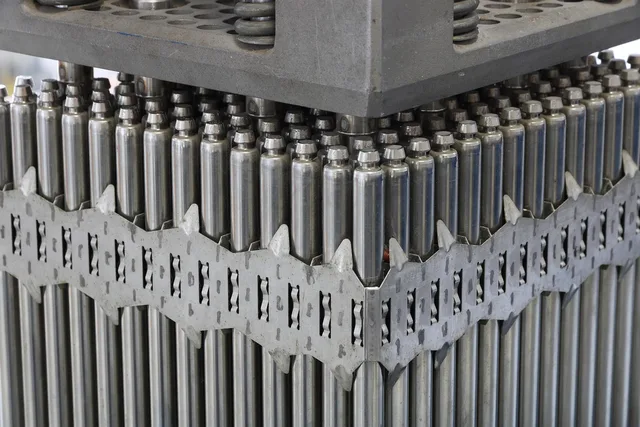
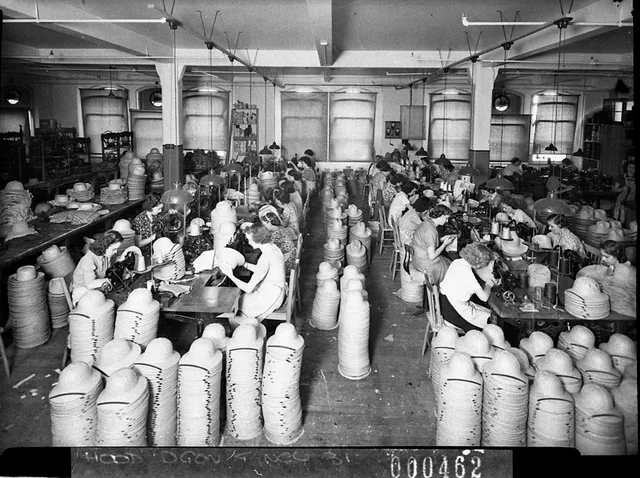
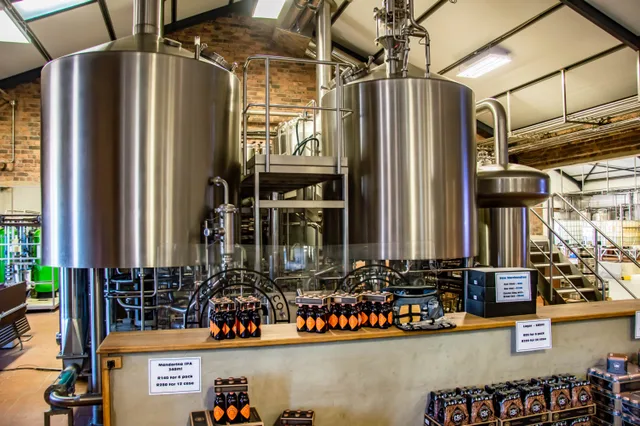
A field method for photographing machinery in industrial museums: three frames per machine, exposure for dim mill interiors, movement, scale, captions and questions.
Most failed factory visits come from treating a working plant like an attraction. Here is why lines stop, why entry rules exist, and a day plan that still works when a tour is refused.
A factory tours itinerary for two days on one process: Saugus or Hopewell iron first, then a working plant, or Pawtucket's Slater Mill and Lowell's looms.
A working factory visits itinerary pairing a Cleveland steel mill with the Ford Rouge F-150 line, plus what to look for at the melt shop and on the line.
Questions visitors with access needs can ask before a working factory tour, covering the safety briefing, floor routes, facilities and protective equipment.
Plant shutdowns cluster in July and late December. Here is how those windows, harvest seasons and booking lead times shape when to plan a factory tour.
Industrial heritage sites run on different calendars. Published 2026 seasons for Saugus, Steamtown, Lowell and Old Slater Mill show how to time a trip, plus heat, flood and air checks.
Factory tours cost more than admission alone. This guide breaks down travel, lodging, meals, parking and other budget lines, with estimates where provided.
Without a tour company, access to working plants comes through site docents, Manufacturing Day events, MEP centers, training providers and business advisers. Where to ask and what to write.
How to plan factory tours without rushing the trip: one tour a day, arrive early, and leave the afternoon loose. Plant tours are more physically demanding than they.
Many U.S. industrial heritage parks charge no entry fee, but tours, trains and private museums do. This guide prices real sites and tests whether the national parks pass pays.
Plan industrial heritage trips by booking limited-capacity mine, factory and canal tours first, phoning museums to confirm hours, and reading HABS or HAER records.
What to pack for industrial heritage travel when the site is a cold mine or a hot foundry: layers, a torch, a pencil, some cash and your own ear plugs.
Manufacturing museums options work best as detours that add what the main trip lacks: a different workforce, the raw material, a different era or a corridor.
Questions to ask when booking manufacturing museums in 2027: one question decides whether the visit is worth the drive, will the machinery be running that day.
Fourteen kinds of manufacturing museum worth a trip, the named site that proves each one, and the signs that separate a working plant from a display case.
What a well-planned factory tours weekend costs, as a template for any two plants: driving at the GSA rate first, then nights, food, tickets and a reserve.