Rules
Part of Realistic factory tours planning starts with one thing: the days a plant's line runs
Do route, noise and stairs decide how accessible a factory tour really is?
Accessible options for factory tours travelers: a working plant is not a museum, and its access answers differ. Ask about the tour route, the noise and the stairs.
What to take away
- Ask about the tour route, not the building. A plant can be accessible and the route still involve four flights.
- Noise is an access issue here rather than a comfort issue. Ask whether the guide uses an amplification system.
- Visitor centers attached to plants are usually straightforward. The production floor rarely is.
- Sensory load is realheat, smell, vibration and unpredictable sound.
Factory tours raise access questions that museums do not, because the space was designed for production and the route was designed around the process.
Good operators know exactly what their tour involves and will tell you in detail. The vague ones have not thought about it, and the vagueness is itself the answer.
Ask about the route, not the site
A plant with level entry, lifts and accessible restrooms can still run a tour that crosses a mezzanine by stair, because that is where you see the line.
Route questions to ask
- Total distance walked
- Number of steps, alternative route
- Standing time at each stop
- Seating anywhere on route
- Even floor surface
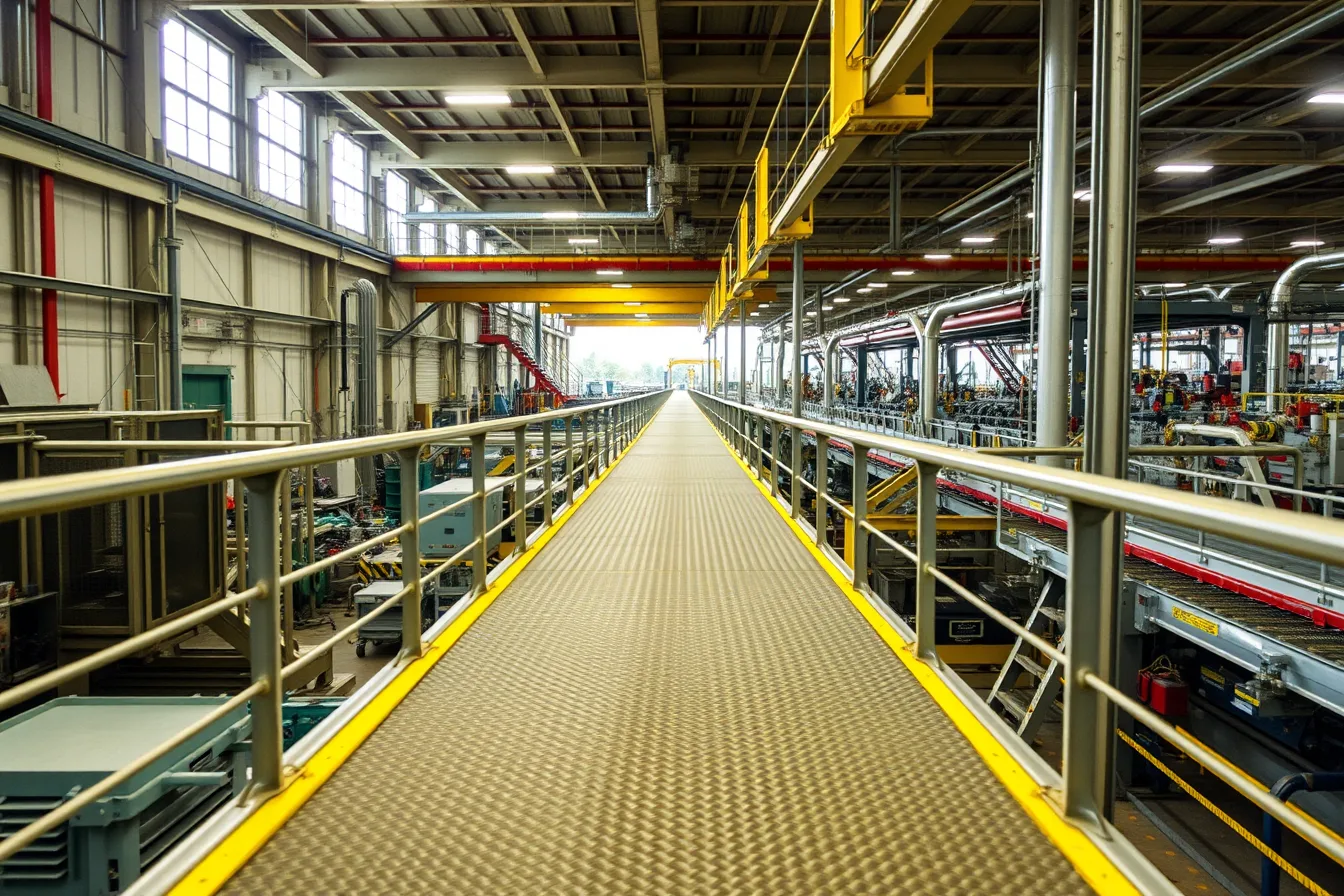
- Raised walkway with open grating
Ask also whether any part of the route runs on a raised walkway with open grating, which some visitors find difficult regardless of mobility.
Noise and communication
Production noise makes a guide hard to hear, and in a loud plant it makes lip reading impossible, because everybody is wearing hearing protection.
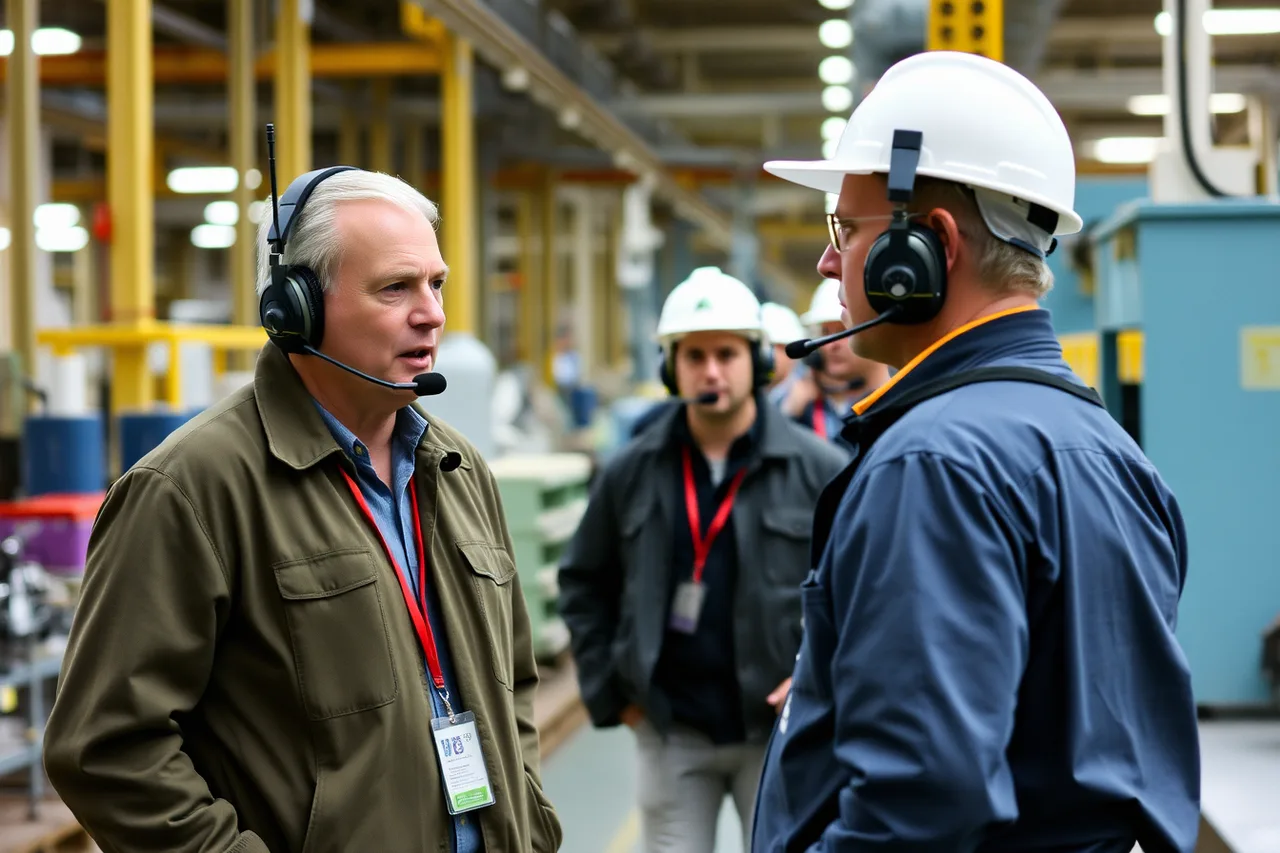
Ask whether the tour uses a radio system with headsets. Many do, and where they do it transforms the experience for anybody with hearing loss. Ask also whether a written route summary exists, which good operators produce for exactly this reason.
Signage inside plants is functional rather than designed, and the Access Board's guide to signs under the ADA standards covers what is required for permanent identification and direction. It is a fair benchmark for the visitor areas of a plant, even where the production floor is another matter.
What the law covers, roughly
Knowing the shape of the obligation helps you ask better questions rather than argue on the doorstep.
The Department of Justice's introduction to the ADA sets out where the requirements apply, including to businesses open to the public. A factory's visitor center and public tour sit closer to that than its production floor does, and safety requirements can legitimately constrain what any visitor does beside a working line.
The practical result: expect the visitor areas to accommodate you, expect genuine constraints on the floor, and ask what alternative is offered where the route cannot be adapted.
Sensory considerations
Beyond noise there is heat near furnaces and ovens, strong smells in food and paper plants, vibration from heavy machinery, and sudden sounds nobody warns you about.
For a visitor who finds that difficult, ask for a quiet time slot, ask whether you can step out mid-tour, and establish where the exit is before starting.
The alternatives worth asking about
- A visitor center with process displays, where the plant has one
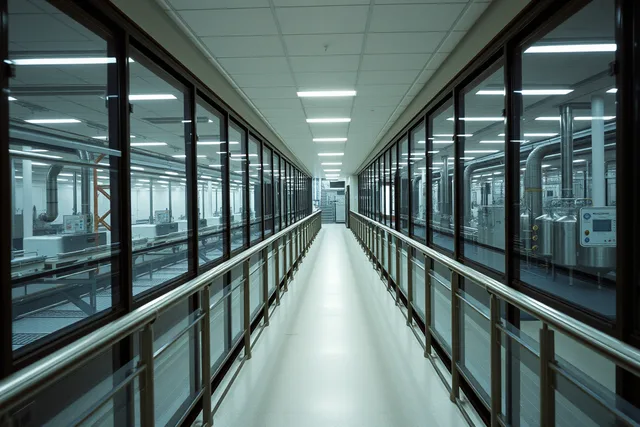
- A viewing gallery over the floor, common in food and beverage plants
- A video of the process, which many plants show anyway
- A seated conversation with somebody from production, frequently the best part of the day
None of these is a consolation prize. Half an hour with a process engineer beats a walk past machines you cannot hear being explained.
Before booking
Telephone. Describe what you need rather than asking whether the tour is accessible, and ask for specifics in return.
The rest of the practical planning is in the realistic plan for factory tours, and choosing a base for the trip matters here, because these plants sit in industrial districts rather than town centers.