Guides
Part of Realistic factory tours planning starts with one thing: the days a plant's line runs
Factory tours itineraries work best on one pairing: a plant and its historic twin
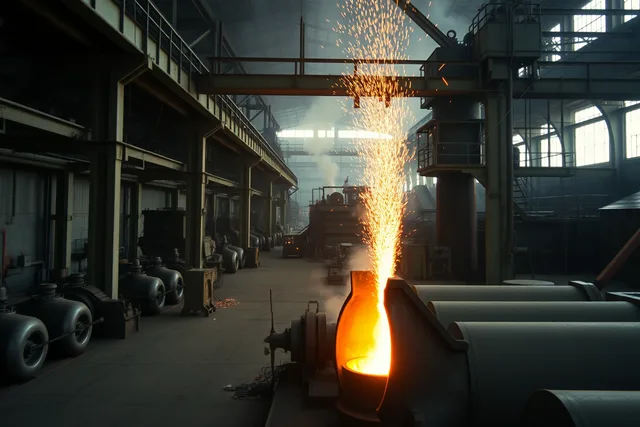
Two-day itinerary built around factory tours: pair a working plant with the historic version of the same process. Seeing iron made twice, three centuries apart.
What to take away
- Build the two days around one process seen twiceonce historically, once in production.
- Put the working tour on day two, once you know what you are looking at.
- One tour per day plus one site. Two plant tours in a day is too much standing and too much noise.
- Keep an indoor fallback in each town. Plant tours cancel at short notice.
The strongest two-day industrial trip is not two factories. It is the same process at two points in its history, which turns a pleasant visit into an argument you can follow.
Iron and steel is the easiest version to arrange, because the historic sites are well interpreted and modern metalworking exists nearly everywhere.
Day one: the historic version
Start with the process at its origin, where it is slow enough to see.
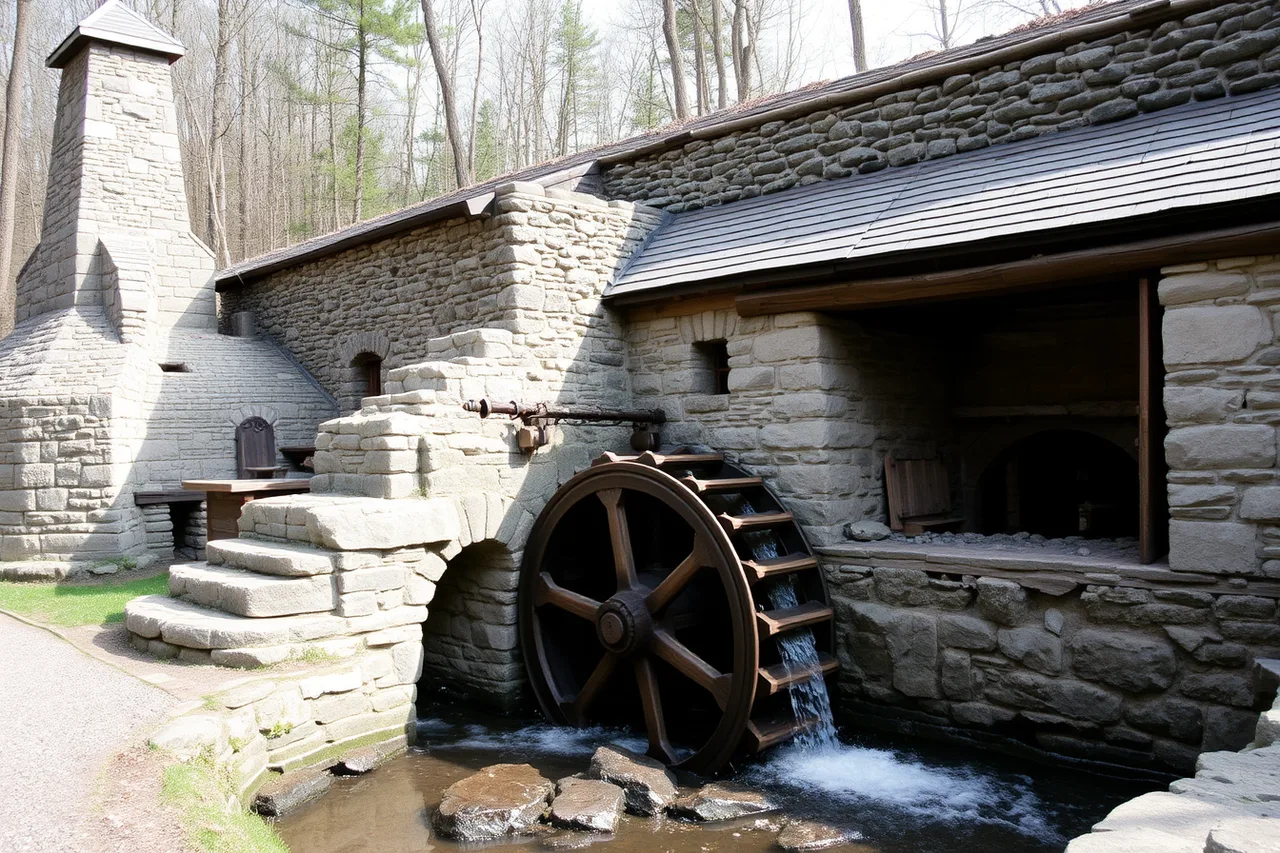
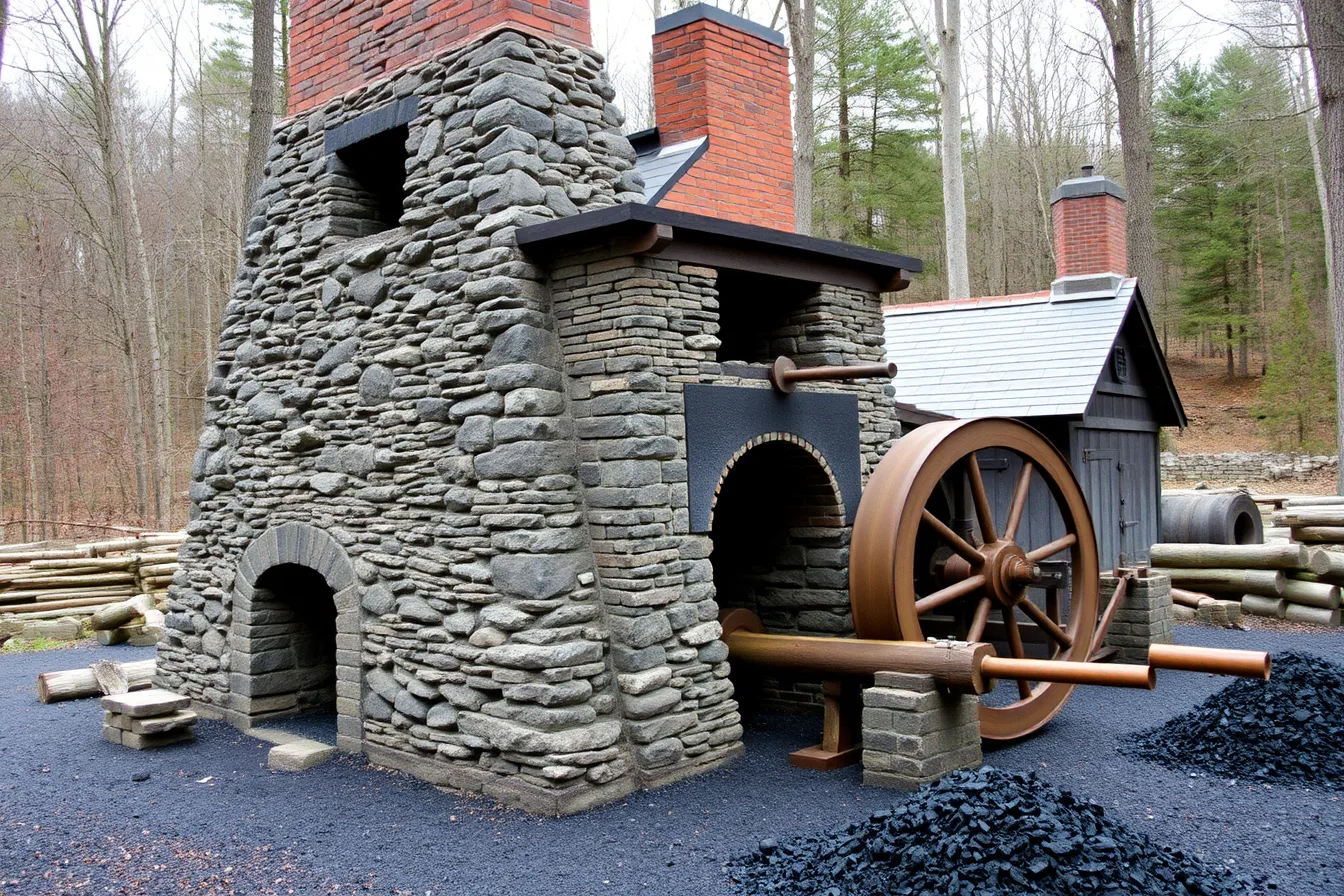
Saugus in Massachusetts is the clearest surviving example of early American ironmaking, and the site's history covers the furnace, forge and rolling mill of a seventeenth-century works, reconstructed on its original ground with the water power that drove it.
What to look for: where the raw material entered, how power reached the machinery, and where the waste went. Those three questions apply unchanged to a plant built in 2015.
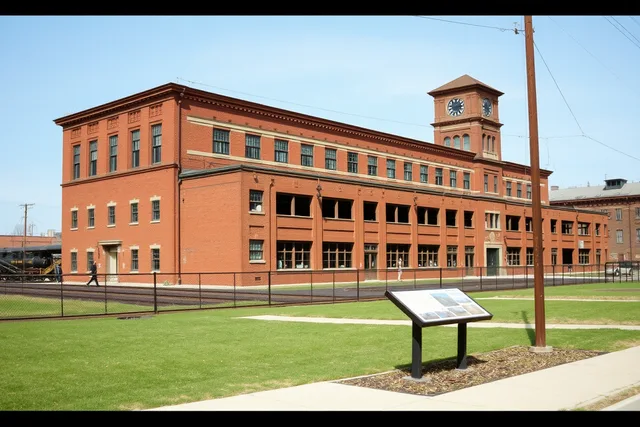
Afternoon. Add a second historic site if one is close, or walk the town that grew around the works. Company housing, the water course, the transport route.
Evening. Read the next day's plant. Know what they make and roughly how, so your questions are worth their time.
Day one alternative: a furnace in open country
Where an early works stands in farmland rather than a town, the setting is half the subject.
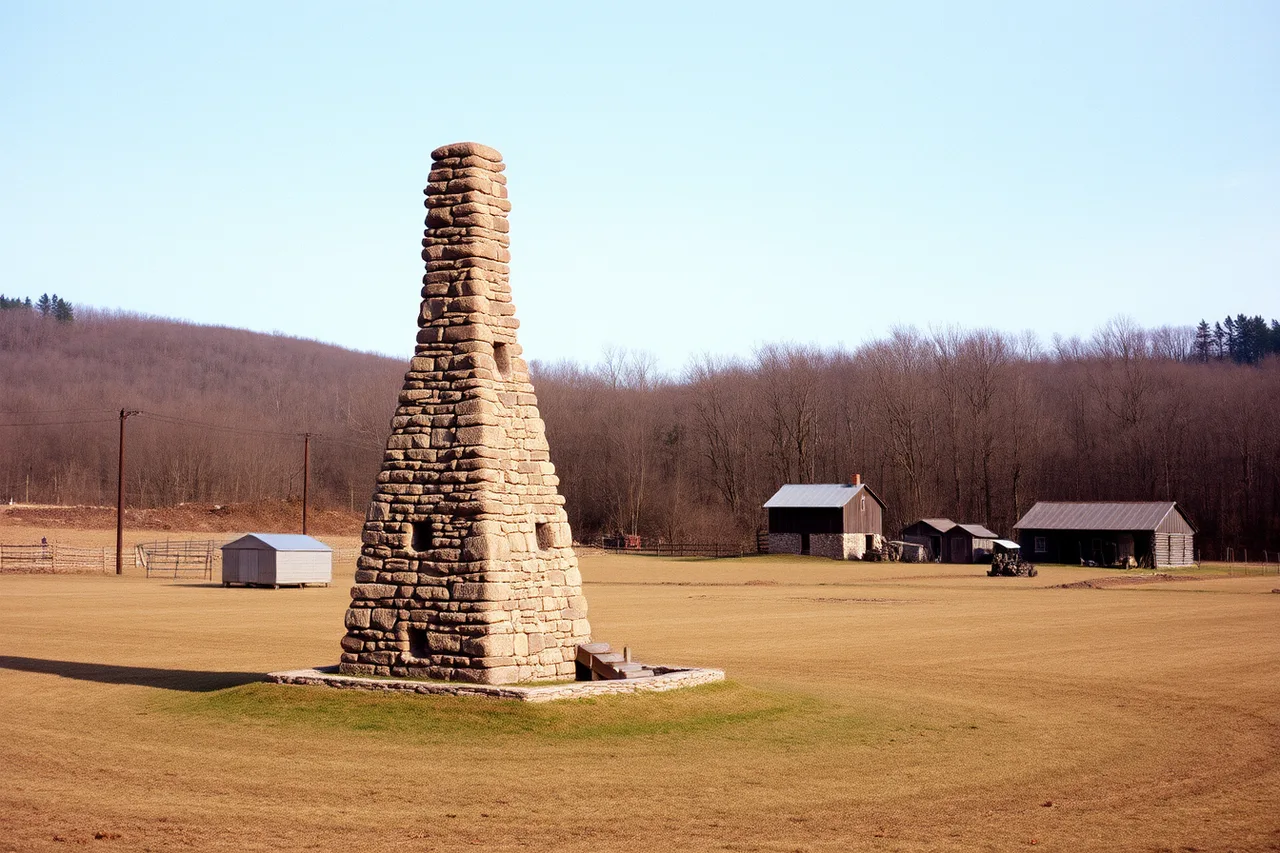
Hopewell Furnace in Pennsylvania is the example, and its history describes a rural iron plantation: the furnace, the workers' village, the charcoal woods and the farm that supported it all.
That version is better for understanding the economics. The Saugus version is better for understanding the machinery.
Day two: the working plant
Morning, on the tour you booked weeks ago.
Watch for the same three things. Raw material in, power to the machines, waste out. Then ask the one question that makes the trip cohere: what part of this process has not changed since the furnace you saw yesterday?
The answer is usually more than people expect, and the guides enjoy the question.
Afternoon. A local maker, a trade school workshop, or a small museum. Something at human scale after the noise of the plant.
The shape
Day one
- Morning
- Historic site, guided if possible
- Midday
- Lunch in the town, not on the highway
- Afternoon
- Second site or the company town
- Evening
- Read up on tomorrow's plant
Day two
- Morning
- Working plant tour
- Midday
- Decompress. Plant tours are tiring
- Afternoon
- Small maker or museum
- Evening
- Write up what you saw
Practical notes
Two plant tours in one day is a mistake. The standing, the noise and the concentration are more tiring than they sound.
Keep an indoor fallback in each town, because production comes first and tours get canceled with little notice.
Book the plant first and everything else around it, exactly as set out in the realistic plan, and use the contacts described in how to find local guides to find the working half of the pairing.
Variations by process
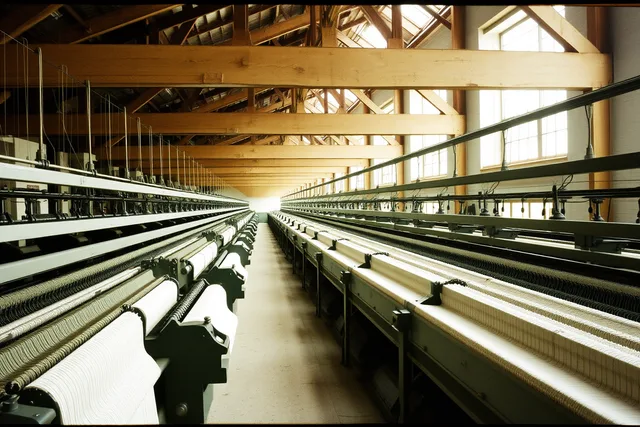
Textiles. A preserved mill with running looms, then a modern textile or apparel plant.
Food. A historic mill or brewery, then a working bakery or dairy. The easiest tours to arrange and the best for children.
Paper. A historic paper mill site, then a working mill, which is among the most impressive tours available anywhere.
Rail. A restoration shop, then an operating maintenance facility.