Guides
Factory trail case studies packing list: one bag, three stops
Factory trail case studies packing list: one bag for an archive reading room, a working plant floor and a quarry viewpoint, with pencils and ear plugs.
What to take away
- A trail day crosses three environmentsan archive or museum reading room, a working site, and open ground. Pack once for all three.
- Reading rooms such as the National Archives' ban pens and most bags. Pencils and a clear folder solve it.
- Ear protection travels everywhere on a trail, because you cannot predict which stop is loud.
- A flashlight matters more than you expect, in mill interiors and at dusk on outdoor stops.
Trails are the hardest industrial trip to pack for, because a single day can include a reading room, a plant floor and a windy embankment above a quarry.
A factory trail case studies packing list that actually works has to cover all three of those stops.
One bag can do all three if it is built deliberately.
Three stops, by name
A trail day crosses three kinds of stop, and each kind has names attached — these are the case studies the bag is built around. An archive stop: the research library at the Hagley Museum and Library in Wilmington, Delaware. A working stop: the Carrie Blast Furnaces in Rankin, Pennsylvania, where Rivers of Steel runs guided tours of the ironworks. An outdoor stop: a lock on the Blackstone Canal in the Blackstone River Valley National Historical Park.
What changes from stop to stop is the rule, not the bag. Reading rooms, including the National Archives research rooms, run on no pens and a locker for anything bigger than a folder. Working sites run on closed-toe shoes, long pants, photo identification and hearing protection. Open ground runs on layers, a hat and boots.
The archive layer
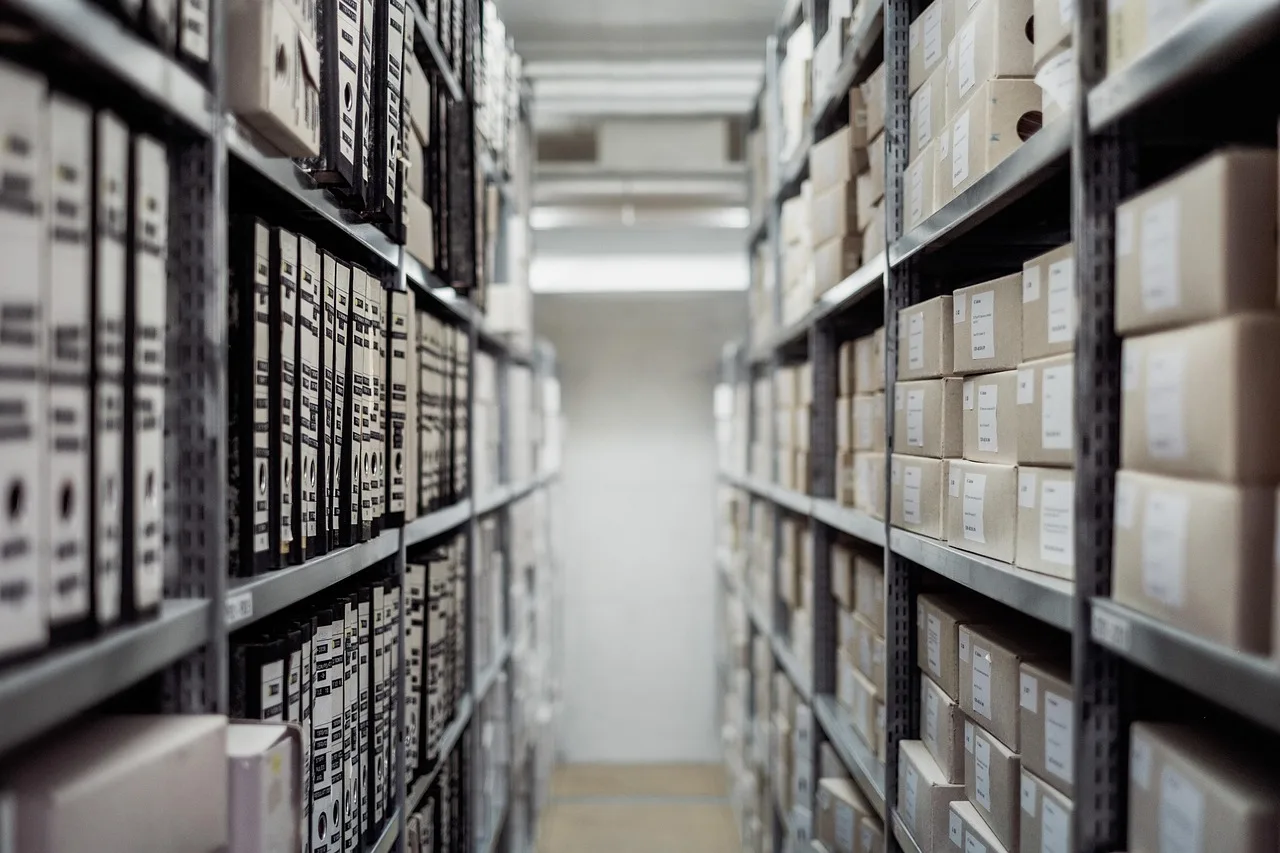
Reading rooms have rules, and in the United States they follow one pattern: no pens, no large bags, no food, and usually a locker for everything except your notes and a laptop. The National Archives and Records Administration sets that pattern in its own research rooms, and state historical societies and mill-town archives generally follow it.
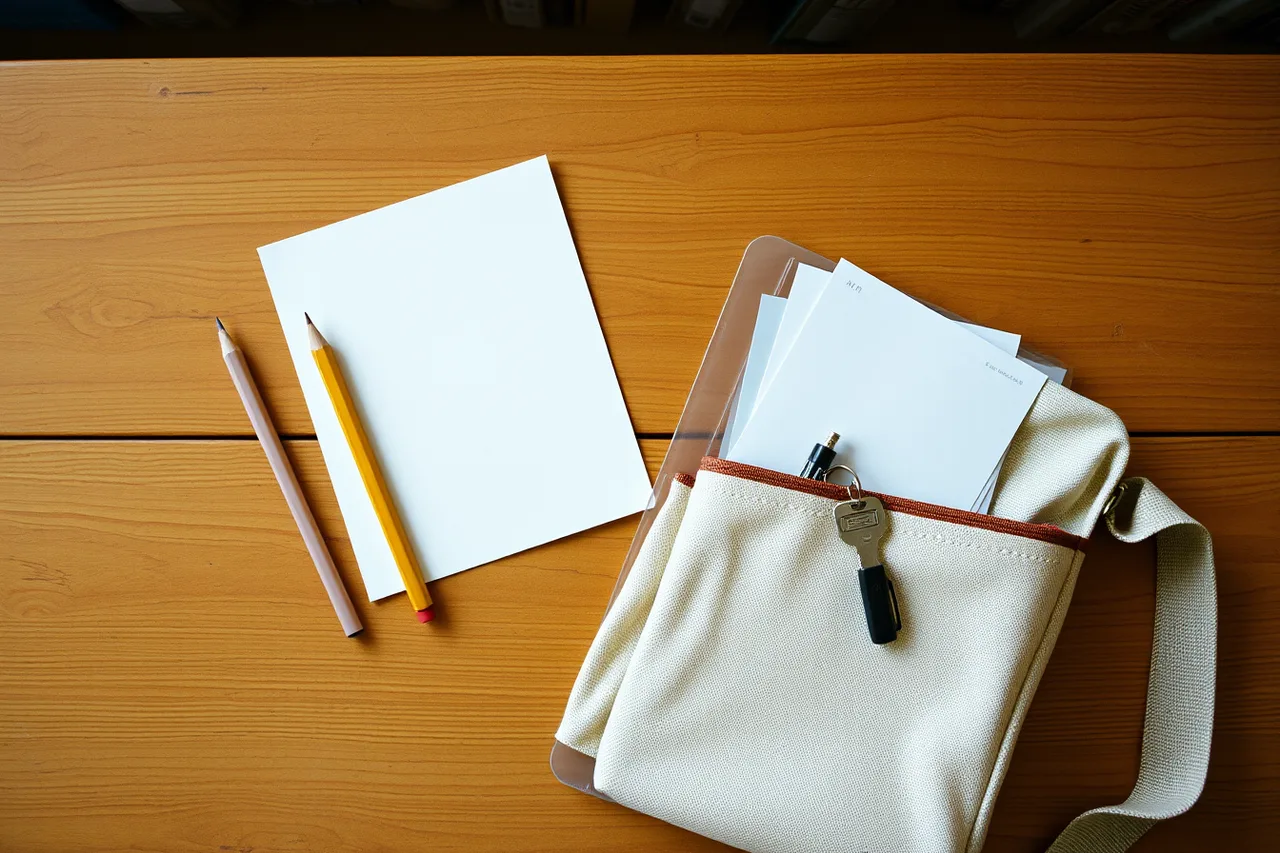
So: pencils, a clear folder, and a small bag that fits a locker. Ordering material in advance saves hours, and requesting copies is a separate process worth understanding before you arrive.
The plant layer
Closed-toe shoes with a solid sole, long pants, nothing loose, photo identification, and ear plugs. The photo ID a gate wants is government-issued: a driver's license, a state ID card, or a passport.
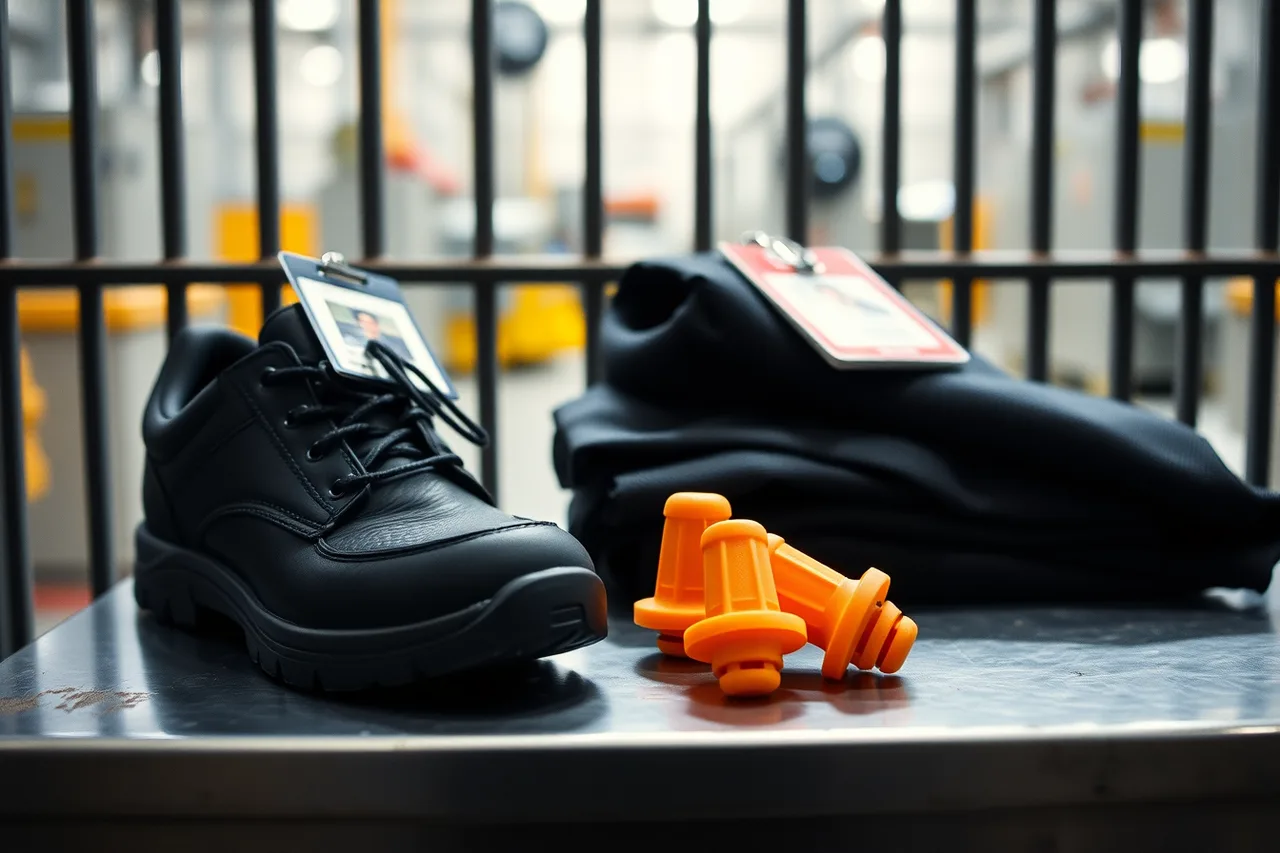
That set covers the standard requirements at most working sites, and none of it is a problem in a reading room.
The outdoor layer
Trails include stops with no facilities: a canal lock, a bridge, a viewpoint, a tailings field.
Wind and exposure are the usual problem rather than distance. Layers, a hat, water, and boots that cope with gravel and mud.
Ear protection, everywhere
You cannot predict which stop is loud. A quiet museum has a working engine day; a small workshop is louder than a large plant.
Sound is a real dimension of these places rather than an inconvenience, and the National Park Service's soundscape work treats acoustic conditions as part of what a site is. On a trail that cuts both ways: hearing a mill run is part of understanding it, and protecting your hearing while you do is sensible.
In the United States, workplace noise is covered by OSHA's occupational noise standard (29 CFR 1910.95), which is why plants with loud floors require hearing protection and often hand out plugs or muffs at the gate. Your own plugs mean you are not depending on the site's supply.
Two pairs of plugs per person, in the bag, permanently.
The flashlight, and the evening
A flashlight earns its place twice: in dim mill interiors where the lighting is original, and outdoors at dusk.
The dusk part is worth planning for. Industrial sites read very differently in low light, and the Park Service's night skies program is a reminder of how much artificial light shapes what you see after dark, which in an industrial corridor means lit stacks, floodlit yards and the glow over a plant that runs at night.
A late stop at a working site is frequently the best twenty minutes of a trail day.
The whole bag
- Pencils, notebook, clear folder
- Photo identification
- Closed-toe shoes with a solid sole, plus a spare pair in the car
- Long pants, layers, hat
- Ear plugs, two pairs per person
- Small flashlight
- Water and something to eat, since stops are between towns
- Camera or phone, plus a power bank
- A car kit, because trails run on minor roads
What to leave
Large bags, tripods where they are not allowed, drones, and anything that cannot be locked in a car.
The bag itself does not change from day to day; how much of the outdoor layer you carry does. What the days themselves look like is set out in the planning steps, and the seasonal question in best seasons for a trail decides how much of that layer you actually need.