Features
Part of Fourteen kinds of manufacturing museums are worth building a whole trip around
Manufacturing museums defeat automatic exposure: shoot three frames per machine
Photographer's field list for manufacturing museums: industrial interiors defeat automatic exposure, dark walls, bright windows, moving machinery.
What to take away
- Photograph each machine three wayswhole, working end, and maker's plate. The plate identifies it forever.
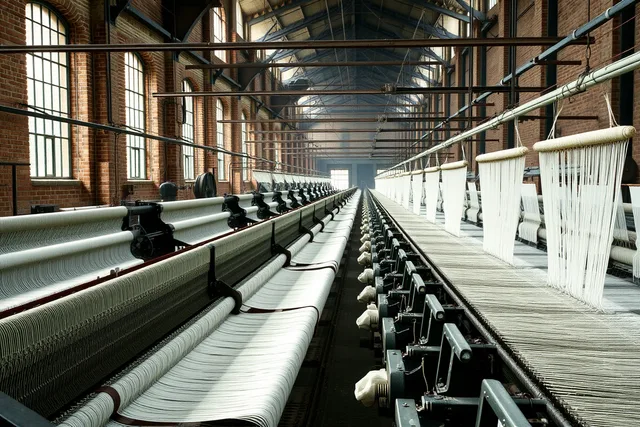
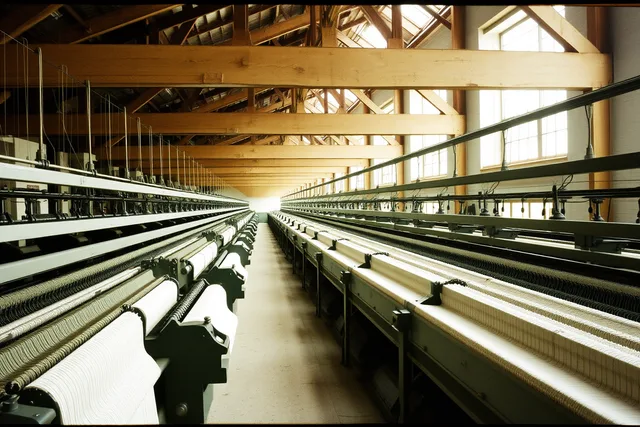
- Mill interiors are dark with bright windows. Expose for the machinery and let the windows go.
- Show scale by including a person or a doorway. Machines photograph as abstractions otherwise.
- Ask before photographing volunteers, and always credit them if you publish.
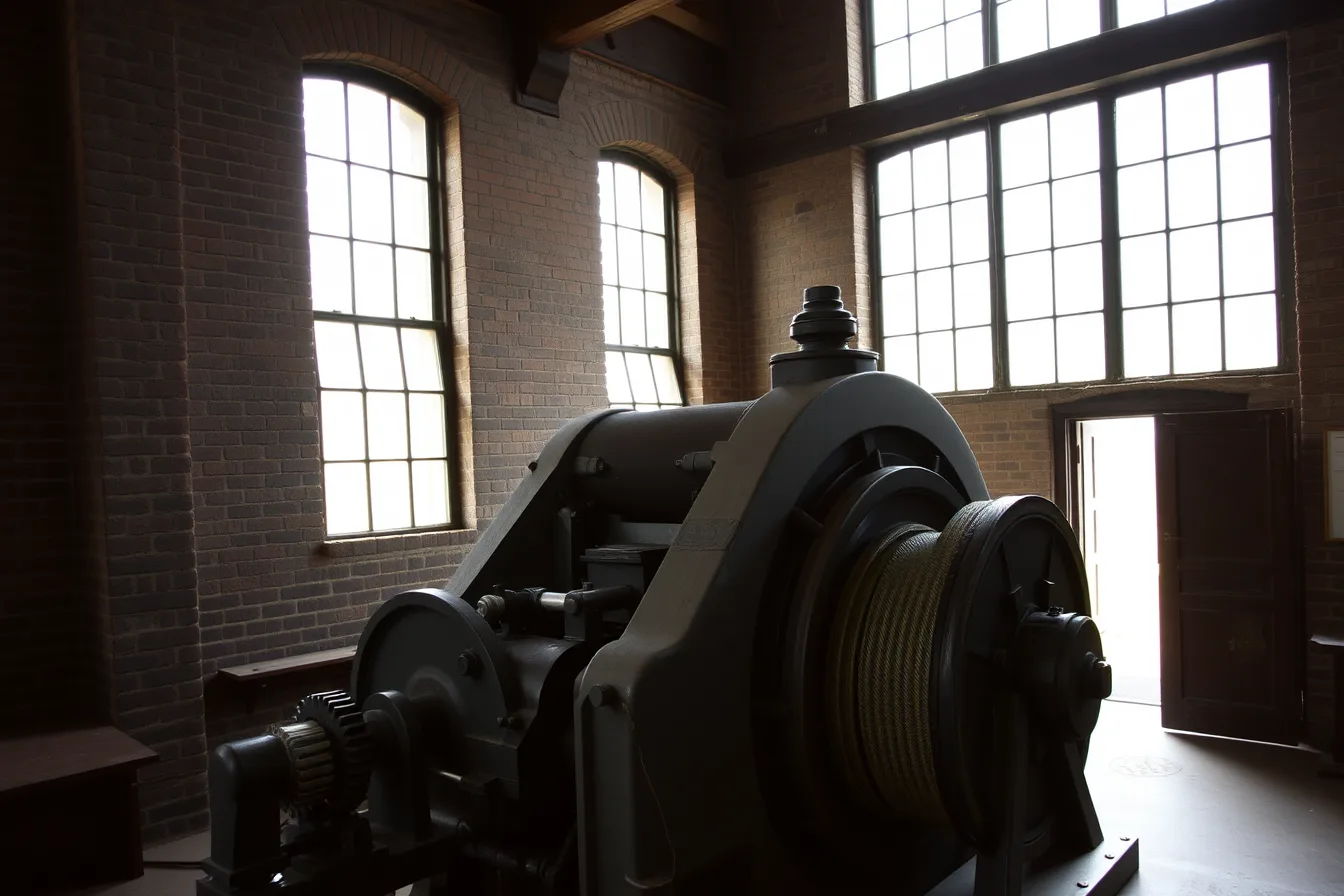
Industrial museums are difficult to photograph well and easy to photograph badly. The building is dim, the windows are blinding, and the subject is a complicated gray object in a room of other complicated gray objects.
A repeatable sequence solves most of it.
The three frames per machine
Whole machine, square on. Establishes what it is and how big it is.
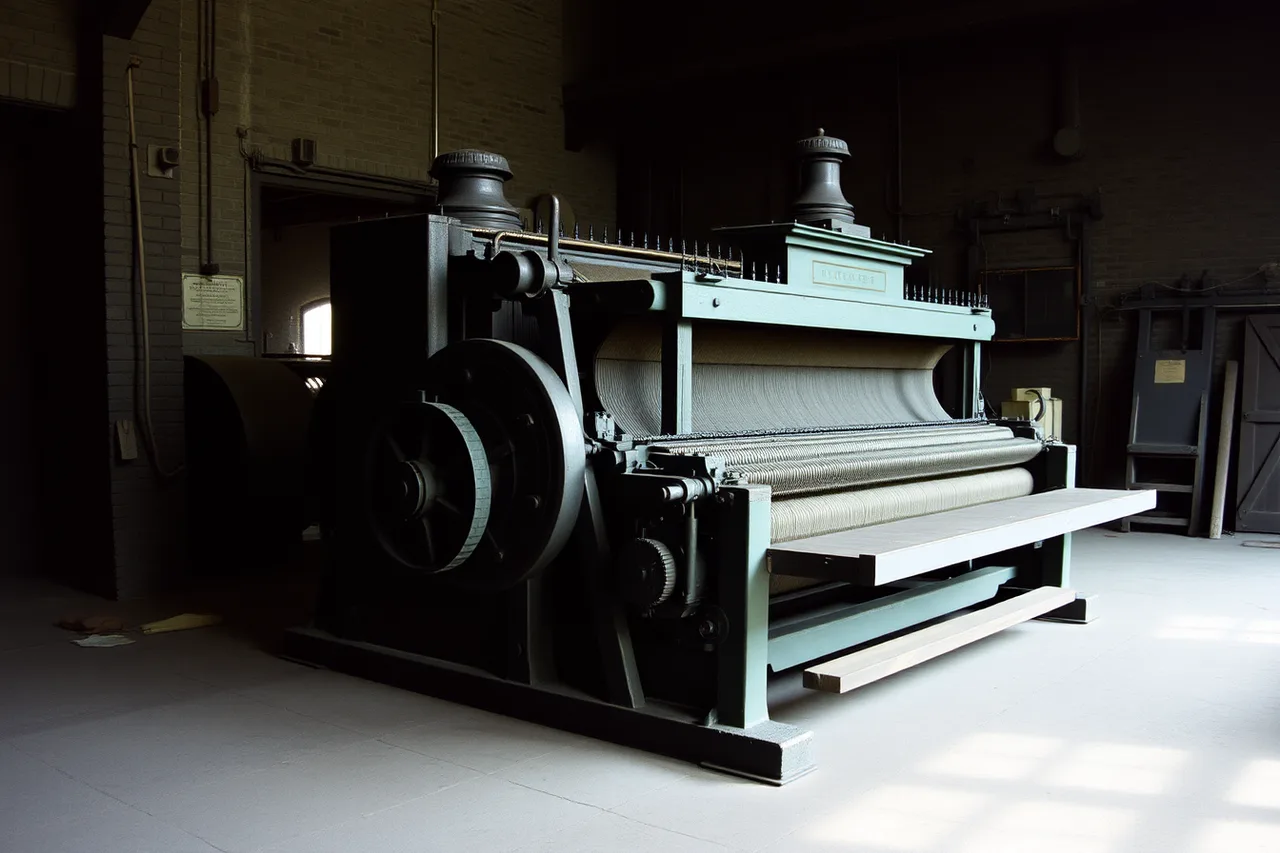
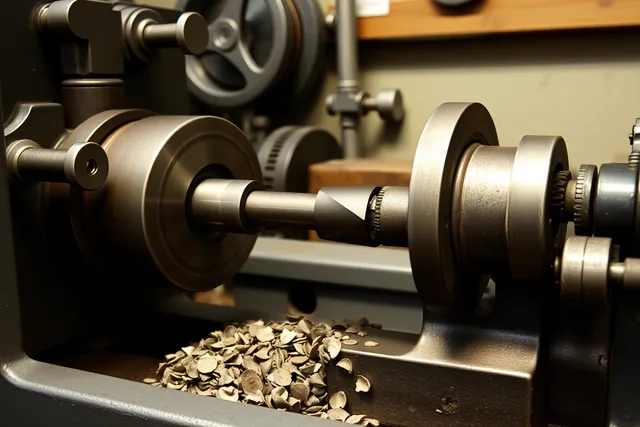
The working end. Where the material is actually cut, spun, pressed or woven. This is the frame that shows what the machine does.
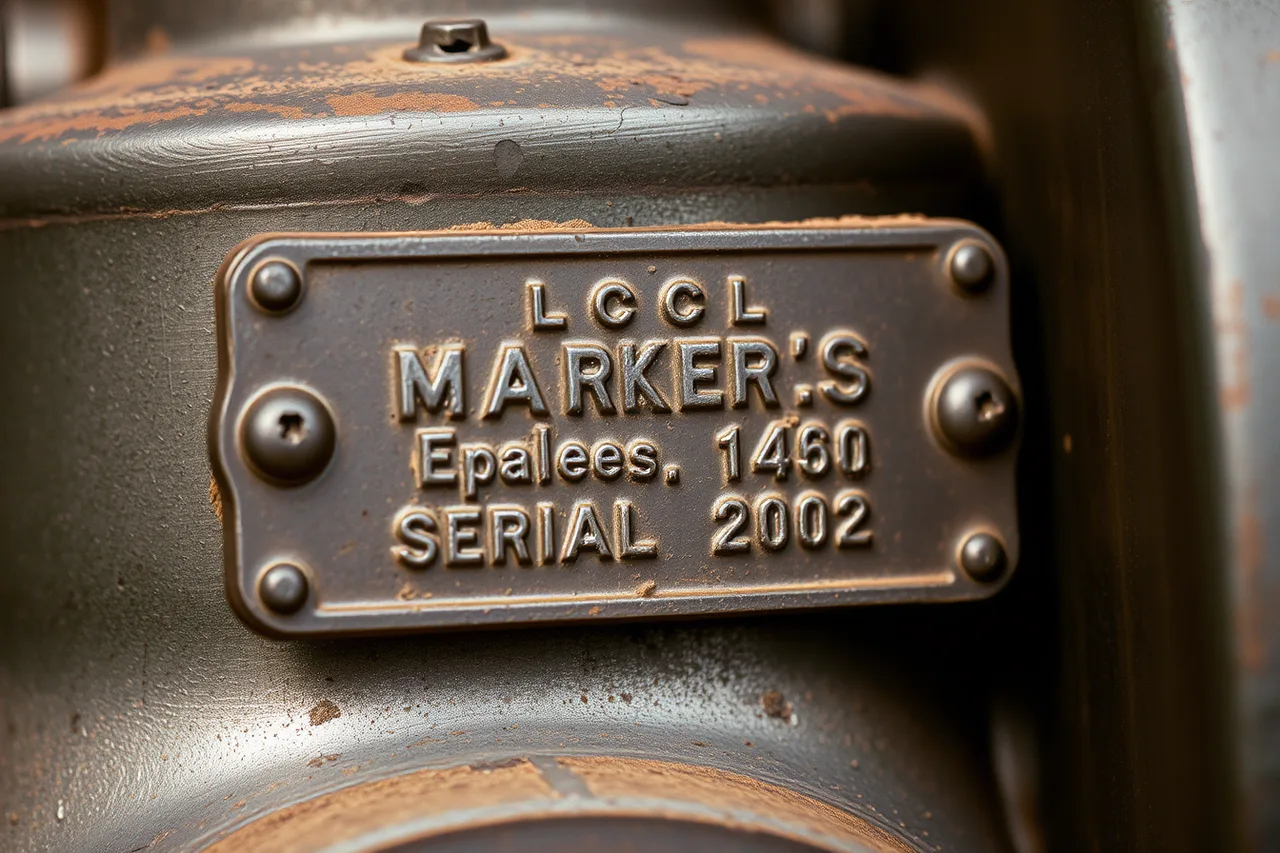
The maker's plate. Name, place, date, serial number. Two seconds, and it is what lets anybody identify the machine later.
That third frame is the one visitors skip and the one that turns a photograph into a record.
Follow the documentation standard
There is an established way of recording historic structures photographically, and the reasoning behind it is useful even with a phone.
The Historic American Buildings Survey has produced large-format documentation of American buildings since 1933, and the program's pages explain the approach: systematic coverage, level verticals, sharp detail and captions that identify what is shown.
The transferable rules are simple. Keep the camera level. Cover the whole subject systematically rather than picking highlights. Write down what each frame shows.
Light in a mill
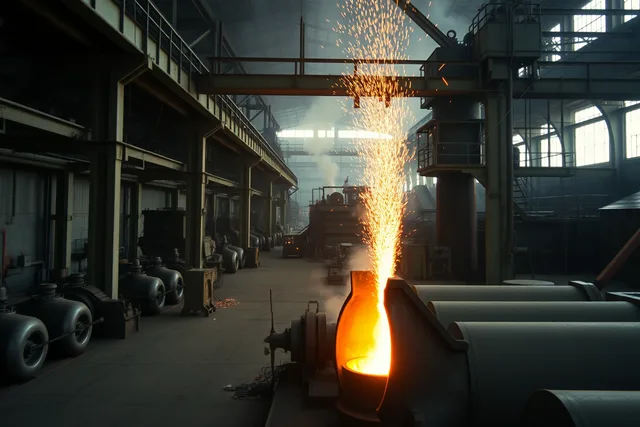
Old industrial buildings were built for daylight, which means large windows and dark interiors, and that combination defeats an automatic meter.
Expose for the machinery. The windows will burn out and that is correct: the alternative is a correctly exposed window in front of an unreadable machine.
Turn the flash off. It flattens texture and annoys everybody. Raise the sensitivity instead and accept some noise, or brace the camera against something solid.
Movement
Running machinery is the reason to be there and the hardest thing to photograph.
Take both: a fast shutter that freezes the mechanism, and a slow one that shows the blur of what is turning. The second usually communicates better.
Never lean in for a better angle. Stay behind the barrier, and never put a lens through a guard.
The setting matters too
Structures built for movement of goods, particularly canal and rail engineering, are photographically rewarding and frequently overlooked.
The Allegheny Portage Railroad in Pennsylvania is a good example of engineering as the subject, and its history covers the inclined planes built to carry canal boats over the mountains, which is exactly the sort of structure that reads better in a photograph than in a description.
People
Ask before photographing volunteers or staff. Most say yes and enjoy it.
Include somebody in at least one frame per machine, because scale is otherwise impossible to read. A person beside a loom is the difference between a diagram and a fact.
If you publish, name the volunteer and the museum. It is the currency these places run on.
Captions
Machine, maker, date, museum, what it was doing, and the date you were there. Written the same day, not from memory a month later.
Which museums reward this kind of attention is set out in the shortlist of types, and what to ask before booking decides whether the machines will be moving when you arrive.