Features
Fourteen kinds of manufacturing museums are worth building a whole trip around
Fourteen kinds of manufacturing museum worth a trip, the named site that proves each one, and the signs that separate a working plant from a display case.
What to take away
- The best manufacturing museums run machinery on a published schedule. Ask which days before you book travel.
- A site on its original footprint beats a purpose-built gallery, because the building itself is the evidence.
- One industry per trip is enough. Two textile mills in a week teach less than a mill, a machine shop and a labor museum.
- A museum that explains products instead of processes is an hour, not an afternoon.
- Working plants and their preserved twins are different visits. Check which one you are booking.
Naming individual museums dates fast: they close, they refit, they lose their volunteers. What holds up is knowing which fourteen kinds repay a trip, and which named site proves each one.
The fourteen, with a site that proves each
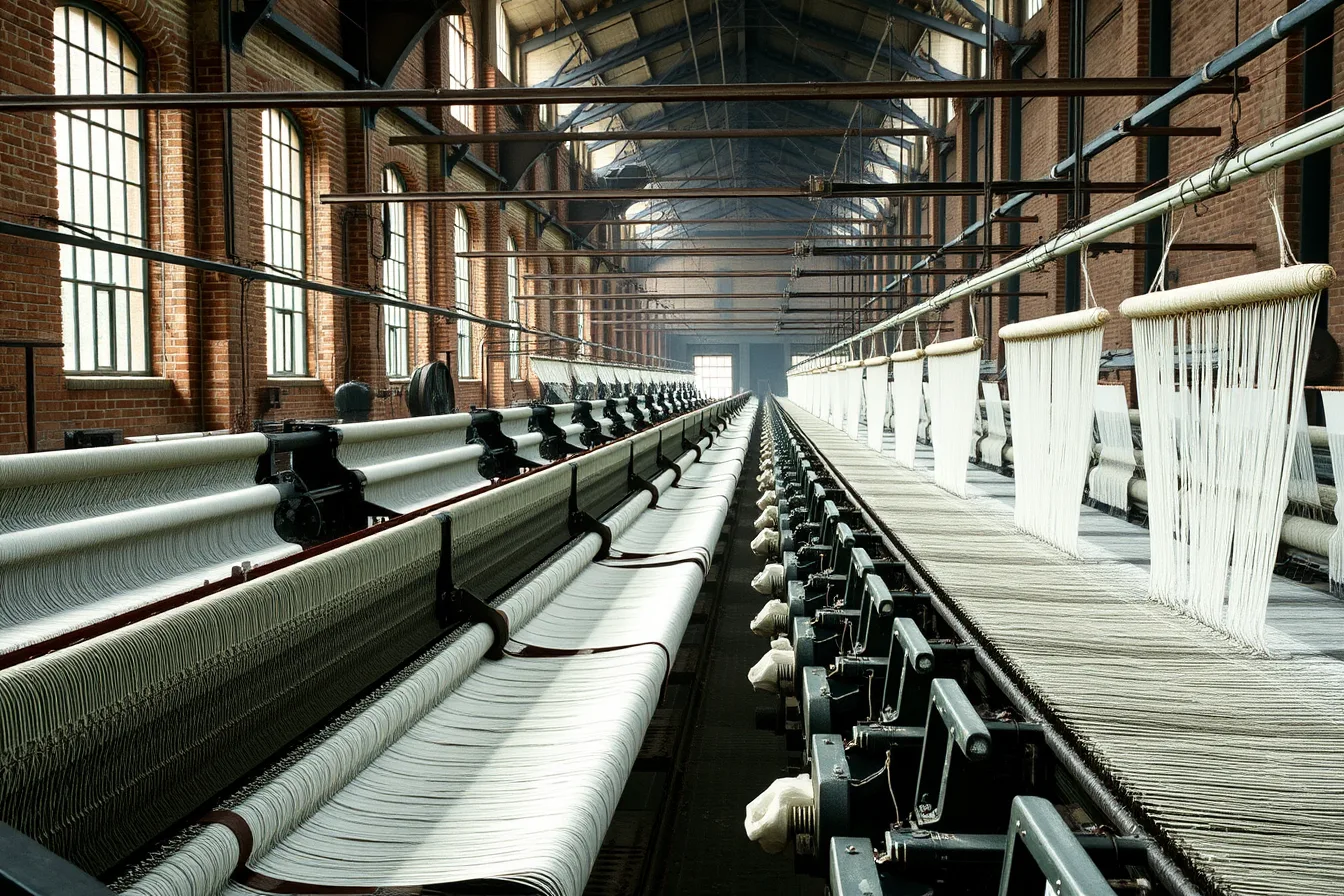
1. A textile mill with running looms. Boott Cotton Mills Museum, Lowell, Massachusetts. The weave room runs, and it is loud in a way no photograph carries. Check the posted demonstration times the week you travel.
2. An early ironworks on its own site. Saugus Iron Works, Massachusetts. Water wheel, furnace and forge in the arrangement that made them work. Forge demonstrations are seasonal, so check the park calendar first.
3. A rail works or roundhouse. Steamtown, Scranton, Pennsylvania. The yard, the locomotive shops and the work of keeping steam machinery alive are covered in its history. Shop work happens on weekdays and train rides follow a published calendar.
4. A purpose-built industrial city. Paterson Great Falls, New Jersey. The raceways, the mills and the industries that followed each other through the same buildings are set out in the story of the Great Falls. Ranger tours run to a posted schedule, so check the park calendar.
5. A mine with an underground tour. Britannia Mine Museum, British Columbia. Extraction as a physical experience rather than a wall diagram. Underground tours leave at fixed times, so book a summer slot.
6. A glassworks with live blowing. Corning Museum of Glass, New York. Craft and industry share a room, and the hot shop runs to a posted schedule. Ask at the desk for the day's demonstration times.
7. A pottery or ceramics works. Wedgwood, Stoke-on-Trent, England. Molds, kilns and repetitive skilled work in intact nineteenth-century buildings. Check the day's demonstration listing before you set out.
8. A brewery or distillery with original plant. Guinness Storehouse, Dublin. Process end to end, and the easiest tour to persuade a mixed group to join. Entry is timed, and weekend slots sell out.
9. A shipyard or maritime industrial site. Harland and Wolff, Belfast. Enormous scale, and a labor history that runs alongside the engineering. Timed tickets apply, and the surrounding docks are open to walk.
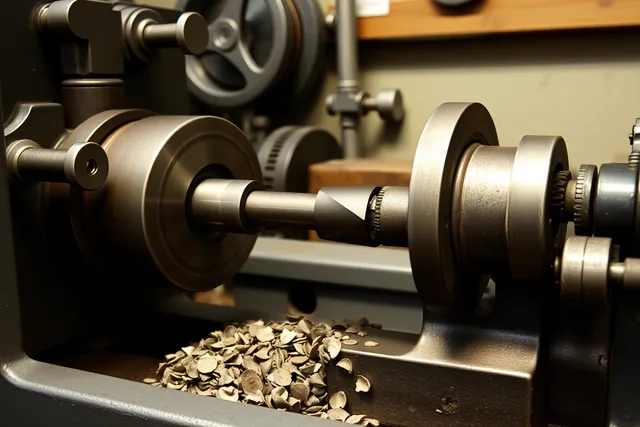
10. A machine tool or armory collection. Springfield Armory, Massachusetts. The least visual and the most important stop, because interchangeable parts came from here. Nothing runs, so check the limited opening days.
11. A power station or pumping station. Kempton Steam Museum, London. Engines kept in working order, run by volunteers on announced dates. It opens only on those days, so check the calendar before booking travel.
12. A single-product factory museum. Sloss Furnaces, Birmingham, Alabama. Pig iron made on one site for decades, narrow and deep. The furnaces are cold now, and visitor hours shift by season.
13. A trade or labor museum. Pullman National Monument, Chicago. The other half of the subject: unions, strikes, safety and wages. Ranger tours run on a posted schedule.
14. A working heritage workshop. The Big Three at Mystic Seaport, Connecticut. Small, volunteer-run, and often the place you get your hands on something. Shipyard demonstrations run daily in season, so check the day's program.
A worked comparison of two visits
Two sites from this list, one that runs machinery and one that does not:
| Boott Cotton Mills Museum, Lowell | Springfield Armory, Massachusetts | |
|---|---|---|
| Machinery | Weave room runs to a posted schedule | None running |
| Access | Self-guided, with staffed demonstrations | Self-guided route |
| Photography | Ask at the desk | Usually permitted |
| Noise and stairs | Real mill conditions | Gallery setting |
| Booking | Check the weave room days first | Any open day |
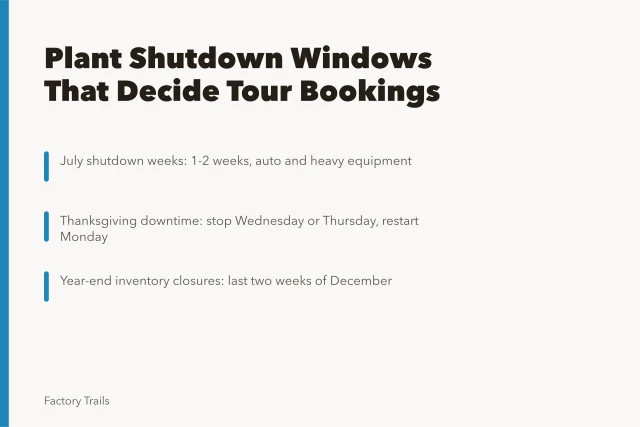
The left column is the better visit and the harder one to arrange. Maintenance windows close sites for July or December, so a tour booked without checking the shutdown calendar is a wasted drive.
How to spot the good ones before going
- Machinery runs on published days, and the site says which.
- The museum sits on the original site, in the original buildings.
- Interpretation names the workforce, not only the founder and the product.
- Volunteers include people who did the work.
- Demonstrations are scheduled, not a video loop.
How to spot the weak ones
A shop larger than the gallery. Product displays with no explanation of how anything was made. A founder's biography as the organizing story. No mention of labor disputes in an industry that certainly had them.
A sample route: Boston to Scranton to Chicago
Lowell and Saugus sit a short drive apart north of Boston, so pair them on the first two days. Scranton, Pennsylvania comes next, a long half day by road, for the locomotive shops. Chicago ends the run, with Pullman and the labor side of the subject.
Typical admission at an independent site runs 15 to 30 US dollars. For a summer date, book two to four weeks ahead, and the few steam days a year go earlier.
Judging the tours attached to those stops is covered in comparing museum tours. The questions that matter most are about demonstration days and shutdown dates, and what to ask before booking sets those out line by line.
Those answers decide whether a visit is worth the drive. Season and maintenance timing sit in planning industrial heritage travel.
Common questions
Are national sites better than independent museums?
Better funded and better interpreted. Independent museums frequently have more machinery running and more knowledgeable volunteers.
How long should I allow?
Two to three hours for a good one, and a full day where machinery runs to a schedule.
Are these suitable for children?
The running-machinery ones, very much. Static collections, less so. Check each site's own visitor rules and accessibility statement before you travel.
What if the region has none of these?
Look for a county historical society with an industrial collection. Almost every manufacturing region has one.
In this guide
- Machine time and materials matter more to manufacturing museums, compared with moneyThese museums run on volunteers and small grants. The most valuable thing a local firm can give is not money: it is machine time, materials and expertise.
- One question decides a manufacturing museums booking: is machinery running that day?Questions to ask when booking manufacturing museums in 2027: one question decides whether the visit is worth the drive, will the machinery be running that day.
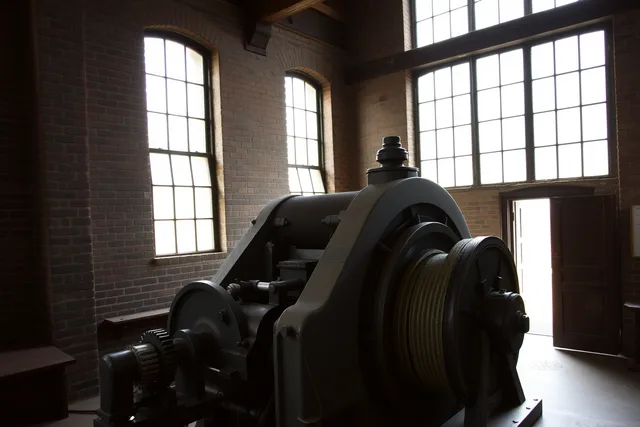
- Manufacturing museums defeat automatic exposure: shoot three frames per machinePhotographer's field list for manufacturing museums: industrial interiors defeat automatic exposure, dark walls, bright windows, moving machinery.
- Running machinery time separates strong manufacturing museums tours from weak onesCompare on two axes only: how many minutes you get in front of running machinery, and whether the guide worked the process or learned the script.
- Manufacturing museums detours work best with one addition: a different era or workforceThe detours worth making add something the main trip lacks: a different industry, a different era, or the workforce rather than the machinery.