Features
Part of Real process shown, compared with polish, is how factory tour experiences should be judged
A photographer's checklist for factory tour experiences starts with permission
Photographer's field list for factory tour experiences: permission first, then the sequence. And know the difference between owning the copyright in a photograph.
What to take away
- Ask at the desk before the tour starts, not at the moment you want the frame.
- You own the copyright in your photograph; that is separate from whether you may publish it commercially.
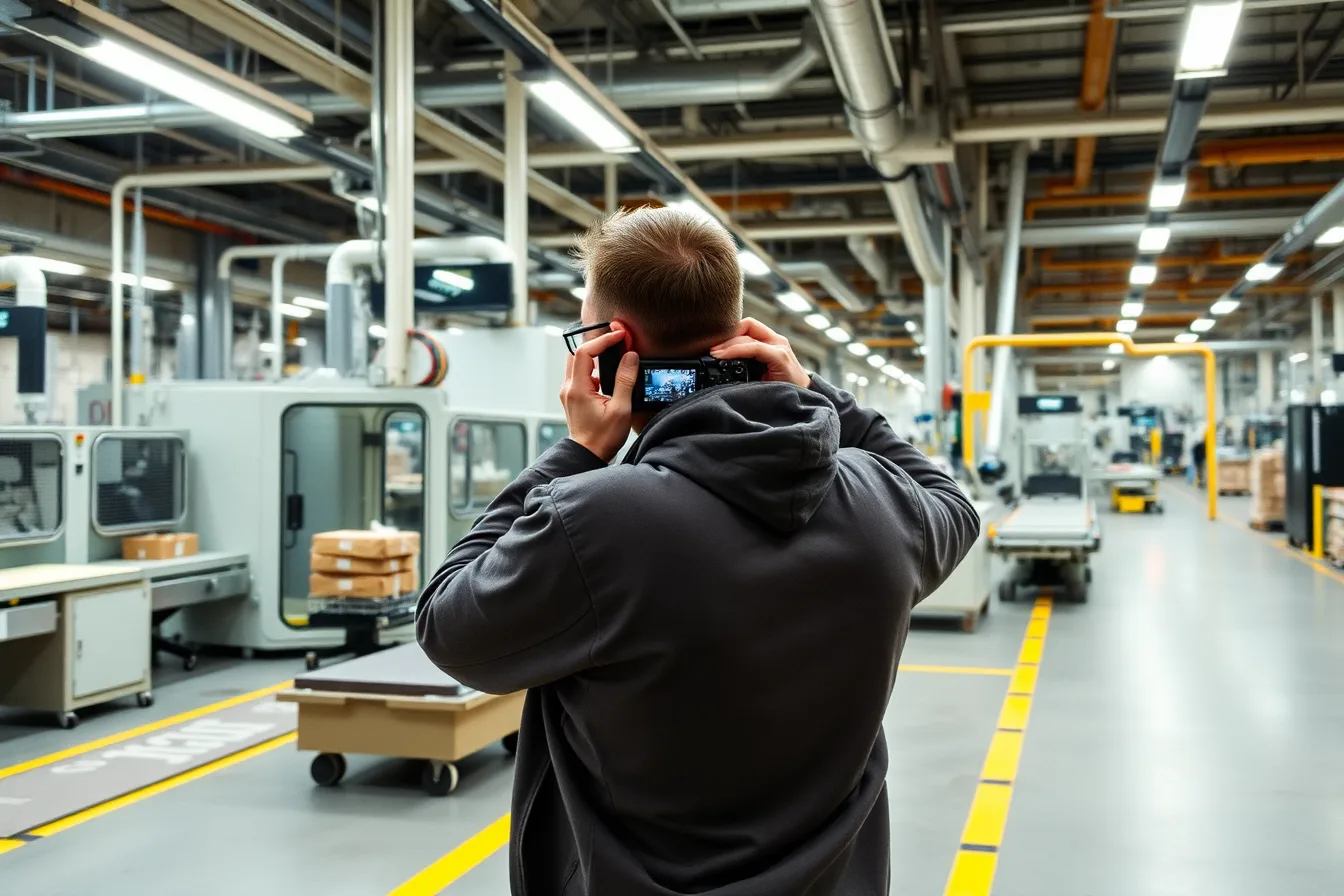
Visitor-center tours are the one part of industrial travel where photography is frequently welcome, and the rules are still worth understanding before you point a camera at somebody's production line.
Ask first, once, properly
Ask at the desk
- May I photograph?
- Is anywhere excluded?
- May I publish what I take?
- May I photograph inside the plant for personal and editorial use?
- Is there any area, machine, screen or board I should leave out?
- May I publish the images, and how should I credit the plant?
Three answers, thirty seconds, and they cover everything. Asking in the middle of the tour puts a guide on the spot and usually produces a no.
Ask at booking whether the tour has a written photography policy, and settle the rest at the desk on arrival so you ask once.
What you own, and what that means
Taking a photograph makes you the author of it, and the basics are set out in the Copyright Office's introduction to copyright, which covers what protection attaches to an original work and when.
Two things that are frequently confused. Owning the copyright in your image does not override a site's conditions of entry, which is a separate agreement you accepted at the door. And a photograph of a product, a logo or a piece of packaging includes somebody else's protected material, which limits what you can do with the image commercially.
For editorial and personal use the position is broader, and the Copyright Office's summary of fair use explains the factors courts weigh in that assessment. Commercial use of a plant's marks is where problems start, and that is a conversation with the company rather than a judgment call.
The sequence worth shooting
- The building and the entrance, for context.
- Raw material arriving or in store.
- The first transformation, which is usually the most photogenic step.
- A person working, with permission, for scale.
- The line in motion, both frozen and blurred.
- Quality control, which nobody photographs and which explains the plant.
- Packaging and dispatch, which closes the story.
- One detaila tool, a hand, a component.
That is a coherent set. Forty frames of the same conveyor is not.
The order holds for a brewery tour, a bottling plant or a final assembly hall, where material enters at one end and packed goods leave at the other.
The sequence worth shooting
- Building and entrance, for context
- Raw material arriving or in store
- First transformation, usually most photogenic
- A person working, with permission
- The line in motion, frozen and blurred
- Quality control, which nobody photographs
- Packaging and dispatch, closing the story
- One detailtool, hand, component
What not to photograph
Screens, boards, schedules, drawings and anything with numbers on it. Faces without permission. Anything the guide asked you to skip.
Security and commercial sensitivity are the reasons, and ignoring them is how a plant stops running tours.
Light and practicalities
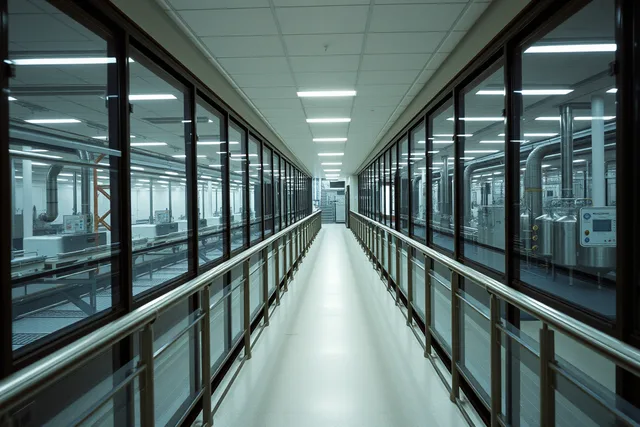
Visitor galleries are frequently behind glass. Put the lens flat against it to kill reflections, turn the flash off, and raise the sensitivity, with ISO 1600 to 3200 a typical working range on a gallery floor.
Food plants are bright and cold-toned; heavy industry is dark with extreme highlights. Expose for the machinery in both cases and let the background go.
For the line in motion, 1/500s freezes a fast conveyor and 1/30s blurs it; 1/125s is a middle setting that usually reads as movement without smear.
Publishing
Credit the plant, say when you visited, and be accurate about what is shown. If you plan anything commercial, write to the company first and expect a straightforward yes or a straightforward no.
The comparison of what these tours actually offer is in comparing factory tour experiences, and the museum equivalent of this field list covers static machinery in more detail.