Guides
Part of The sector a factory sits in, not the tour itself, decides what readers pay
One factory tour a day, compared with a packed schedule, wins every time
How to plan factory tours without rushing the trip: one tour a day, arrive early, and leave the afternoon loose. Plant tours are more physically demanding than they.
What to take away
- One plant tour a day. Two is possible and the second one blurs.
- Allow an hour on either sidecheck-in and briefing before, and a tour that overruns after.
- Standing on concrete for ninety minutes is more tiring than a day of walking.
The rushed version of this trip books two tours a day, forty minutes apart, and treats the published tour length as the amount of time it takes.
Why plant tours run over
The tour starts when the guide is free, not when the ticket says. Production takes priority, a machine needs attention, a delivery blocks the route.
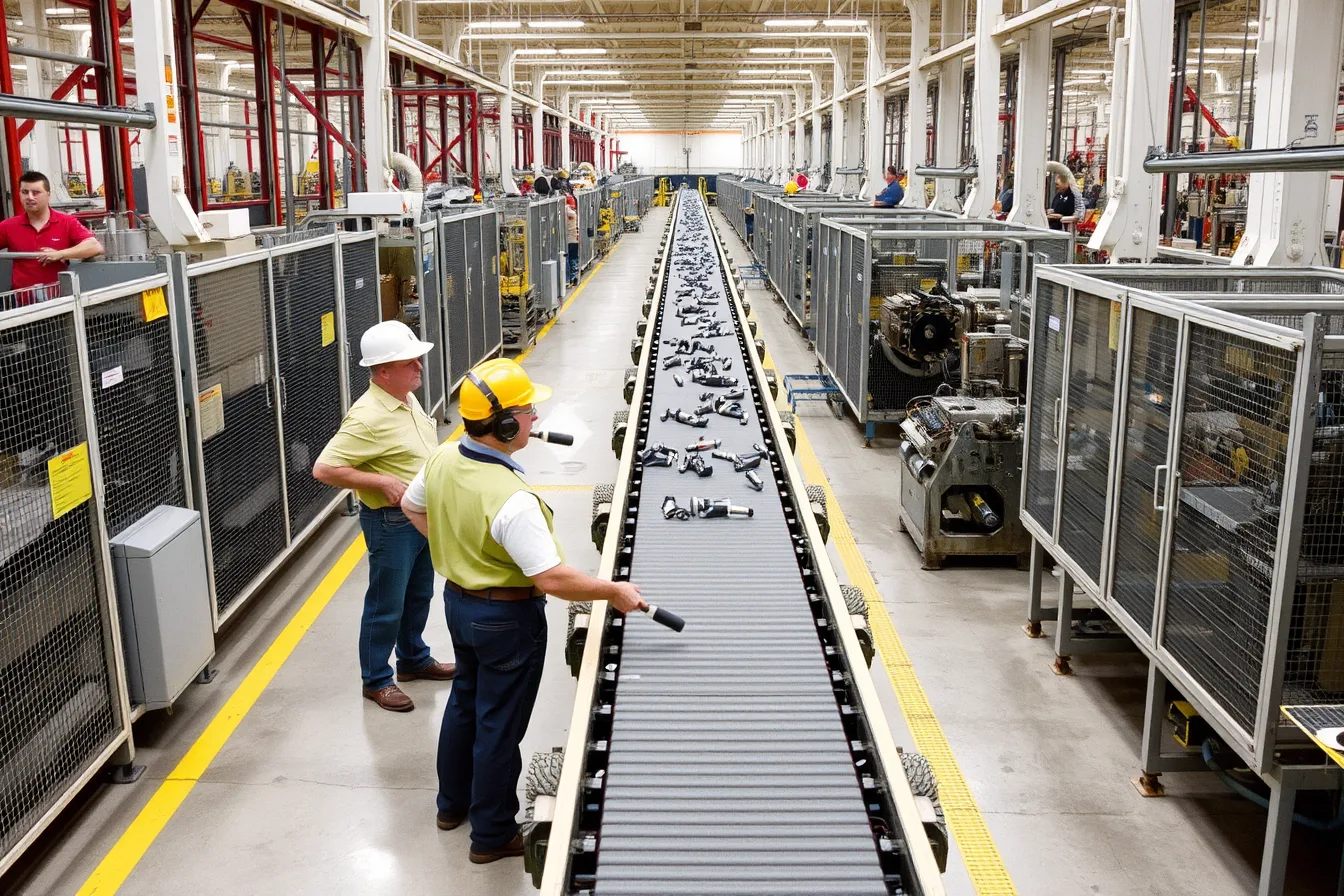
At the Ford Rouge Factory Tour in Dearborn, Michigan, the observation deck looks onto a working F-150 assembly line that does not pause for visitors.
How a plant tour runs over
- Ticket timetour is scheduled
- Guide freetour actually starts
- Machine attentionproduction takes priority
- Delivery blocks routetour pauses
- Questions answeredtour expands
- 2.5 hoursgate to car park
Then the tour itself expands, because a good guide answers questions and a good group asks them. A ninety-minute tour that finishes at ninety minutes is a tour where nobody was interested.
Budget two and a half hours from arriving at the gate to leaving the car park.
The physical cost of standing still
A plant tour is not a walk. It is standing on concrete, in one place, for long stretches, in protective equipment, listening over noise.

The Occupational Safety and Health Administration's ergonomics material covers why prolonged standing and static posture tire people out, which is written for workers and describes exactly what visitors feel by hour two.
Plan a sit-down lunch after a morning tour. It is not indulgence, it is what makes the afternoon useful.
Understand what you are walking into
A little preparation makes the tour less overwhelming and the questions better.
The National Institute for Occupational Safety and Health's manufacturing sector pages describe the hazards and working conditions typical of the sector. That is a useful frame for what you will see: why the guards are there, why the walkways are marked, why hearing protection is handed out at the door.
Ten minutes of that before a visit changes the tour from a spectacle into something you can follow.
The daily shape that works
Morning. Arrive thirty minutes early. Check in, sign whatever they need signed, listen to the briefing properly.
Late morning. The tour, running over.
Lunch. Sitting down, near the plant, for an hour.
Evening. Write down what you saw while it is fresh. Plant tours evaporate from memory faster than any other kind of visit.
What to leave loose
The afternoon, always. Something shifts: the tour runs late, the guide offers to show you more, a shift supervisor has time to talk.
Those unplanned extensions are the best parts of these trips and they only happen if the day has room in it.
Arriving
Bring photo identification. Many plants require it, some check it against a booking list, and a few need it in advance for site access.
Arrive with the clothing already right rather than hoping. The rules are covered in the packing list, and what the whole weekend costs shows why an extra day is usually the better purchase.
The packing list comes down to closed-toe shoes, no loose clothing, safety glasses if you wear contacts, and a pocket for earplugs. A weekend of two tours typically costs $400 to $700 for two people, including two nights and meals. Individual tour tickets typically cost $15 to $30, and some plants offer free public tours.