Guides
Realistic factory tours planning starts with one thing: the days a plant's line runs
A working plant will not rearrange production for visitors. Plan around their schedule, their safety rules and the days the line actually runs.
What to take away
- Ask whether production runs on your date. A silent plant is a walk through a warehouse.
- The safety rules exist because machines and vehicles are moving. Follow them exactly, not approximately.
- Book months ahead for the famous plants and a week ahead for the small ones.
- Small manufacturers give the better tour. They are just harder to find.
A factory tour is the only kind of heritage visit where the subject is still in business. That single fact explains everything about how they are run: fixed times, small groups, strict rules and a schedule that belongs to production rather than to visitors.
Plan with that in mind and these are the best days out in industrial travel.
Confirm that the line will be running
The first question is not what time the tour starts. It is whether anything will be operating.
Is the line running?
Will production run during my tour?
Book the tour and confirm the start time
Ask what will be shown instead
Plants shut lines for maintenance, retooling, seasonal demand and staff holidays, and the tour usually runs anyway. A visit on a day when the line is down is a completely different experience, and few operators volunteer that when you book.
Ask directly: will production be running during my tour, and if not, what will I see instead?
Why the rules are what they are
Two hazards shape every plant tour, and both are worth understanding rather than merely obeying.
The first is stored energy. Machines that look inert can start, and anything being worked on has to be isolated so that it cannot. The Occupational Safety and Health Administration's material on controlling hazardous energy explains the lockout and tagout practices behind that, which is why a guide will stop a group rather than let it pass equipment that is being serviced.
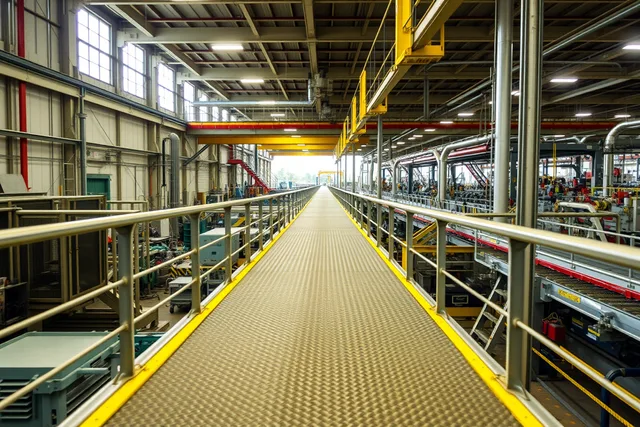
The second is vehicles. Forklifts and powered trucks move constantly in a working plant, and the same body's powered industrial trucks pages set out how they are operated and why pedestrian separation is taken so seriously. This is the reason for the marked walkway, the hand signals and the instruction to stay together.
Neither hazard is dramatic. Both are the reason a plant can refuse entry to somebody in open shoes without further discussion.
The kinds of tour
Booking
- Large consumer brand
- Months ahead, ticketed
- Mid-size regional maker
- Weeks ahead
- Small workshop
- Days ahead, informal
- Heritage plant, still working
- Seasonal
What you get
- Large consumer brand
- Polished, scripted, safe, shallow
- Mid-size regional maker
- Good balance, real production
- Small workshop
- The best conversation, least structure
- Heritage plant, still working
- Old machinery in genuine use
The famous names are the easiest to book and the least informative. The small ones need finding, and are where the trip actually happens.
Finding the small ones
Regional manufacturing networks are the shortcut here, and every state has bodies whose whole job is working with small and mid-size manufacturers.
They know who makes what locally. They are not a tourism service, and they will point you at the local manufacturers' association, which is the door you actually want. The specific organizations to approach are listed in how to find local guides.
Photography and confidentiality
Most working plants restrict photography, and the reason is commercial rather than precious: process layout is competitive information.
Ask when booking, not on the day. Where photography is prohibited, bring a notebook instead, and expect the visit to be more interesting for it.
The day itself
Arrive early, dress correctly, listen to the briefing, and ask questions of the person leading rather than of the operators, who are working.
Two tours a day is the maximum. They are dense, the standing is tiring, and the rest of the route around these fixed points is set out in the two-day itinerary.
Common questions
Can I turn up without a booking?
Are tours free?
What is the minimum age?
What if the tour is canceled at short notice?
In this guide
- No factory tours directory exists, so a checklist of alternatives has to doThere is no directory of American factory tours worth using. The way in is through the organizations that already work with local manufacturers.
- Do route, noise and stairs decide how accessible a factory tour really is?Accessible options for factory tours travelers: a working plant is not a museum, and its access answers differ. Ask about the tour route, the noise and the stairs.
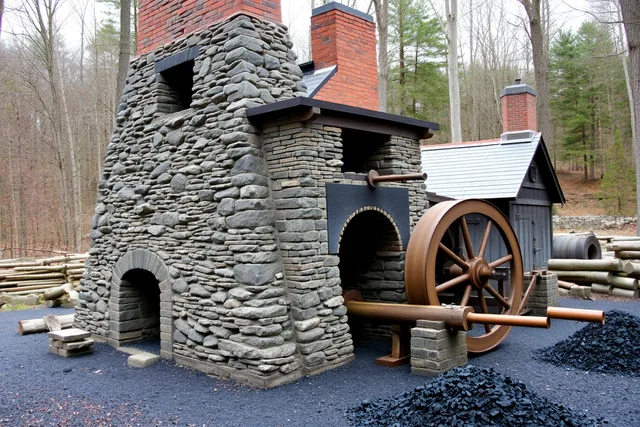
- Factory tours itineraries work best on one pairing: a plant and its historic twinTwo-day itinerary built around factory tours: pair a working plant with the historic version of the same process. Seeing iron made twice, three centuries apart.
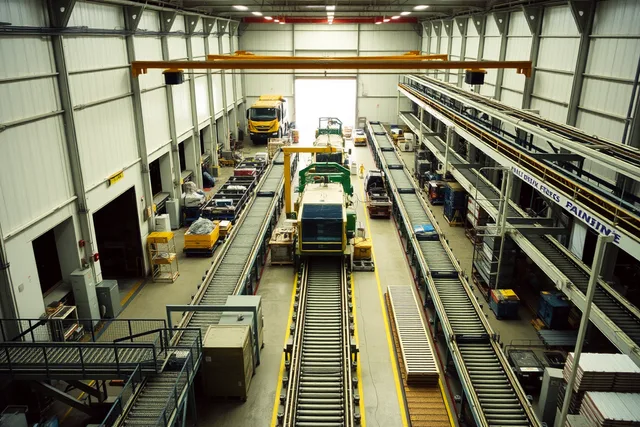
- Layout, not the machinery alone, is what a new factory tour visitor missesWhat first-time visitors miss about factory tours: everyone watches the machines. The information is in the layout, what moves, how far, how often.
- Company towns beat junction hotels near the best factory toursStay in the town the industry built rather than at the junction outside it. Company towns are cheap, walkable, and half of what you came to see.