Guides
Jewelry trade districts: 47th Street and Providence compared
Compare 47th Street in Manhattan and Providence's Jewelry District as working trade sites. Learn about GIA labs, Diamond Dealers Club access, and bench skills.
What to take away
- 47th Street in Midtown Manhattan is a working trade district, not a museum.
- Providence still holds the old Jewelry District buildings south of downtown, with smaller shops inside them.
- Neither city runs a scheduled jewelry factory tour; access is shop by shop, and many counters sell to the trade only.
- Allow half a day each, go on a weekday, and ask before you photograph a bench.
Two jewelry districts that run as working plants
American jewelry craft and gold production never sat in one city. Manhattan kept the density; Providence kept the floor space. Both reward a morning for the same reason: the work happens where you can stand.
These districts sit on a wider industrial heritage map of closed mills and mines now open to visitors. The term industrial heritage covers that class of site.
For route planning, the 7 lessons from factory trail case studies come down to one rule: pick one anchor stop and build the day around it.
Walking 47th Street: counters, clubs and the GIA lab
West 47th Street runs between Fifth and Sixth Avenues, with spillover onto 46th and 48th Streets. Casting houses here run mostly gold and platinum, alongside silver finishing shops.
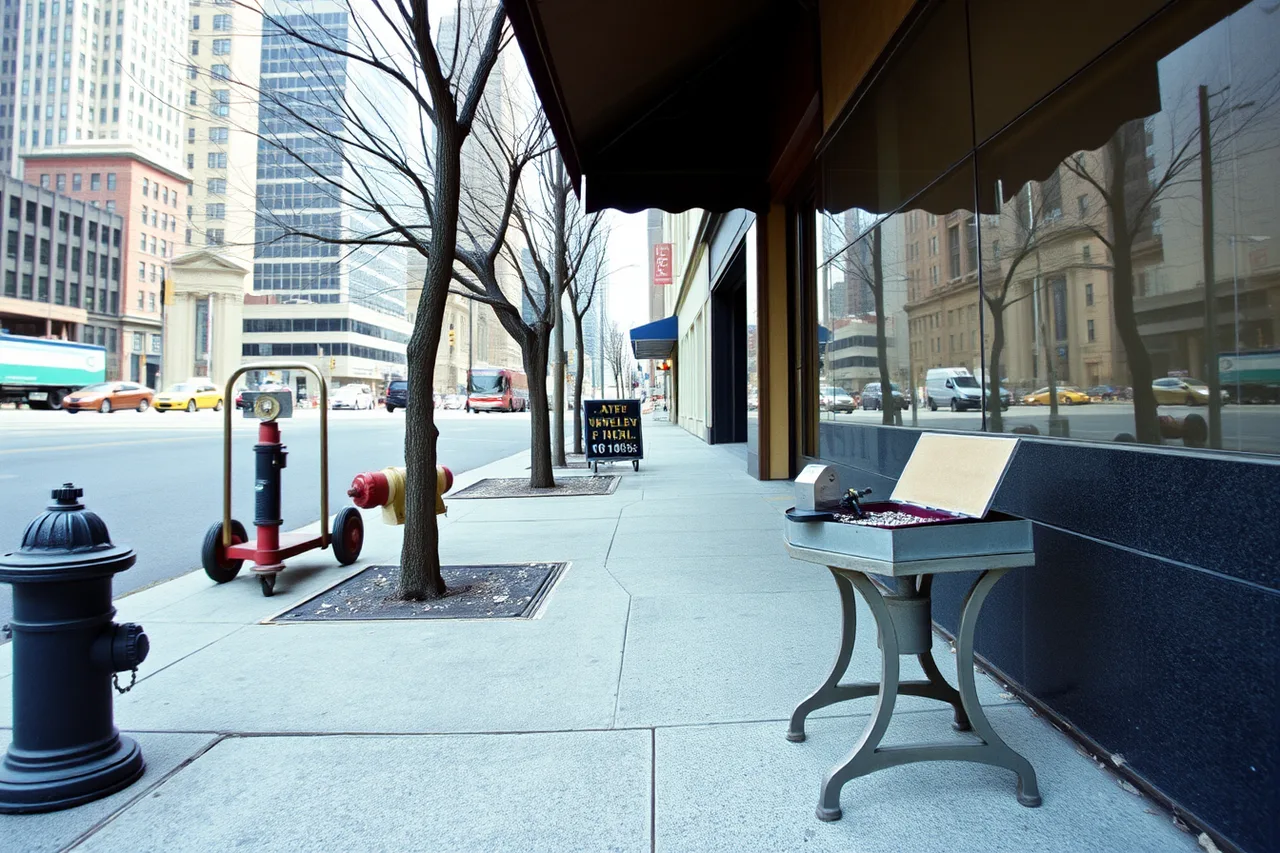
The Gemological Institute of America keeps a New York laboratory in the International Gem Tower at 50 West 47th Street. Grading traffic moves through the block because of it. Shops also handle rubber molds and CAD milling on site.
Trade bodies sit nearby. Jewelers of America is based in New York City, and the Diamond Dealers Club at 580 Fifth Avenue is the stone-trading floor.
Access still matters. Some counters sell to the trade only, so a walk-in with one request may be sent away. An introduction from another shop usually opens the door.
To judge whether a trade district earns a slot in a longer route, compare factory tour experiences with a simple ten-year-old test: would a child learn something here?
Providence's Jewelry District: old factories and bench skills
Providence, Rhode Island, was the jewelry manufacturing capital of the United States in the 19th century. The Jewelry District just southeast of downtown still shows it, and its factories once turned out costume jewelry and silverware by the millions.
The district has clear edges. The old path of Interstate 195 marks its northern border, and Interstate 95 and the Providence River define its western, southern and eastern sides. Inside it, the Providence Jewelry Manufacturing Historic District was added to the National Register of Historic Places in 1985 and expanded in 2012, so the factory blocks you walk past are a listed group, not just old brick. Since Interstate 195 was moved south, the city and state have marketed the area as the "Innovation & Design District", and newer signs may use that name.
Silver has its own trail. The Gorham Manufacturing Company, one of the largest American makers of sterling and silverplate, was founded in Providence in 1831 and moved to a factory on Adelaide Avenue in 1890. That complex, in the Elmwood neighborhood, closed in 1986 and its buildings were demolished, so there is no Gorham plant to tour. What survives in public view is its foundry work: a copy of the Gorham-cast Hiker statue stands in Kennedy Plaza downtown.
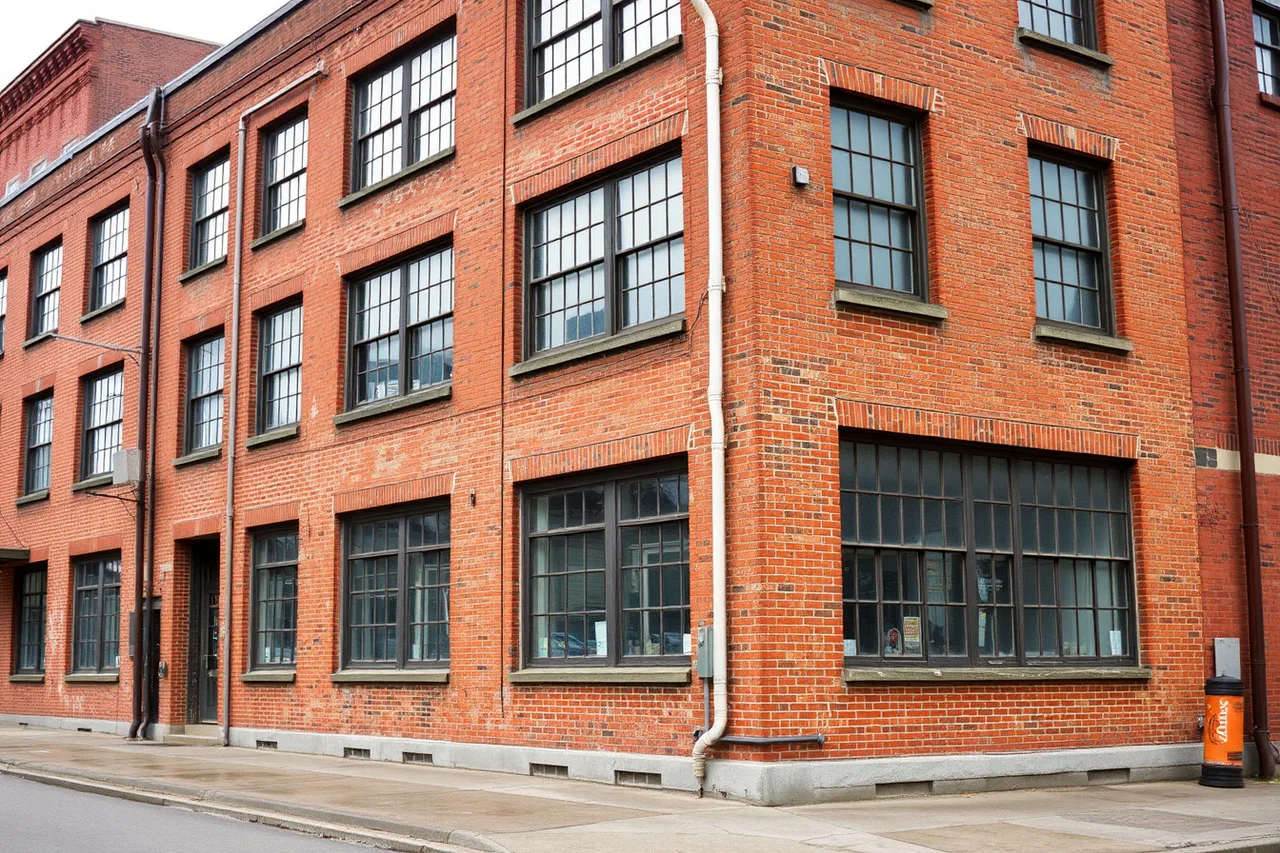
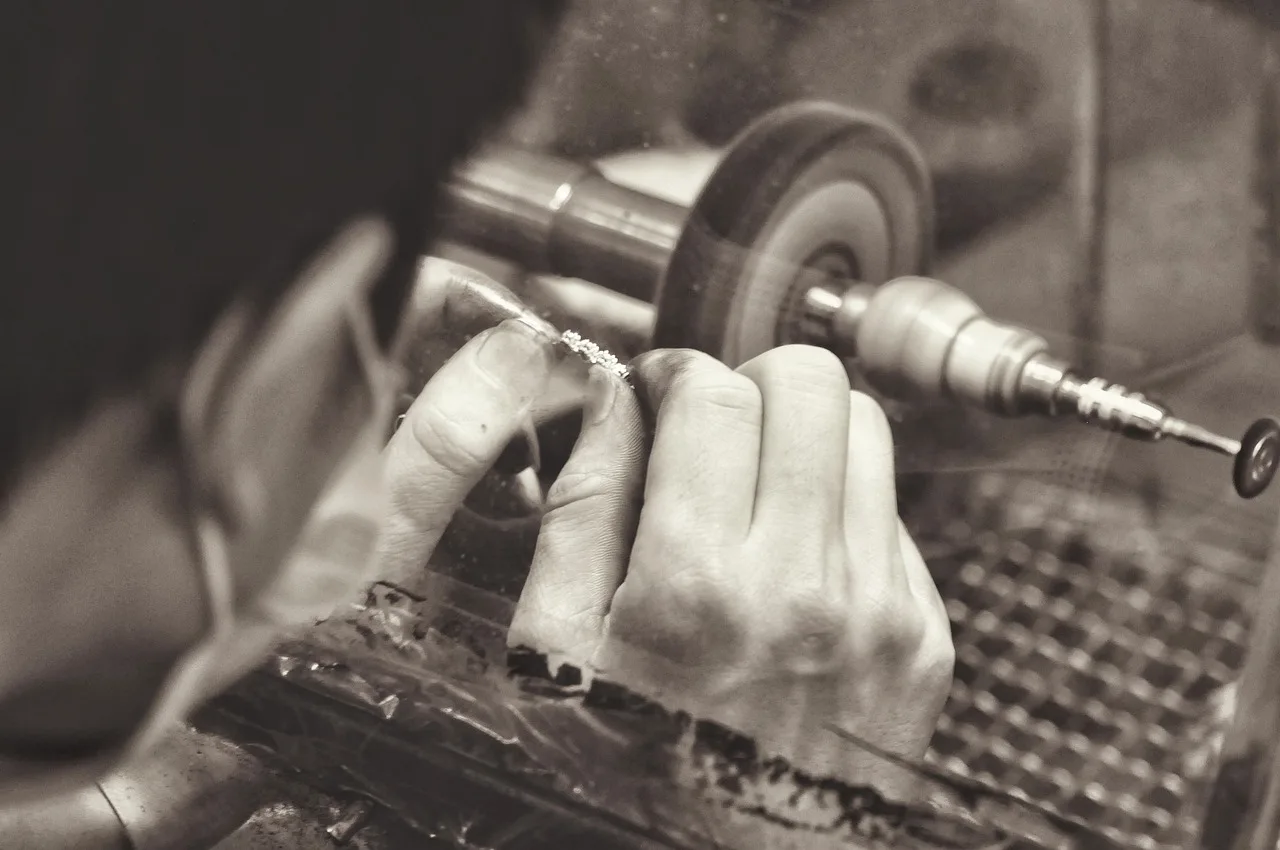
Smaller casting, plating and finishing shops now work inside those buildings. MJSA, Manufacturing Jewelers and Suppliers of America, is based in the city, and its member directories are a first stop for Rhode Island suppliers of silver and gold components.
The Rhode Island School of Design runs its Jewelry and Metalsmithing program a few blocks away, with a BFA focused on both traditional gold- and silversmithing and contemporary methods of making, and graduates feed the local bench workforce. Turnaround here runs slower than in Manhattan, often days to weeks.
Shop rents sit well below Midtown rates, and that gap shows in quoted prices for casting and finishing.
Before booking a shop visit, check safety records and shift patterns first, as Industrial tour operators reward homework explains.
What a visitor can and cannot see on a shop floor
Production floors are not attractions. Ask the manager before you walk past a counter. A few will show a casting room for five minutes; most will not.
Where a floor does open, footwear and eye protection rules apply. The OSHA standard on general PPE requirements, 29 CFR 1910.132, explains when an employer must supply that gear. Bring your own safety glasses anyway.
Metalworking tours elsewhere set expectations. The United States Mint runs public viewing galleries over live production, so you can see how much a plant will expose.
Manhattan, 47th Street
- What you see
- Trade counters and club rooms
- Public tours
- None scheduled
- Getting around
- Walk one block and side streets
- Time to allow
- Half a day
Providence
- What you see
- Old factories, small shops
- Public tours
- None scheduled
- Getting around
- Car or bus between sites
- Time to allow
- Half a day
Photography needs a yes from the manager first; a photographer's checklist for factory tour experiences starts with permission and covers what to ask.
Example: a two-day jewelry heritage weekend
Day one stays on 47th Street in Manhattan. Day two moves to Providence, Rhode Island, which sits a direct train ride away.
- Morningwalk West 47th Street between Fifth and Sixth Avenues, then the side streets for trade signs.
- Middaypass the International Gem Tower and the Diamond Dealers Club at 580 Fifth Avenue.
- Afternoonask two finishing shops about a short floor visit, and note who takes walk-ins.
- Next daystart in the Providence Jewelry District, then walk to the RISD area.
- Finish downtown at Kennedy Plaza, where the Gorham-cast Hiker statue stands.
Build in slack, since a floor visit agreed for the morning often slides into the afternoon. Keep the two districts as separate half-days. Both cities reward an early start, since counters open with the trade day.
Choose the base before the plant. For this pair, a Midtown base and a Providence overnight both work, and the direct train between them sets the pace.