Features
Factory tours in Canada and the U.S.: how to compare border-crossing industrial heritage sites
Compare Canadian and U.S. industrial heritage sites by booking rules, access and interpretation, with a route plan for border-crossing factory trails.
What to take away
- Canada gates access with timed bookings, while U.S. federal heritage sites usually accept walk-up visitors.
- Interpretation splits along a similar lineCanadian sites tell company stories, U.S. sites tell labor and immigration stories.
- The border changes your documents and your schedule, not the tour itself.
- Compare sites on four fieldsbooking, what you see, safety gear, and season.
- Build the route around one anchor site, then add the second country as a day trip.
Booking rules on the Canadian side
Canadian industrial sites often sell a specific hour rather than general admission. The Royal Canadian Mint splits its two public locations, offering a production facility tour in Winnipeg and a smaller Ottawa boutique mint. Its Royal Canadian Mint tour page sets out what each location actually offers.
The Britannia Mine Museum near Vancouver runs guided underground tours on a published schedule, and capacity per departure is limited. That means the booking, not the drive, is the constraint.
Brewery and food plant tours follow similar habits, with fixed departures and sometimes a minimum age. Check the operator's own booking page rather than a reseller, because resale listings lag when a plant pauses tours.
Access rules on the U.S. side
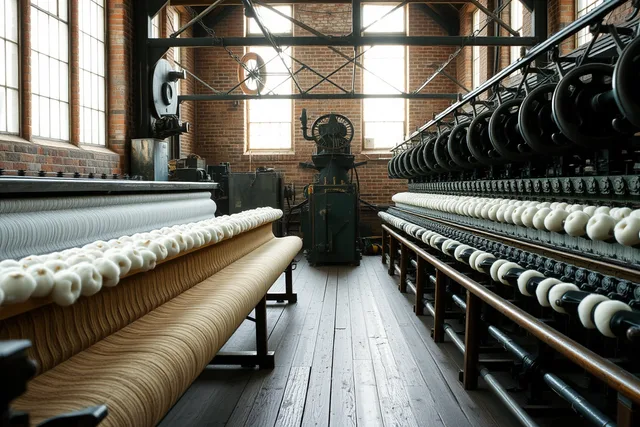
U.S. industrial heritage leans toward public ownership. Lowell National Historical Park in Massachusetts keeps working textile mill exhibits, canal walks, and ranger programs running on park hours, and much of the site needs no reservation.
Other U.S. stops vary more than visitors expect. Sloss Furnaces in Birmingham, Alabama is a preserved iron smelting site that now welcomes visitors. Chocolate World in Hershey, Pennsylvania is a visitor center, not a working plant, and the factory is not open for public tours. Dearborn, Michigan pairs a large manufacturing museum with an assembly plant tour in one trip.
A visitor center ticket is not a factory tour ticket. Confirm which one you are buying.
Comparing access, interpretation and safety
Canada examples
- Booking
- Timed tickets sold online
- What you see
- Underground tours and production floors
- Interpretation
- Company and brand history
- Safety gear
- Host supplied, or closed-toe shoes requested
- Season
- Varies by operator, some winter closures
U.S. examples
- Booking
- Walk-up visits at federal parks
- What you see
- Mill exhibits, preserved furnaces, visitor centers
- Interpretation
- Labor, immigration and park narratives
- Safety gear
- Host supplied under OSHA footwear and eye rules
- Season
- Posted park hours, holiday closures
The rule that matters most is who sets it. U.S. plant tours usually inherit the plant safety program, which follows OSHA standards for footwear and eye protection. Canadian sites answer to provincial occupational health law instead. Visitors get a similar result either way: closed-toe shoes, safety glasses, sometimes hearing protection.
Interpretation differences in mill towns
Canadian industrial sites often keep the founding company at the center of the story, which suits brand museums tied to a brewer or a mint. U.S. sites more often follow a labor and immigration thread, which suits textile mills and furnace towns. Ask for the tour outline in advance if interpretation quality decides the booking.
Planning a two country route
- Pick the anchor site and read its booking page before you plan anything else.
- Check the season and the days the tour runs, since weekend production shifts are rare.
- Book a slot that leaves two hours of slack after your border crossing.
- Carry the same ID you used for the booking, in both directions.
- Ask what the host supplies, so you pack safety glasses only when needed.
Regional factory visit questions cover local logistics, seasonal changes, guest needs, and host ownership, which most trip plans skip entirely.
What keeps a heritage site open
A preserved furnace or mill is a building with an operating budget. Repair cycles, insurance, and preservation easements decide how many hours it can open each week. Owners authorizing 2027 work should start with maintenance plan comparison questions, which lay out five plan options and the terms to settle before work begins.
Example: Buffalo and Ontario in one trip
Buffalo, New York sits close to Ontario mill and brewery towns, so a two country weekend is realistic. Pair a U.S. heritage site one day with a Canadian site the next. The main cost is time at the Peace Bridge.
Lowell works as a longer U.S. base, because several park sites sit within walking distance. For a shortlist, compare named manufacturing museums by region before you book travel. Teams choosing a provider rather than a destination can use nine questions for comparing providers to turn competing proposals into one matrix.