Features
Part of Real process shown, compared with polish, is how factory tour experiences should be judged
Rivers and harbors explain the rule: where factory tour experiences detours belong
Factory tour experiences stops worth adding to a longer trip: add the water. Every plant on your route was sited for a river, a lake or a harbor.
What to take away
- Add the water source. It explains why the plant is where it is, and it takes 20 to 40 minutes (typical).
- Add a trail along the transport route, which is frequently the old rail bed or towpath.
- Add the raw material at its sourcea quarry viewpoint, a field, a forest.
- Keep detours short. Two hours maximum, one per day.
A route built from consumer factory tours is enjoyable and slightly weightless. Everything happens indoors, in a building that could be anywhere, and the product arrives as if by magic.
The detours worth making are the ones that put the plants back in their geography.
Add the water
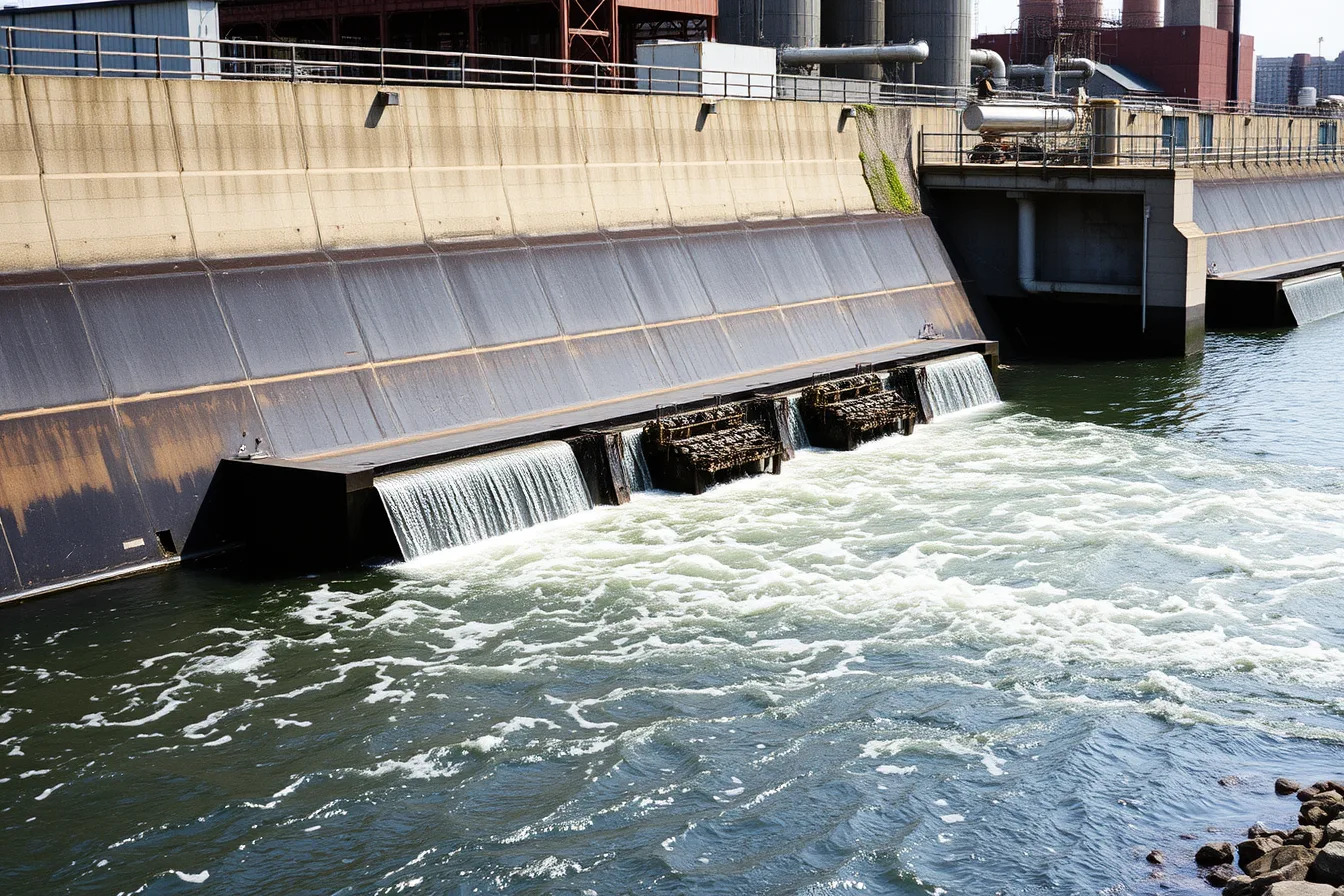
Almost every plant you visit was sited for water: power, process, cooling, transport or waste.
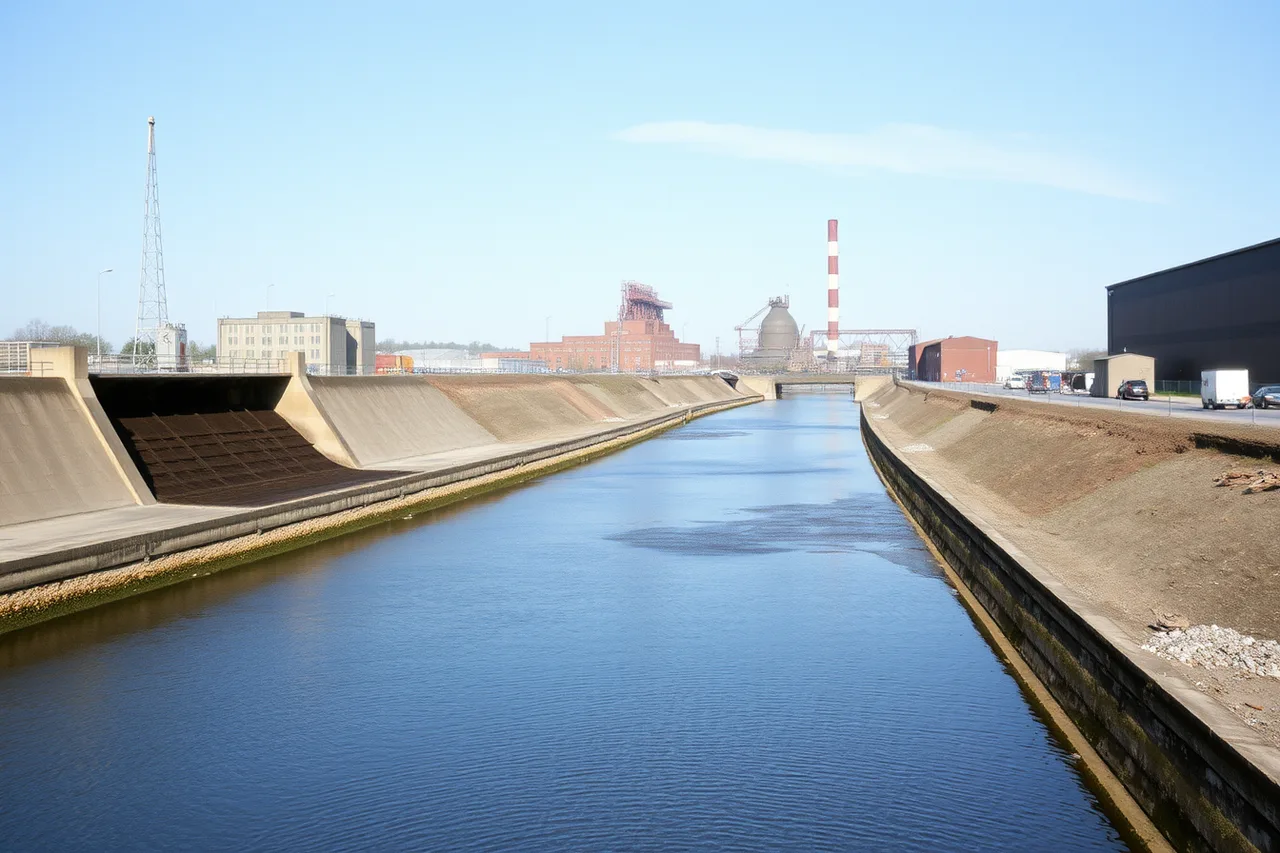
Two rivers to stand beside: the Merrimack at Lowell, Massachusetts, whose canal system powered the cotton mills, and the Cuyahoga at Cleveland, where a river fire in 1969 turned industrial pollution into national news.
Twenty minutes at the river, lake or harbor a plant depends on reframes the trip. The Park Service's watershed pages, from its Water Resources Division, explain how these systems work as units. That is the frame that makes an industrial region legible: upstream supply, the works, downstream consequences.
Look at where the intake is, where the outfall is, and what is between them.
Add the transport route
Industry moved on rail, canal and river, and much of that infrastructure now carries footpaths.
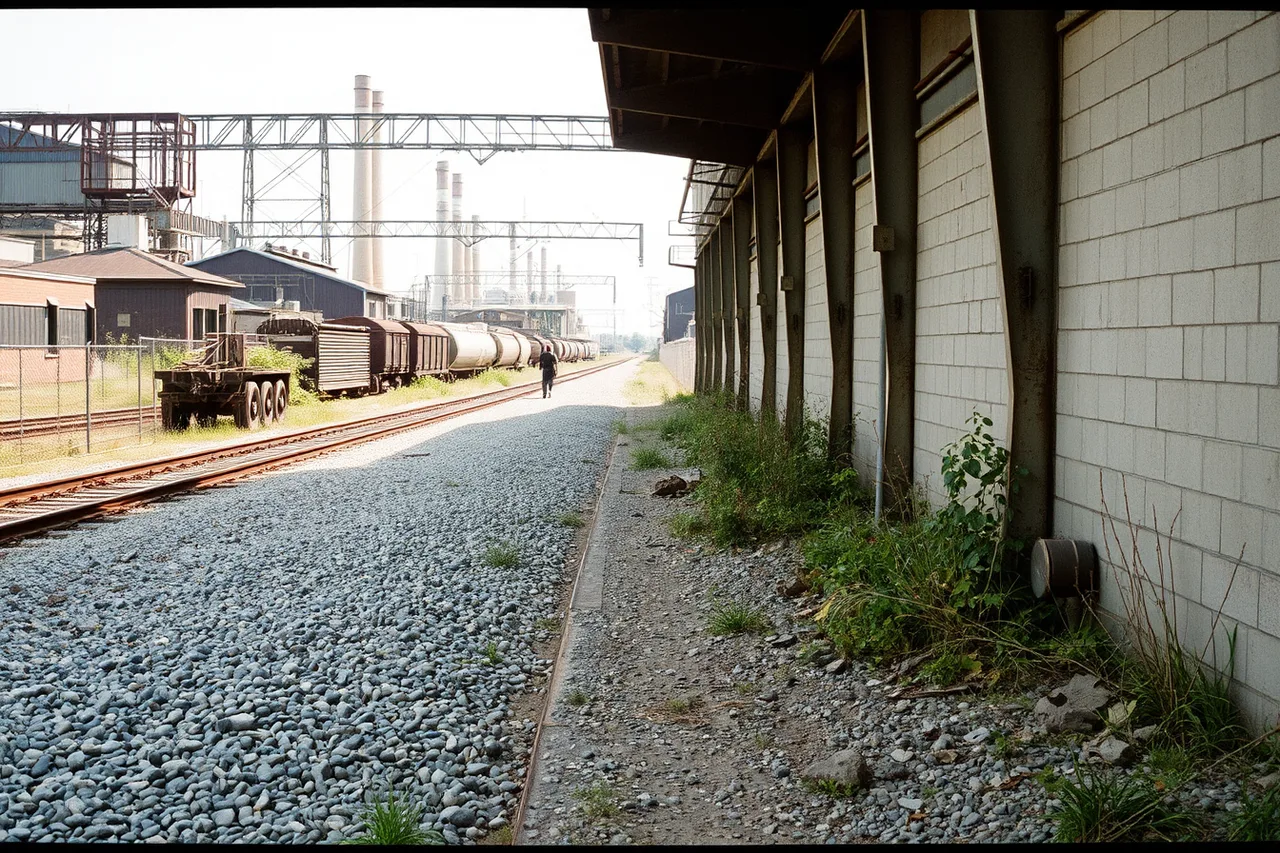
The Park Service's trails program covers the National Trails System and the conversions that put public routes on former transport corridors, which is why so many rail trails run past the backs of factories.
A 30 minute walk along one shows you the sidings, the loading bays and the waste ground, which the visitor entrance is designed to keep you away from.
Named rail trails: the Great Allegheny Passage, laid on the old Western Maryland and Pittsburgh and Lake Erie beds. Detroit's Dequindre Cut is a former Grand Trunk Western line that runs below street level.
Add the raw material
A quarry viewpoint, a working farm, a managed forest, a fishing harbor. Wherever the material starts.
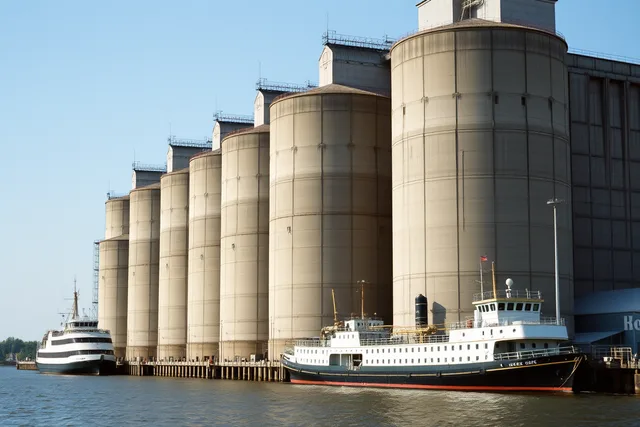
Named examples: the Rock of Ages granite quarry near Barre, Vermont, and the grain elevators on the Buffalo River.
This is the detour that most changes how the tours read, because consumer plants almost never explain their inputs beyond the marketing version.
Add the town's own history
The local historical society, an hour, usually free. Photographs of the plant when it employed three times as many people, and somebody at the desk whose father worked there.
This is the cheapest and most consistently rewarding detour on any industrial trip.
Add the evening version of the same place
Industrial towns look different after dark, and the detour costs nothing because you are already there. Local businesses near the plant often adjust their hours around the tour schedule.
Lit stacks, a working yard under floodlights, the glow over a mill on three shifts. Stay on public ground, off the fence line, and keep the gate and the security post out of the frame.
One worked day
Morning: the Carrie Blast Furnaces tour in Swissvale, Pennsylvania, roughly two hours (typical), run by Rivers of Steel, a National Heritage Area covering the Mon Valley. Book ahead.
Then drive 15 to 20 minutes (typical) to the Great Allegheny Passage on Pittsburgh's South Side and walk 30 minutes along the Monongahela, looking up at the rail side of the old works.
After lunch, drive about 10 minutes to Homestead. The Waterfront sits on the old U.S. Steel Homestead Works site, and the preserved stacks are viewable from the riverside path.
One plant, three detours, one day.
What makes a good detour
- Under forty minutes off the route
- Open without booking
- Adds something the plant tours cannotgeography, labor, origins, consequences
- Works in ordinary weather
The detours to skip
Another consumer plant of the same kind. Anything requiring a booking you have not made. Anything that turns into a second main stop and eats the afternoon.
The tours these detours are supporting are compared in how to compare factory tour experiences, and the museum-side detours cover the same idea for a heritage-led trip.