Guides
A guide to Lowell National Historical Park cotton mill tours
Industrial museums in Lowell, MA center on the Boott Cotton Mills Museum, the NPS ranger-led mill walk and the Suffolk Mill turbine, with hours, fees and noise tips.
What to take away
- Lowell National Historical Park runs the Boott Cotton Mills Museum at 115 John Street, and its power looms really run.
- The weave room reaches roughly 90 to 100 decibels, above the 85-decibel limit NIOSH recommends for an eight-hour day.
- Admission to the Boott has run about $6 for adults, $4 for seniors 62 and older, and $3 for ages 6 to 16.
- Ranger-led mill floor walks are free with admission, and the Suffolk Mill turbine is the stop most visitors skip.
- The park trolley is free and seasonal; the canal boat on the Pawtucket Canal is a separate ticket, typically $8 to $12.
Lowell National Historical Park and the cotton mill story
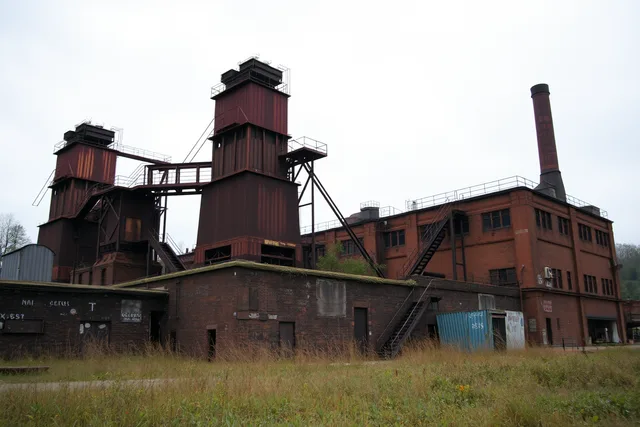
Cotton mill tours at Lowell National Historical Park center on Lowell, Massachusetts, where the machinery still runs. In the 1820s, investors built mills and boarding houses beside the Merrimack River and hired young women from New England farms. Those workers became known as mill girls, and their letters and ledgers fill the park's exhibits.
The National Park Service runs the site, a federal agency you can find through the A-Z index of federal agencies that tracks who sets the rules at heritage sites. Ranger staffing, tour times and building access follow federal schedules rather than a private operator's whim.
The park is not one building. It spreads across downtown Lowell in a mix of museums, gatehouses, canals and mill yards, so plan on walking between pieces. The USAGov government overview explains how federal agencies like the NPS fit into the wider structure that manages national heritage sites.
Start at the visitor center, 246 Market Street, for maps, tour times and the day's ranger schedule. The grounds and canals are free to walk. You pay only where the park charges admission, mainly the Boott Cotton Mills Museum. The park phone is 978-970-5000.
For photographers, the light in these brick interiors is the hard part. A field list for manufacturing museums covers how to shoot machines without fighting the exposure.
Boott Cotton Mills Museum: hours, fees and what runs
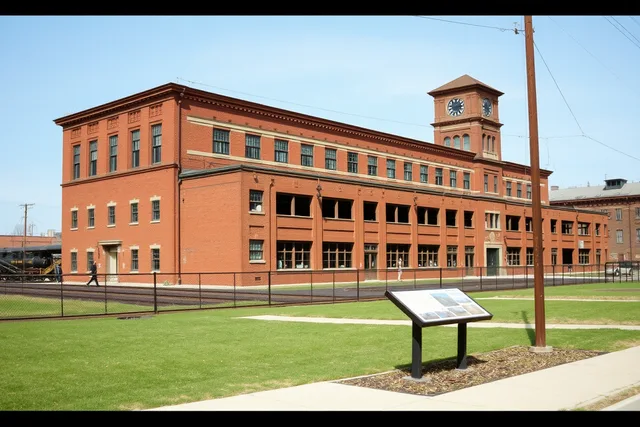
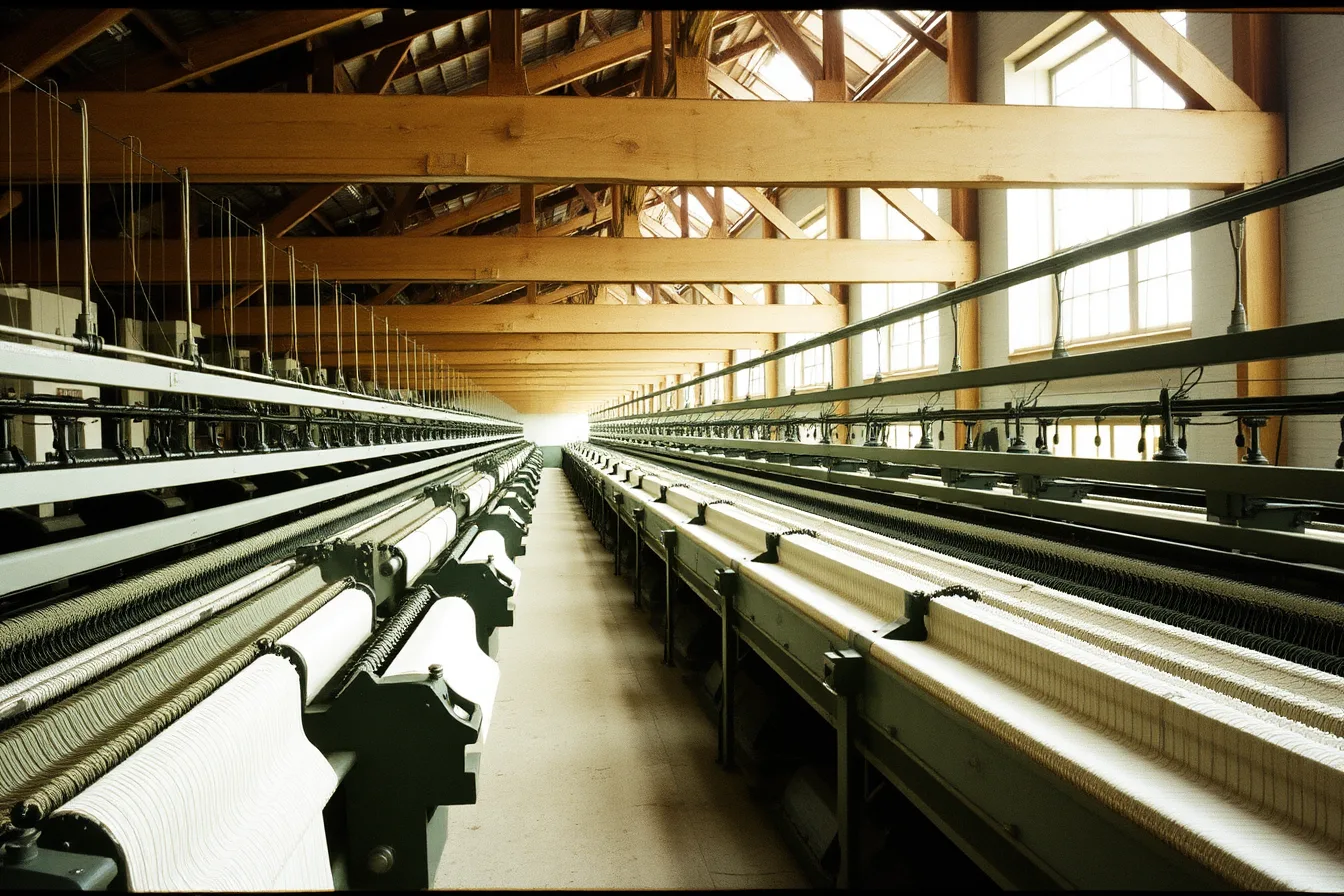
The Boott Cotton Mills Museum, at 115 John Street, is the anchor of any visit. It sits in a restored mill complex, and its centerpiece is a working weave room with dozens of power looms. When the looms run, the room sounds like a hailstorm on a tin roof.
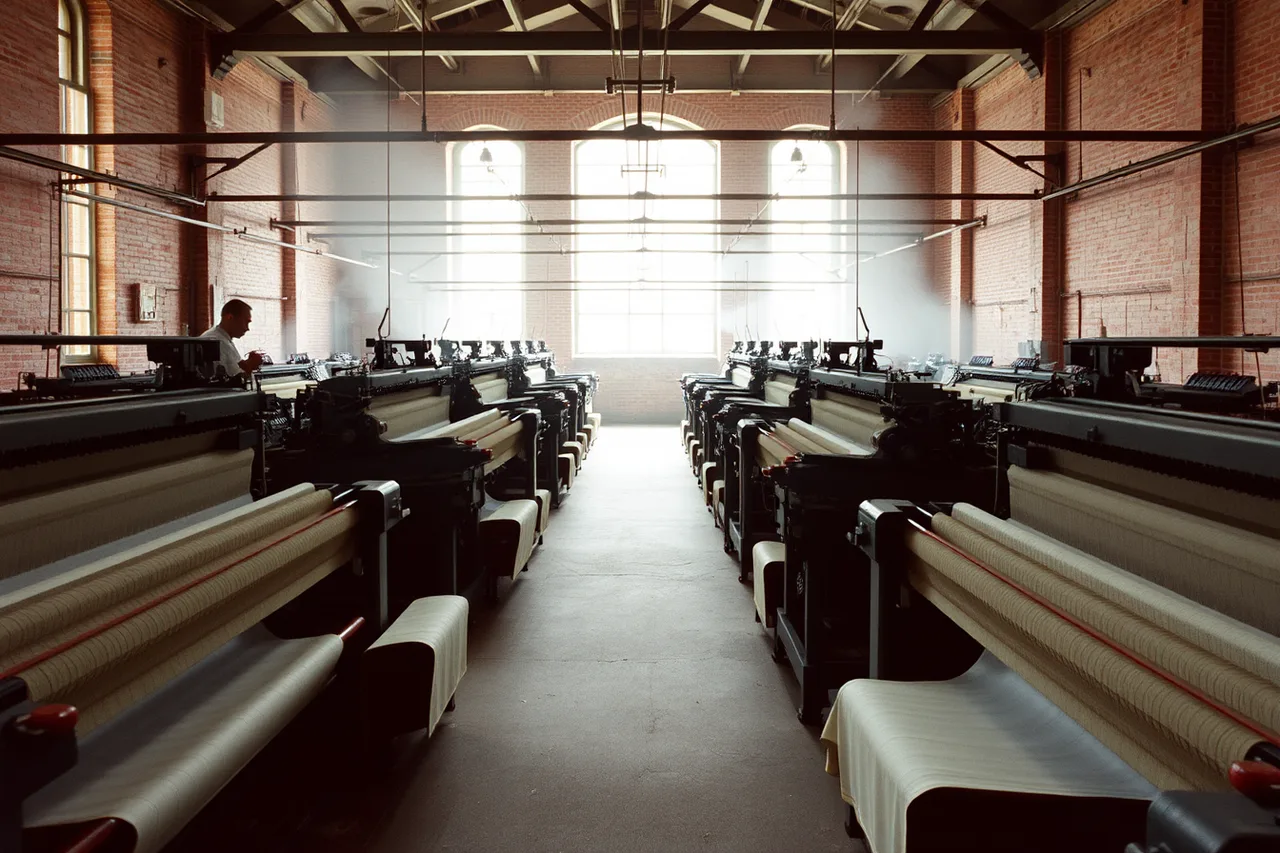
Hours follow the season. The visitor center at 246 Market Street is typically open daily from 9 a.m. to 5 p.m. The Boott museum usually opens at 9:30 a.m. and closes at 5 p.m., with shorter weeks in winter and closures on Thanksgiving, December 25 and January 1.
Fees are modest. In recent seasons the Boott charged about $6 for adults, $4 for seniors 62 and older, and $3 for ages 6 to 16 and students with ID. Children under 6 were free. Prices change, so confirm at the desk.
Federal passes such as the America the Beautiful annual and senior passes generally cover entrance fees at NPS sites that charge them. Ask what your pass covers before you buy a ticket.
The looms run on a posted schedule, usually several times an hour rather than continuously. Staff start them for visitors, and the sound and vibration are the exhibit. Upstairs, the exhibits cover mill work, labor organizing and the shift from hand looms to power looms.
Boott Cotton Mills Museum
| Feature | What to expect |
|---|---|
| Weave room | Dozens of power looms, running on a posted schedule |
| Exhibits | Mill work, labor history, machinery |
| Fees | About $6 adults, $4 seniors 62 and up, $3 ages 6 to 16 |
| Hours | Typically 9:30 a.m. to 5 p.m., shorter weeks in winter |
| Best for | Families, school groups, photographers |
| Address | 115 John Street, Lowell, MA 01852 |
| Noise | Roughly 90 to 100 decibels during loom runs |
| Phone | 978-970-5000 |
The Tsongas Industrial History Center, run by the park with UMass Lowell in the same mill complex, takes school groups through hands-on programs on waterpower, labor and immigration.
If you are comparing this stop with other sites, the manufacturing museums provider selection piece walks through how to judge what a museum actually delivers.
The NPS ranger-led mill floor walk
The NPS ranger-led mill floor walk turns machinery into a story. A ranger takes a group across the mill floor and explains who worked there, what they were paid and how the machinery changed their days.
Tours leave on a posted schedule, and they are free with museum admission. Space is limited when school groups are in town, so sign up early in the day or ask at the desk about the next departure.
Rangers carry the details the labels cannot: the noise, the heat, the lint in the air. Ask about the boarding houses, the canal system and the strikes of the 1830s and 1840s.
School groups should book ahead and split into manageable sizes. A ranger can pitch the walk to a fourth grade class or to adults, but not to both at once.
Here is how a family day can run:
- Arrive when the visitor center opens and collect the day's tour times.
- Take the ranger-led mill floor walk first, while energy is high.
- Visit the Boott weave room at its posted run time.
- Walk the canals and gatehouses, then break for lunch downtown.
- Finish at the Suffolk Mill turbine before the last tours fill.
Suffolk Mill turbine and the power behind the looms
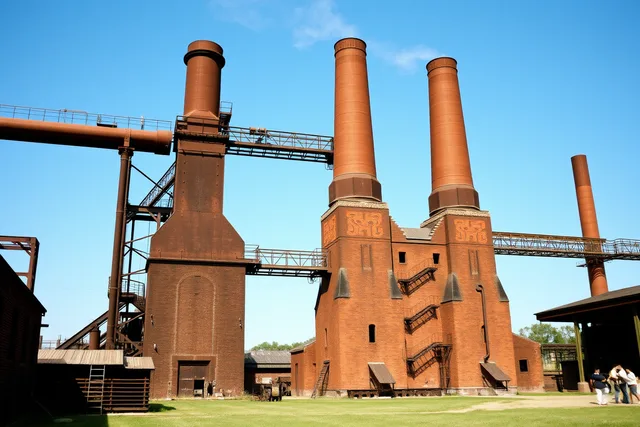
The Suffolk Mill turbine is where the park explains power. Before electricity, the Merrimack River turned turbines that drove shafts and belts through the mills. The turbine is a surviving example of that system, showing how water became motion and motion became cloth.
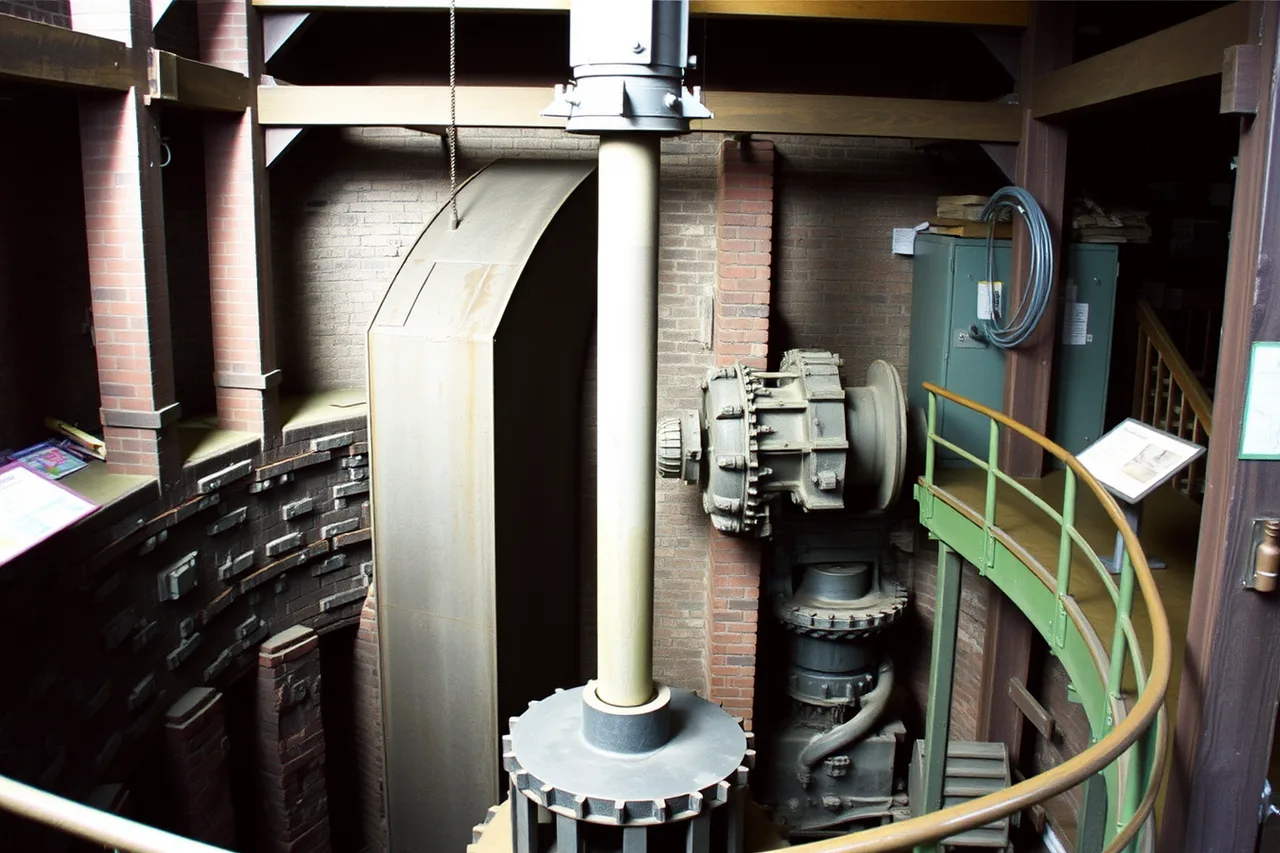
Factory sites like this one sit at the intersection of power generation and building design, the same territory covered by the NIST buildings and construction topic on factory structures and safety. Turbines, shafts and belts shaped how mills were laid out and how workers moved through them.
The broader electricity system that replaced waterpower is documented through EIA electricity data, which is useful context if you want to understand why mills relocated toward cheaper power.
Give the turbine a real stop, not a glance. It is quieter than the weave room, and it is often the exhibit that makes the whole site click for older students.
Weave room noise: decibel levels and what to bring
The weave room noise warnings are not a formality. Dozens of looms running together produce sound levels that commonly reach 90 to 100 decibels. NIOSH sets its recommended exposure limit at 85 decibels over eight hours, and OSHA's limit is 90.
Bring ear protection for everyone, including adults who think they do not need it. Foam plugs cost a few dollars and fit in a pocket. If you have a noise-sensitive child, stand near the door and step out when they have had enough.
A simple checklist before you go:
- Earplugs or earmuffs for each person
- Closed-toe shoes for walking mill floors and stairs
- A water bottle for the canal walk
- A charged phone for tour times and tickets
- A light layer, since brick interiors run cool
- Cash or card for admission and the gift shop
Accessibility varies across the site. Some routes involve stairs and uneven mill floors, and elevator access differs by building. The question of how route, noise and stairs shape a factory visit is worth settling before you book, especially with strollers or wheelchairs.
If noise is a dealbreaker for someone in your group, plan the visit around the exhibits and the turbine, and let the rest of the party take the weave room in shifts.
Getting to Lowell and pairing it with Waltham and Boston museums
Lowell sits about 30 miles northwest of Boston. The MBTA Lowell Line leaves North Station and takes roughly 45 minutes, dropping you downtown within walking distance of the park. Commuter rail fares vary by zone, typically under $15 one way.
Driving gives you flexibility for nearby stops. Downtown garages typically charge $1 to $2 an hour, with daily maximums around $10 to $15. The park trolley is free and runs seasonally, usually spring through fall.
A single day covers the Boott museum, the ranger walk and the turbine. Two days let you add the canal boat on the Pawtucket Canal, the Mill Girls and Immigrants Exhibit at the Mogan Cultural Center, and a slower pass through the exhibits.
The canal boat tour is a separate ticket, typically about $8 to $12 depending on age. The Mill Girls and Immigrants Exhibit, in a restored boarding house at 40 French Street, is free.
Pairing works best when one stop is operating and the other is historic. The idea behind a plant and its historic twin is that a working factory and a preserved mill explain each other, and Lowell is the historic half of that pairing.
Nearby options include the Charles River Museum of Industry and Innovation in Waltham, about 25 minutes away, and the Museum of Science in Boston, roughly 45 minutes. The American Textile History Museum in Lowell closed in 2016, and its collections went to other institutions.