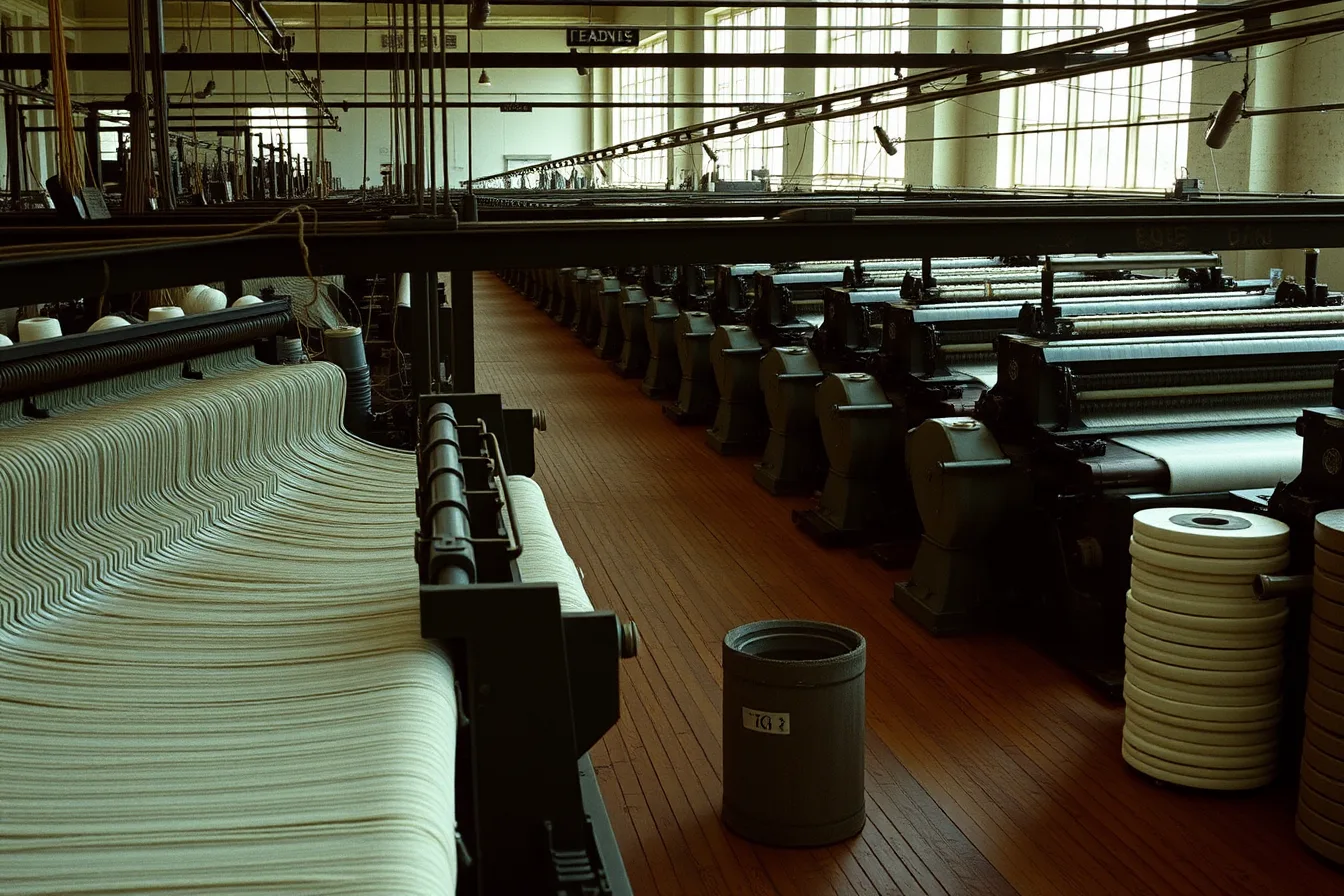
Guides
Are any working textile mills open for tours in New England?
Working textile mill tours in New England exist, but most run by appointment. Lowell and Pawtucket are museums, not factories, so lead times decide the trip.
What to take away
- Yes, but only a few. Most New England mills that still run production keep visitors out, and the ones that open are small woolen and yarn mills working by appointment.
- The names that surface first, Lowell in Massachusetts and Pawtucket in Rhode Island, are museum sites.
- Lead time decides the trip. Appointment mills typically want two to four weeks of notice for a group, while a national park museum takes walk-ins.
- Footwear and age limits stop more visits than distance does.
- Opening hours move with the season, so confirm with the operator or the park page on the morning you go.
Working Mills Against Museum Mills
A working mill is a factory. Yarn or cloth leaves the loading dock, shifts run to a schedule, and the floor belongs to the people operating it. A museum mill keeps the building and the looms but sells interpretation. That difference decides who walks in.
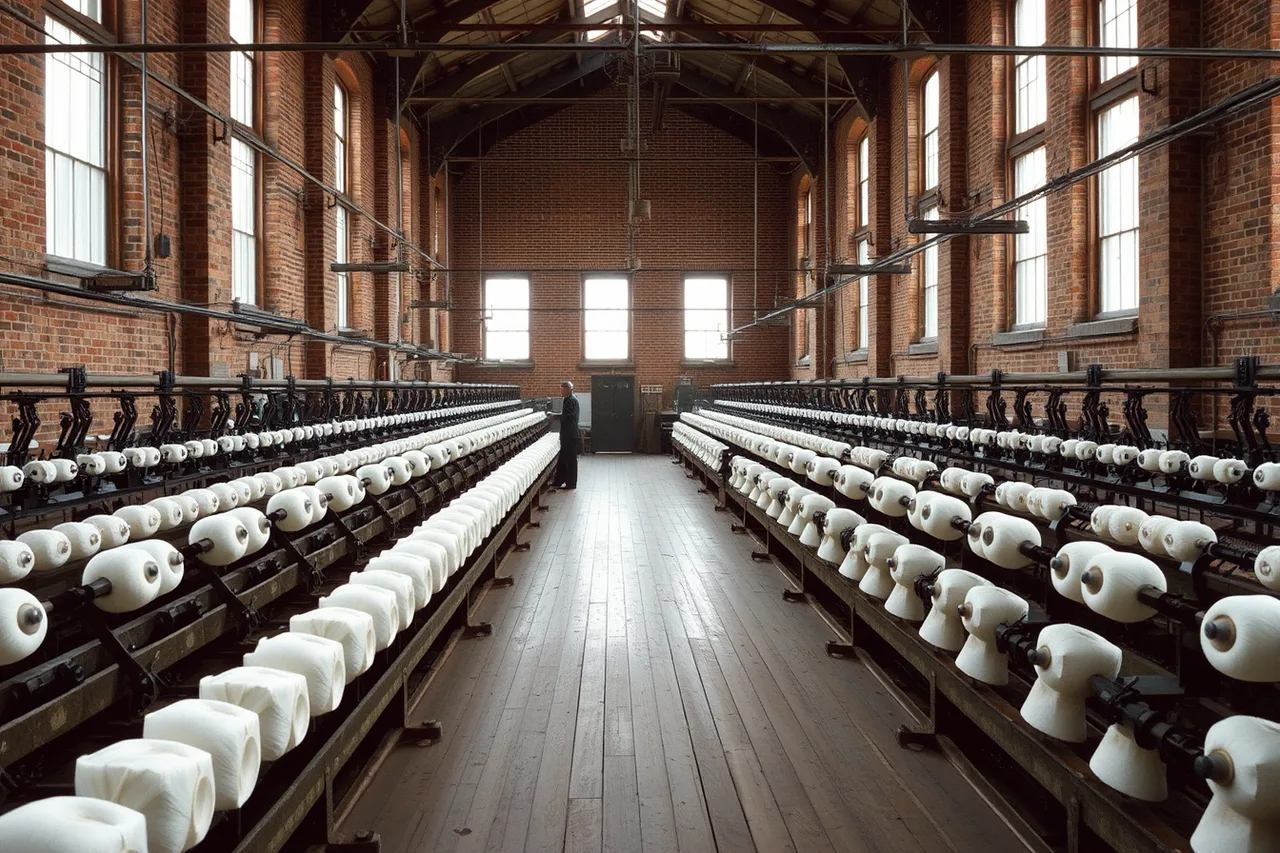
Cotton spinning needs water, power and a long floor, which is why surviving New England mills look the way they do (textile mill). The buildings still stand in large numbers. The businesses inside most of them do not. A working plant will not stop its line for visitors, so realistic factory tours planning starts with the days it runs.
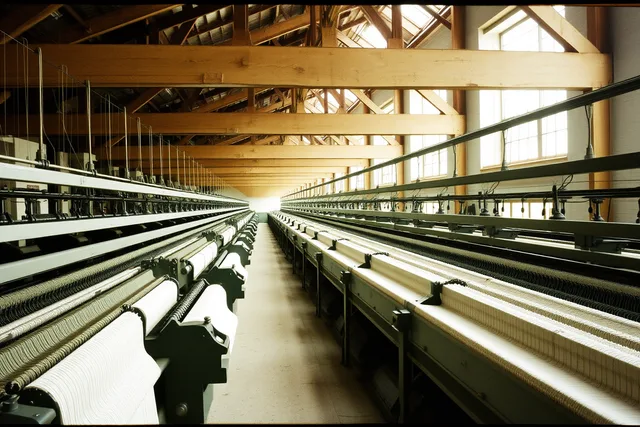
The National Park Service holds two of the region's best known mill sites, and both are museums. Lowell runs power looms in a former weave shed while rangers explain what the noise meant for the people who worked it (Lowell National Historical Park). The park's own pages describe the looms and the tours that run in those buildings today (Lowell's mill history).
New England Mills That Accept Visitors
| Site | Town | Floor | Visitor access |
|---|---|---|---|
| Bartlettyarns | Harmony, Maine | Woolen yarn spinning | Appointment visits, call first |
| Harrisville Designs | Harrisville, New Hampshire | Woolen yarn and cloth | Public shop, tours arranged |
| Boott Cotton Mills Museum | Lowell, Massachusetts | Power looms in a museum | Walk-in admission, group tours booked |
| Old Slater Mill | Pawtucket, Rhode Island | Early spinning and weaving | Scheduled programs, check the calendar |
Small mills fit visits around production. A plant with forty employees cannot absorb a bus of visitors without stopping work, so tours run at a fixed hour on a fixed day. Anyone planning a wider swing can lean on Industrial Heritage Travel Help to line up stops that follow the same visitor rules.
How to Book an Appointment Mill
- Decide whether you want a production floor or a demonstration floor. The two carry different rules.
- Call the mill office rather than a website form. Small mills answer the phone.
- Ask three questionsminimum age, footwear, and whether the line will run that day.
- Confirm the day before. A breakdown on the line cancels a visit at short notice.
A request that names your group size, your dates and your flexibility gets a faster answer than a general enquiry. Groups of ten or more are often split into two waves, so a weekday morning is easier to place than a Saturday.
Booking here is a conversation rather than a transaction. The person who answers the phone often decides, so ask for the name of whoever will meet you at the door.
If you are stacking several stops into one trip, work through the Factory Tour Budget Planning questions before you call.
What Stops You at the Door
Open-toe shoes end more mill visits than any other single thing. A production floor with moving machinery triggers foot protection requirements under OSHA 1910.136, and the plant applies the same standard to guests. Sandals and thin canvas shoes are turned away at the desk. Bring a spare pair in the car if you are unsure.
Age rules come second. Some working mills set a minimum age for the floor, often twelve or sixteen, and a parent cannot sign around it. Loose sleeves, dangling jewelry and open bags draw the same answer.
Camera limits vary. Cotton dust and lint are not the issue; trade secrets are, and a few mills ask that nothing on the line be photographed. Rules differ between mills, so ask when you book. If you want a preview of the usual friction points, Common Factory Visit Mistakes lists them by cause and cure.
Opening Hours and Seasonal Closures
The Boott Cotton Mills Museum's hours are published by the National Park Service on its Lowell pages, and they change with the season. Winter weekdays are the thinnest, and some buildings close on certain days. Check the park page the morning you plan to go.
Appointment mills publish less and change more. A mill that tours in June may pause in July for a shutdown, or in December for inventory, so a phone call settles the question.
Seasonal staffing decides the rest. A small mill with a seasonal shop sometimes runs tours between spring and fall only, then closes the visitor door while production carries on behind it.
Visitors comparing museum floors across several states meet the same traps, and Help for Manufacturing Museums sorts them by site type.