Features
Part of The sector a factory sits in, not the tour itself, decides what readers pay
Factory tours keep running through shutdown weeks, summer compared with winter
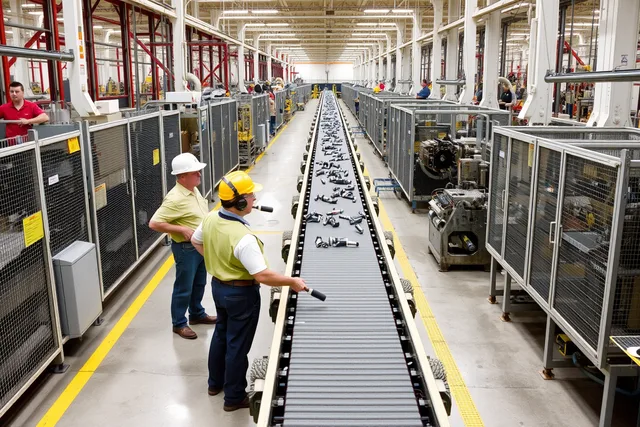
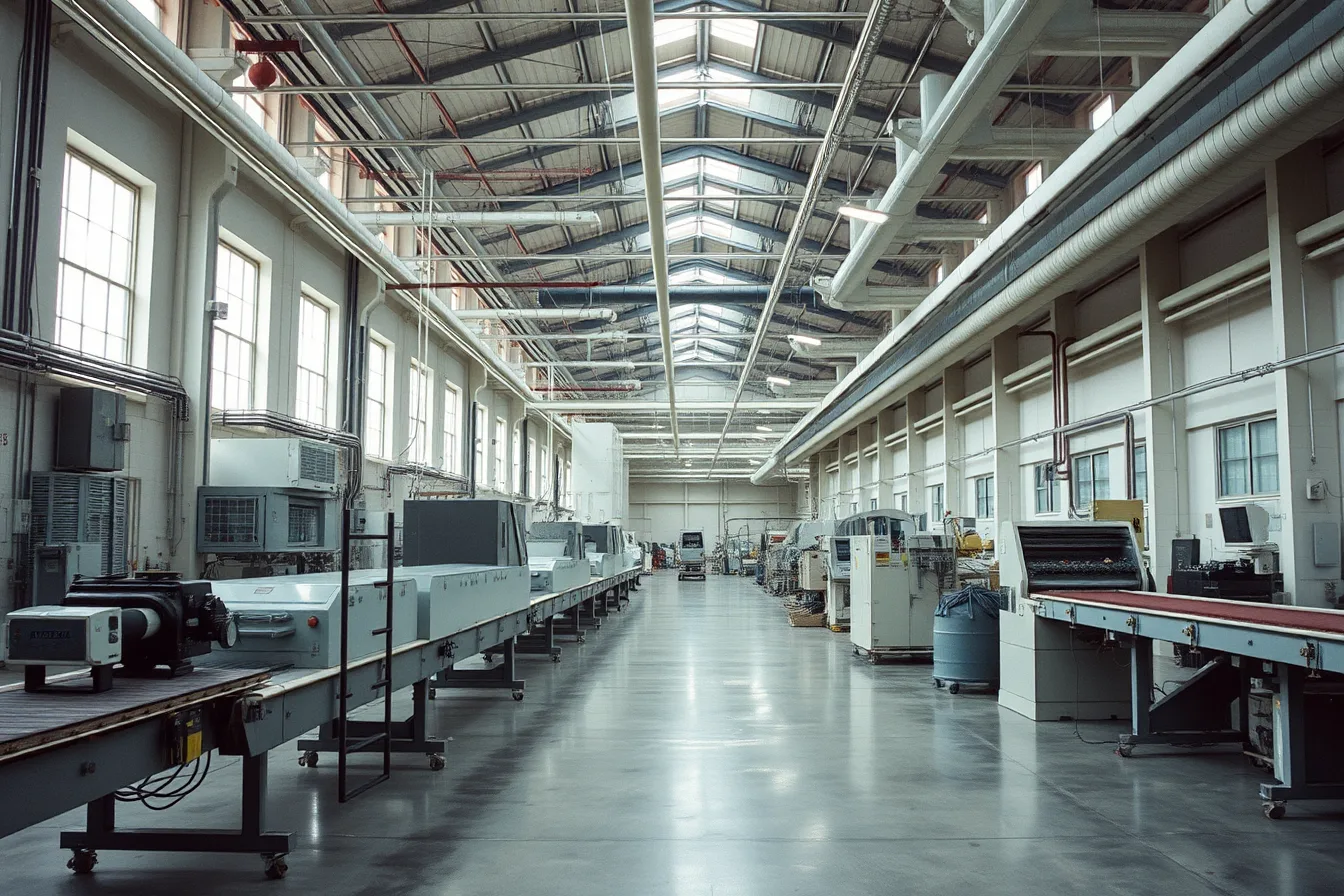
Plants shut for maintenance in summer and for the holidays in winter. The tours keep running through both, past machinery that is standing still.
What to take away
- Summer shutdowns are real. Ask whether the plant takes a maintenance break and when.
- Late December through early January is the other dead zone in most manufacturing.
- Spring and autumn are the reliable months for seeing a line actually running.
- Seasonal producers run flat out at harvest and cannot host anybody then.
Factory tours have a season, and it is set by production rather than by weather or tourism.
The plants are indoors and open all year. What changes is whether anything is moving inside them.
The two shutdown periods
Summer maintenance. Many plants take a week or two, frequently in July, to do work that cannot happen while the line runs. Tours sometimes continue through it, past silent machinery, without anybody mentioning that this is not the normal state.
Ford's Rouge complex in Dearborn, Michigan, and the Louisville Slugger factory in Kentucky are two plants that routinely open to visitors. Auto assembly across Michigan, Ohio and Indiana sets the wider pattern, because a July changeover there reaches every supplier below it.
Two Shutdown Periods
Summer
- When
- July
- Duration
- One to two weeks
- Line state
- Stopped
- Tours
- Often continue
- Ask
- Shutdown dates?
Winter holidays
- When
- Late Dec–early Jan
- Duration
- Reduced shifts either side
- Line state
- Winding down
- Tours
- Often continue
- Ask
- Shutdown dates?
The winter holidays. Late December into the first week of January, with reduced shifts either side.
In 2027 both windows land on awkward weekdays. Independence Day falls on a Sunday, observed on Monday, July 5, so maintenance weeks at the large auto plants cluster into the first half of July. Christmas Day is a Saturday, which pulls the winter break toward December 27 to 31, with most lines restarting Monday, January 3, 2028.
Seasonal producers are the opposite
Food processors, canneries, wineries and anything tied to a harvest are the reverse case. They are dead for months and then run twenty hours a day for six weeks.
Wineries in Napa and Sonoma, cranberry growers in Wisconsin and the salmon canneries of Alaska all keep that clock.
Seasonal Producers: Run vs Off-Season
During the run
- Activity
- Twenty hours a day
- Duration
- Six weeks
- Visit
- Spectacular, hard to arrange
- Staff
- Everyone working
Outside the run
- Activity
- Dead for months
- Duration
- Months
- Visit
- Easy, clean and empty
- Staff
- Available
Visiting during the run is spectacular and hard to arrange, because everyone is working. Visiting outside it is easy and shows you a clean, empty plant.
Decide which you want, and ask when their season is rather than assuming.
Spring and autumn
April to June and September to November are the months when regular production is most likely to be running normally, with full shifts and no shutdown.
Those are also comfortable months for driving between plants, which matters more than it sounds on a trip built from industrial districts. A loop through the New England mill towns or down the Ohio Valley can put two hours of road between one stop and the next.
Winter travel
The tours are indoors. Getting to them is not, and industrial regions include some of the harder winter driving in the country.
The National Weather Service's cold weather safety guidance covers exposure and vehicle preparation, and it is worth reading before a January trip through the upper Midwest or the northern Appalachians. The same service's wind safety pages are relevant on the open plains and along lake shores, where crosswinds make a rented van genuinely difficult.
Plan shorter legs in winter, start earlier, and accept that a day may be lost.
The year at a glance
| Period | Production | Notes for visitors |
|---|---|---|
| January | Restarting after holidays | Quiet, easy to book, hard driving |
| February to March | Normal | Reliable, few visitors |
| April to June | Normal, busy | The best window |
| July | Maintenance shutdowns common | Ask before booking |
| August | Normal, hot inside | Good, uncomfortable in heavy industry |
| September to November | Normal, busy | The other best window |
| December | Winding down | Avoid the last two weeks |
Booking through the seasons
Spring and autumn slots fill with school and college groups, so book three or four weeks ahead. Winter is easier: a few days of notice is usually enough, and a week covers a specific morning.
Summer sits between the two. Mid-August fills first, so book three or four weeks ahead there, and two weeks is normally enough in July.
The pacing that makes any of these days work is in planning without rushing, and the weekend costing shifts a little with the season, mostly through accommodation.