Guides
Part of The sector a factory sits in, not the tour itself, decides what readers pay
What to pack when a trip centers on factory tours, in plain terms
What to pack when a trip centers on factory tours: photo identification, closed shoes, and nothing loose. Food plants add hairnets and no jewelry.
What to take away
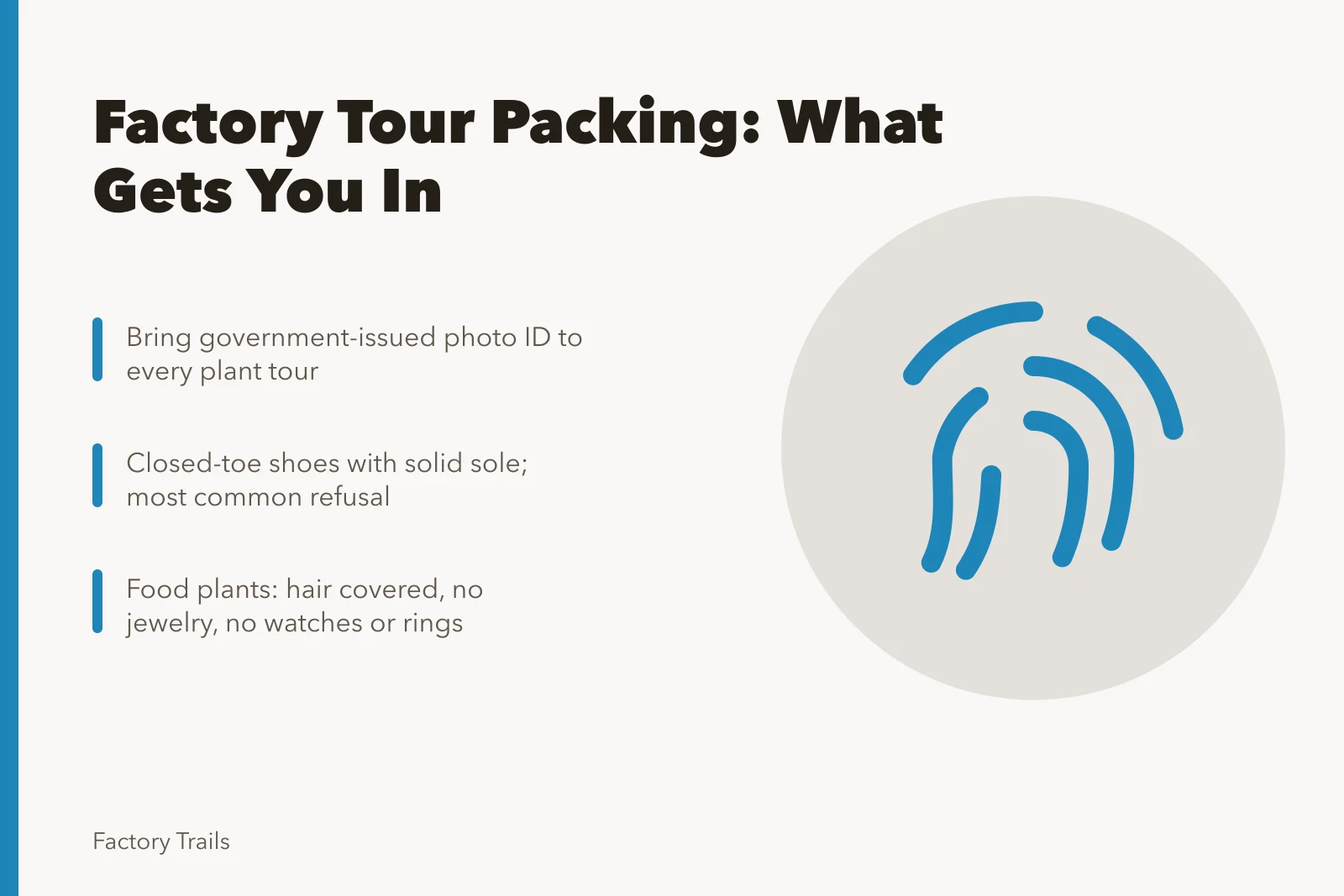
- Bring photo identification to every plant. Many check it, some check it in advance.
- Closed shoes with a proper sole. This is the rule that turns people away at the door.
- Food and pharmaceutical plants have hygiene rules that go beyond safety: no jewelry, hair covered, sometimes no makeup.
- Leave the bag in the car. Most plants will not let you carry one on the floor.
Factory tour packing is short and strict. The list is mostly about what you wear and what you can prove about yourself, rather than what you carry.
Identification
Bring a government-issued photo ID to every plant tour, including free ones.
Some sites check it against a booking list at the gate. Some require details in advance for site access, particularly at plants with defense, pharmaceutical or food safety obligations. Ask when booking whether they need anything ahead of time.
Clothing that gets you in
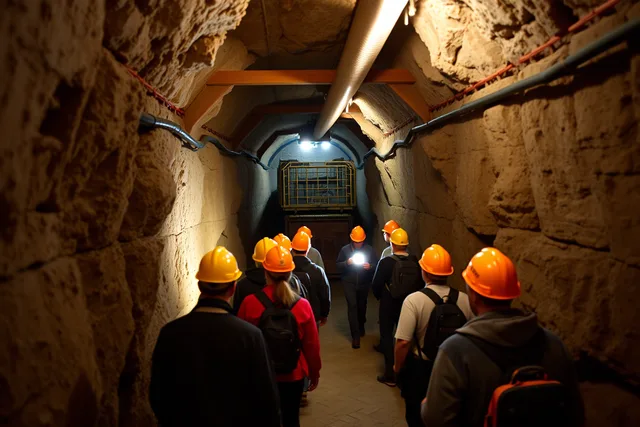
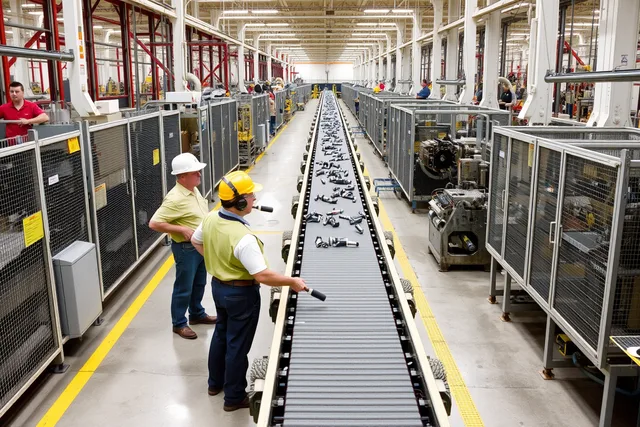
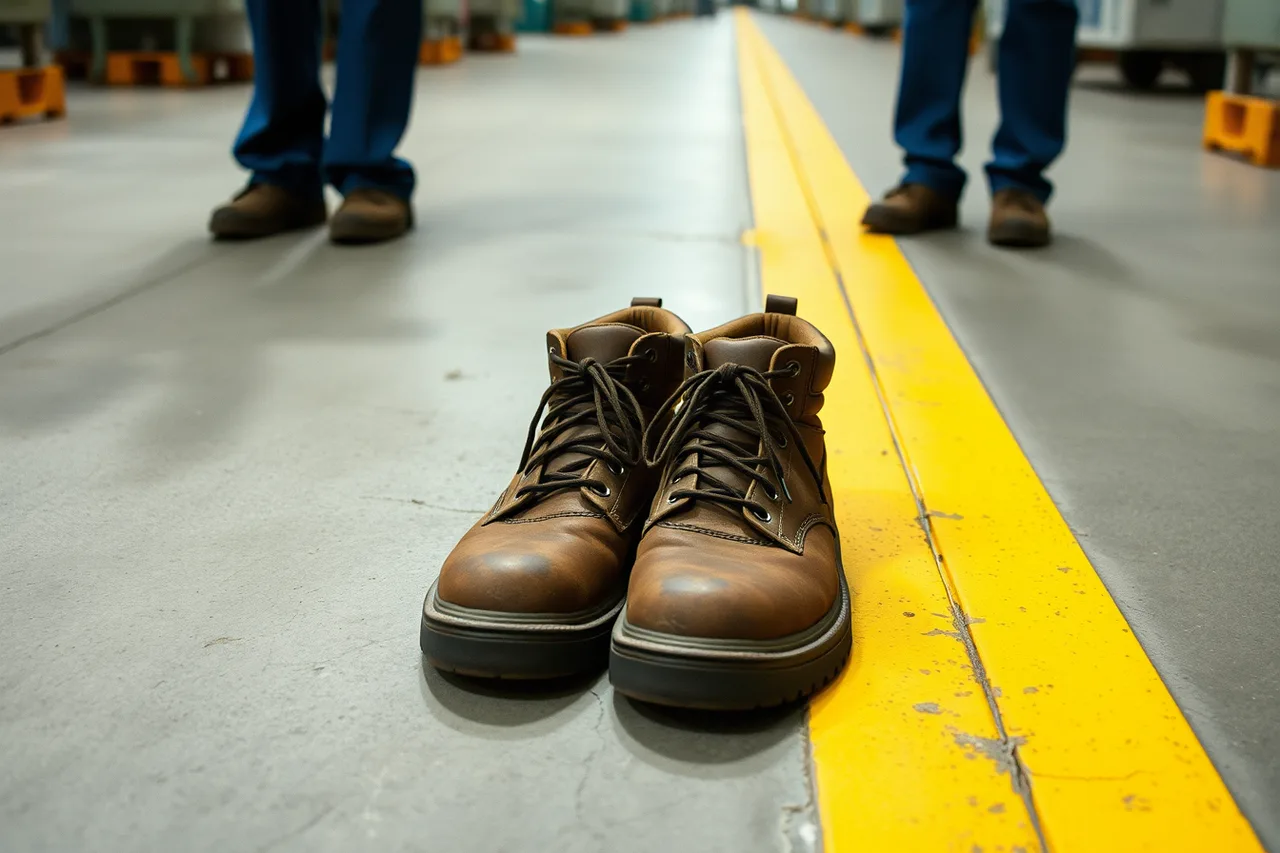
Closed-toe shoes with a solid sole. The single most common reason people are refused.
Long trousers at most industrial sites.
Nothing loose. No scarves, no long straps, no dangling jewelry, no untied hair.
Layers. Plants are hot near ovens and furnaces, cold in chilled areas, and frequently both on one route.
Hygiene rules in food and clean production
Food, drink and pharmaceutical plants add a second layer of rules that surprise first-time visitors, and they are not about your safety.
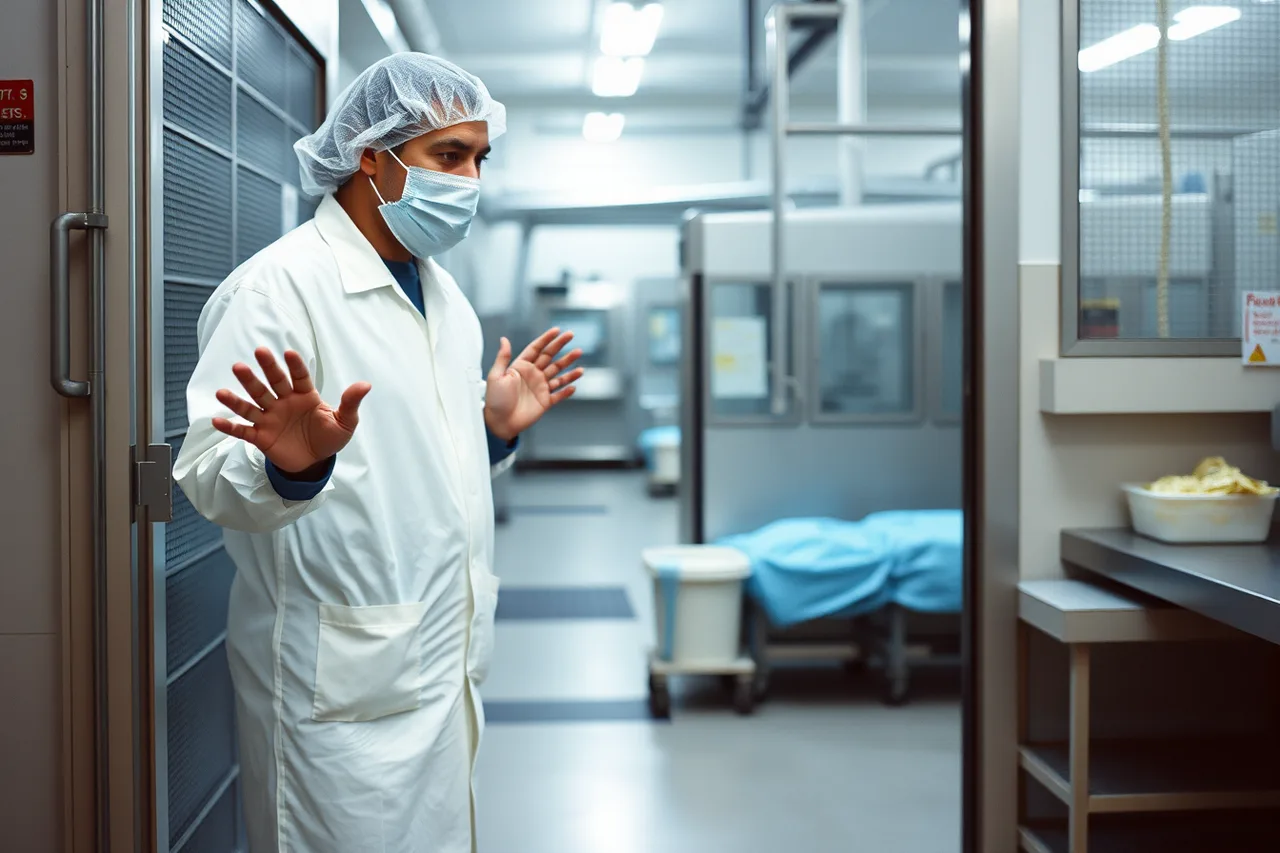
Hair covered, beards covered, no watches or rings, sometimes no makeup or nail polish, hands washed and sanitised at the door. Clean production areas go further still. The Occupational Safety and Health Administration's laboratory pages give a sense of how controlled environments are managed, and a pharmaceutical clean area operates on the same principle: keeping the environment uncontaminated by the people in it.
Expect to be given a coat, a hairnet and shoe covers, and expect to remove your own jewelry first.
Know what the plant handles
For heavy or chemical industry, it is worth knowing what the site works with before you visit, particularly if anyone in the group has a respiratory condition.
The Environmental Protection Agency's Toxics Release Inventory program collects reporting from industrial facilities on chemical releases and waste management, searchable by facility and location. It is not a reason to avoid a plant, and it is a reasonable thing to look at before taking a child with asthma into a foundry district.
What to carry, and what to leave
Carry: identification, a small notebook, a pencil, ear plugs, and glasses if you wear them.
Leave in the car: bags, tripods, food, drink, and anything you would mind losing. Most plants will not allow a bag on the floor, and lockers are not universal.
Ask about: cameras and phones. Photography is restricted at many working plants for commercial reasons, and a phone in a pocket is usually fine while a phone in your hand is not.
For a whole trip
Two pairs of the right shoes, so a wet day does not end the tours. A jacket for chilled areas. Ear plugs per person. Enough identification for everyone in the group, including teenagers.
The reason the rules are what they are is set out in the realistic plan for factory tours, and the pacing of a day matters more than any item on this list.