Costs
The sector a factory sits in, not the tour itself, decides what readers pay
Factory tour prices in 2027 track a plant's sector, not its size, and the ticket is usually the cheapest part of a family day out at the gate.
What to take away
- A consumer brand's visitor center is free or nearly free, because the tour is advertising.
- Industrial suppliers rarely run public tours at any price. The ones that do charge nothing.
- Underground and regulated sites charge most, and the money goes on supervision, not profit.
- The ticket is a rounding error. Travel, parking and a fixed time slot are the real cost.
- Prices below are illustrative 2026 figures. Confirm the current one with the operator.
Why the sector sets the price
The Bureau of Economic Analysis publishes industry-level output data showing how the sectors stack up. For a visitor the useful split is simpler: does the plant sell to you, or to another business?
Who does the plant sell to?
Does the plant sell to you?
Consumer brand: free or cheap tour, ends in shop
Industrial supplier: most run no tour, or free goodwill
Consumer brands sell to you. Food, drink, confectionery, vehicles, some clothing. The tour is marketing, so it is free or cheap, well organized, and ends in a shop.
Industrial suppliers sell to other businesses. Chemicals, components, machine tools, metals, plastics. There is no marketing case for a public tour, so most run none. Where one does, it is goodwill and it is free.
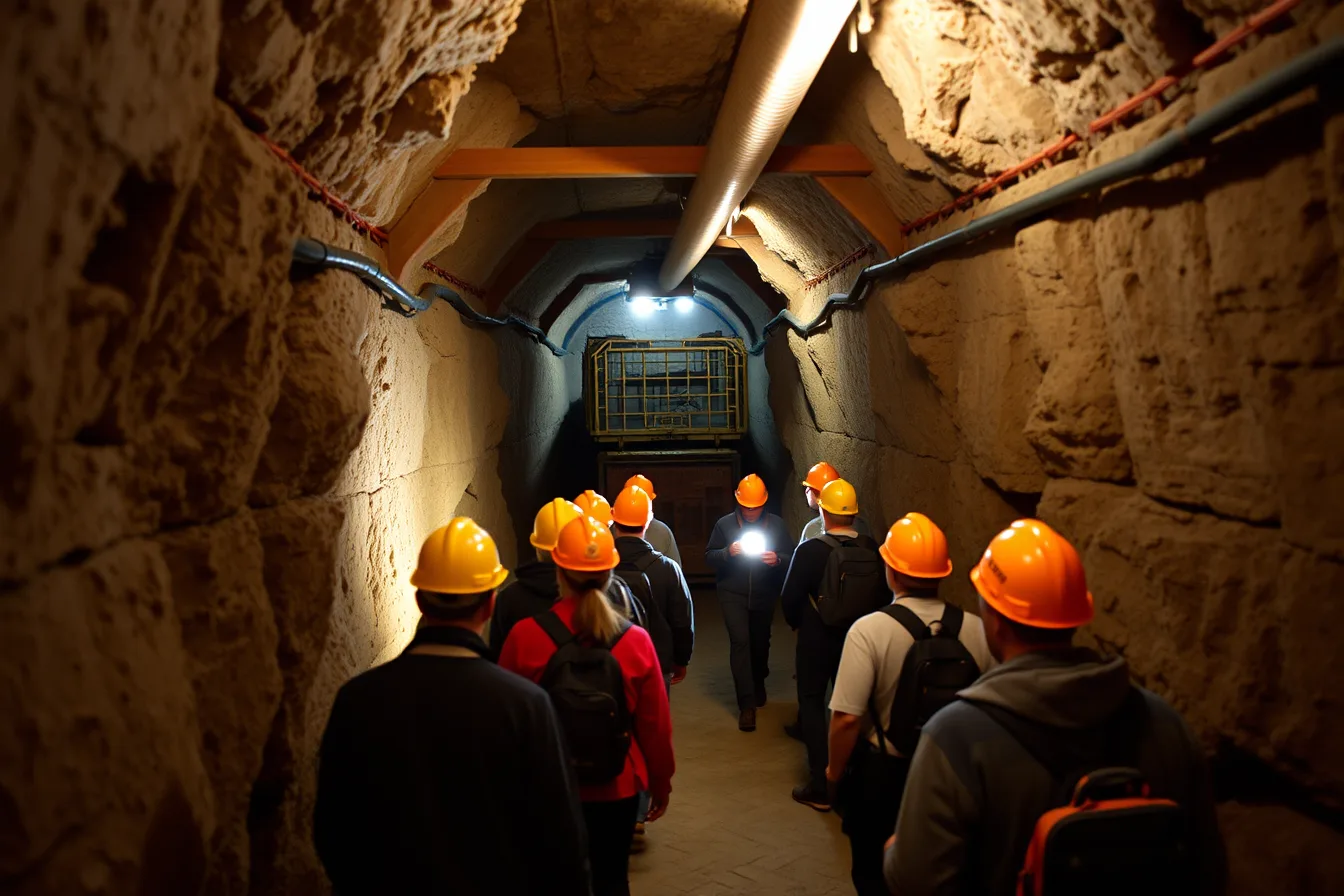
Regulated and hazardous sites sit apart. Mines, quarries, energy plants. Tours exist, they are supervised, and they cost more.
What named tours actually charge
These are illustrative 2026 figures, the kind of number a 2027 operator will adjust rather than reinvent.
What named tours charge
Site
- Jelly Belly, Fairfield
- Confectionery
- Boeing Future of Flight
- Aerospace assembly
- Britannia Mine Museum
- Former copper mine
- Sloss Furnaces
- Preserved iron works
- Pullman National Monument
- Planned industrial town
Sector
- Jelly Belly, Fairfield
- Free
- Boeing Future of Flight
- 20-30 dollars
- Britannia Mine Museum
- 30-40 dollars
- Sloss Furnaces
- Free entry
- Pullman National Monument
- Free
Illustrative price
- Jelly Belly, Fairfield
- Boeing Future of Flight
- Britannia Mine Museum
- Sloss Furnaces
- Pullman National Monument
| Site | Sector | Illustrative price | Why that price |
|---|---|---|---|
| Jelly Belly, Fairfield, California | Confectionery | Free | Marketing spend, shop at exit |
| Boeing Future of Flight, Everett, Washington | Aerospace assembly | About 20 to 30 dollars | Gallery build, timed entry |
| Britannia Mine Museum, British Columbia | Former copper mine | About 30 to 40 dollars | Underground train, guided tunnel |
| Sloss Furnaces, Birmingham, Alabama | Preserved iron works | Free entry | City-owned, volunteer guides |
| Pullman National Monument, Chicago | Planned industrial town | Free | National Park Service site |
Two patterns hold across the list. The consumer brand and the preserved site cost nothing. The site that walks you into a regulated or engineered space charges, and the charge is supervision.
Why the regulated ones charge
Escorting the public into a regulated workplace costs training, equipment and staff time. The Mine Safety and Health Administration's regulations show the framework operators work inside, and it is demanding.
A tour at such a site is not a sideline. It is an activity planned around a safety regime, with an escort ratio and a route that has to be walked before visitors arrive.
Thirty dollars for a properly run underground tour is cheap for what it involves. Confirm the current figure with the site's own booking page.
The cost that is not money
Time is the real currency. A fixed tour slot means the day is built around a ninety-minute window, and that is what a factory tour actually costs you.
Travel is second. Plants sit in industrial districts an hour from anywhere pleasant, and that mileage is most of the trip's budget.
Neither shows up in the ticket price. Both should shape the itinerary. The worked example of a whole weekend is in what a well-planned weekend costs.
What to check before assuming a price
Whether the tour is free but ticketed, and whether the ticket is timed. Whether parking costs. Whether a shop sits at the exit. Whether a premium option reaches areas the standard route skips or is merely longer.
Ask whether the line is running on your date. A plant shut for July or December maintenance still sells tickets, and a silent line is a different day out. The line-by-line breakdown covers where the money goes.
Common questions
Why would a plant give tours away?
A visitor who has watched the product made buys it for years. It is one of the cheapest marketing budgets a brand has, and the shop at the exit is where it pays back.
Can I pay a small manufacturer for their time?
Offer. Most decline and appreciate being asked, and some will accept a donation to a local cause. Ask the plant's own contact, not a booking platform.
Are premium tours worth it?
When they include areas the standard tour skips, yes. When they are simply longer, rarely. Ask what the extra covers before you pay.
Do prices change much year to year?
Little. These are not yield-managed attractions, and many hold the same price for years. Check the operator's page before you travel, since a stale figure is the most common error in tour write-ups.
In this guide
- Driving quietly eats most of a factory tours weekend budget, not the ticketsA worked weekend: two plants, one museum, two nights. The tickets come to almost nothing and the driving quietly accounts for most of the bill.
- One factory tour a day, compared with a packed schedule, wins every timeHow to plan factory tours without rushing the trip: one tour a day, arrive early, and leave the afternoon loose. Plant tours are more physically demanding than they.
- Factory tours keep running through shutdown weeks, summer compared with winterPlants shut for maintenance in summer and for the holidays in winter. The tours keep running through both, past machinery that is standing still.
- What to pack when a trip centers on factory tours, in plain termsWhat to pack when a trip centers on factory tours: photo identification, closed shoes, and nothing loose. Food plants add hairnets and no jewelry.
- Getting factory tours cost right the first timeFactory tours costs: line by line, with the ways to cut each one. The largest saving is not a cheaper room, it is choosing plants that sit close enough together.