Guides
Factory tours safety checklist: what U.S. visitors should confirm before 2027 trips
Factory tour safety checklist for 2027 helps U.S. visitors confirm public boundaries, site conditions, group readiness, travel choices, and a safe fallback.
What to take away
- Confirm the exact public program by name on the site's own page before you pay.
- Re-check the current conditions page 30 days out, then again 48 hours before travel.
- Ask in writing about footwear, eye protection, barriers, age limits and access.
- Set one public meeting point, one adult for each child, and a fallback confirmed open that day.
- Treat a closed door, a barrier or a staff entrance as a stop sign.
Confirm the exact public program before booking
Write down the activity you are buying: guided tour, exhibit, demonstration, visitor-center program or marked self-guided route. Reputation does not create access. Hershey's Chocolate World in Pennsylvania is a visitor center attraction, and the working factory beside it is not open for public tours.
Work through this list with the organization responsible for the visit:
- Activity name, start time and expected duration
- Public entrance and visitor parking, not a service drive
- Ticket typetimed entry, refundable or same-day only
- Age limits, group size cap, bag rules and photo ID rules
- Route surface, stairs and the nearest restrooms
- A named contact for accessibility questions
Confirm public experience
- Name the exact activity
- Find visitor entry point
- Check start time and reservations
- Review age or group requirements
- Remove unconfirmed places
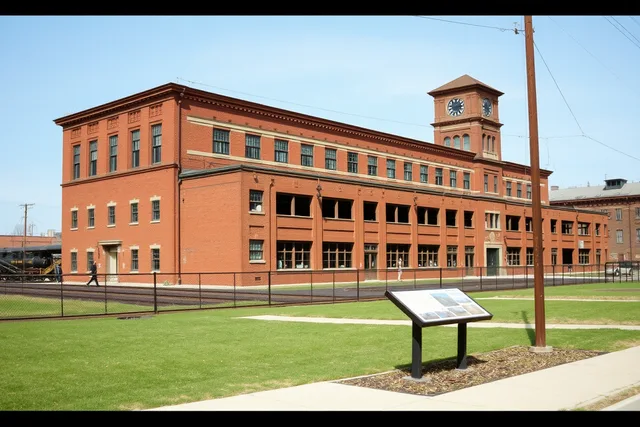
If a page never states that the public may enter, drop the stop. An exterior view in an article is context, not an invitation. Good Safety planning begins with the same question: is this a real program, or just a building?
Named U.S. sites and the programs they publish
| Site | Public program | Confirm before 2027 |
|---|---|---|
| Saugus Iron Works NHS, Massachusetts | National Park Service grounds and historic ironworks | Posted rules on machinery, water and moving equipment |
| Sloss Furnaces, Birmingham, Alabama | Former iron furnace open as a public historic site | Whether your day is guided or self-guided |
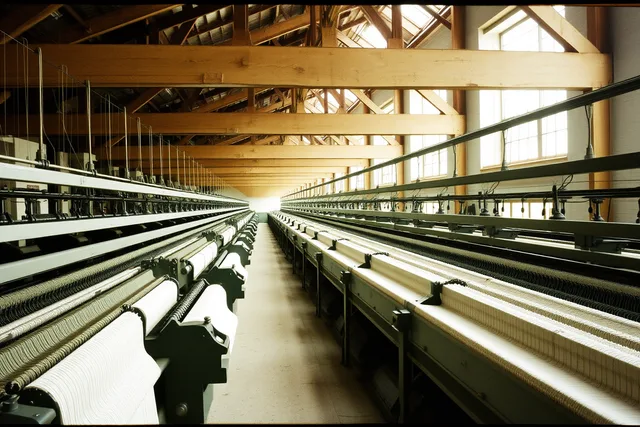
| Lowell National Historical Park, Massachusetts | Working textile mill exhibits and tours | Which buildings are open and at what times |
| U.S. Mint, Philadelphia and Denver | Visitor programs at production facilities | Tour status, booking method, ID and bag rules |
| Hershey's Chocolate World, Pennsylvania | Visitor center attraction beside the plant | That the factory itself is not a public tour |
Start with the site's own safety page, not a travel summary. The Saugus Iron Works safety page tells visitors not to climb waterwheels or historic machinery, and warns about water and moving equipment. Copy the habit of checking, not the wording.
Sloss Furnaces shows a second model: a decommissioned furnace that now receives the public. Sloss Furnaces background and visiting notes sit beside a wider set of Alabama industrial sites, and Alabama industrial heritage sites covers what lies beyond the furnace.
Example: dated checks for a 2027 trip
Two checks do most of the work, and both carry a date.
- 30 days out, open the booking page and the current conditions page together, then save both as screenshots.
- 7 days out, email the visitor line and ask about route closures, staffing and the wet-weather plan.
- 48 hours out, confirm the start time, meeting point and refund window, then print the confirmation.
Tours fill and cancel. A printed confirmation beats a tab you trust your phone to keep.
Footwear, eye protection and the rules behind them
Site rules usually trace back to hazards, not preference. OSHA 1910.132 requires employers to supply protective equipment wherever hazards exist. That duty binds the operator, yet it marks what the operator treats as dangerous on your route. OSHA general PPE requirements set out the principle.
Two rules matter most to visitors. OSHA 1910.136 covers foot protection where objects can fall or roll. OSHA 1910.133 covers eye and face protection. A "closed-toe shoes only" line on a tour page is the same hazard, written for you.
Ask who supplies what. Many sites hand out safety glasses and expect you to bring boots, so get that answer early.
What to do when something goes wrong
Tell staff first. Tour staff control access and follow the site's emergency procedure, and an injury needs a call to 911. Do not re-enter a restricted area to search for a separated person. Use the public meeting point you set before arrival.
Give each child a card with an adult phone number, and agree that nobody leaves the site alone. Split groups and improvised routes are the common factory visit mistakes that turn a good tour into a lost afternoon.
A sold-out or canceled tour is not a reason to walk the fence line. Move to a fallback you confirmed as open that day, such as a visitor center, a museum gallery or a marked route.
Booking, refunds and access questions
Timed tickets, group caps and cancellation windows vary by operator, so get the policy in writing. Use the accessibility contact rather than the general line, and ask about surface, seating, restrooms and quiet space.
For 2027, ask whether the booking vendor, screening step or tour season changed since your last visit. Some federal facilities request photo ID and restrict bags, so confirm both on the site's page.
If the trip covers several stops, industrial heritage travel planning sets out how to judge which sites earn a full day.