Guides
A guide to Alabama's industrial heritage sites beyond Sloss Furnaces
Alabama industrial heritage sites beyond Sloss Furnaces fill a three-day loop: Birmingham iron and steel, Huntsville rocket plants and the Muscle Shoals studios.
What to take away
- Three hubs carry most of Alabama's industrial storyBirmingham iron and steel, Huntsville rocket plants, and the Muscle Shoals recording studios.
- A three-day loop covers all three at a workable pace, and two days forces a cut.
- Birmingham to Huntsville is about 1 hour 45 minutes by car, so short mileage still eats a morning.
- Studio tours and working plants take advance bookings, while furnace ruins and public parks usually do not.
- Every duration below is a planning estimate, not a posted opening time.
What this route assumes
The loop assumes a car, three days, and a first night in Birmingham. Driving totals roughly 300 miles, mostly on I-65 and I-565. Fly-in travelers arrive at Birmingham-Shuttlesworth or Huntsville International, each within an hour of the first stops.
Industrial heritage covers mills, mines, furnaces and the towns that grew around them, so what still stands shapes the plan. Readers who want a wider frame before fixing dates can turn to Industrial Heritage Travel Help, which sets out what this sort of trip demands.
Day one, Birmingham's iron works
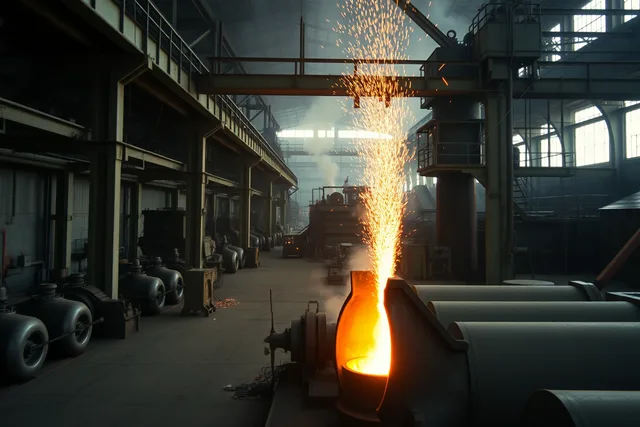
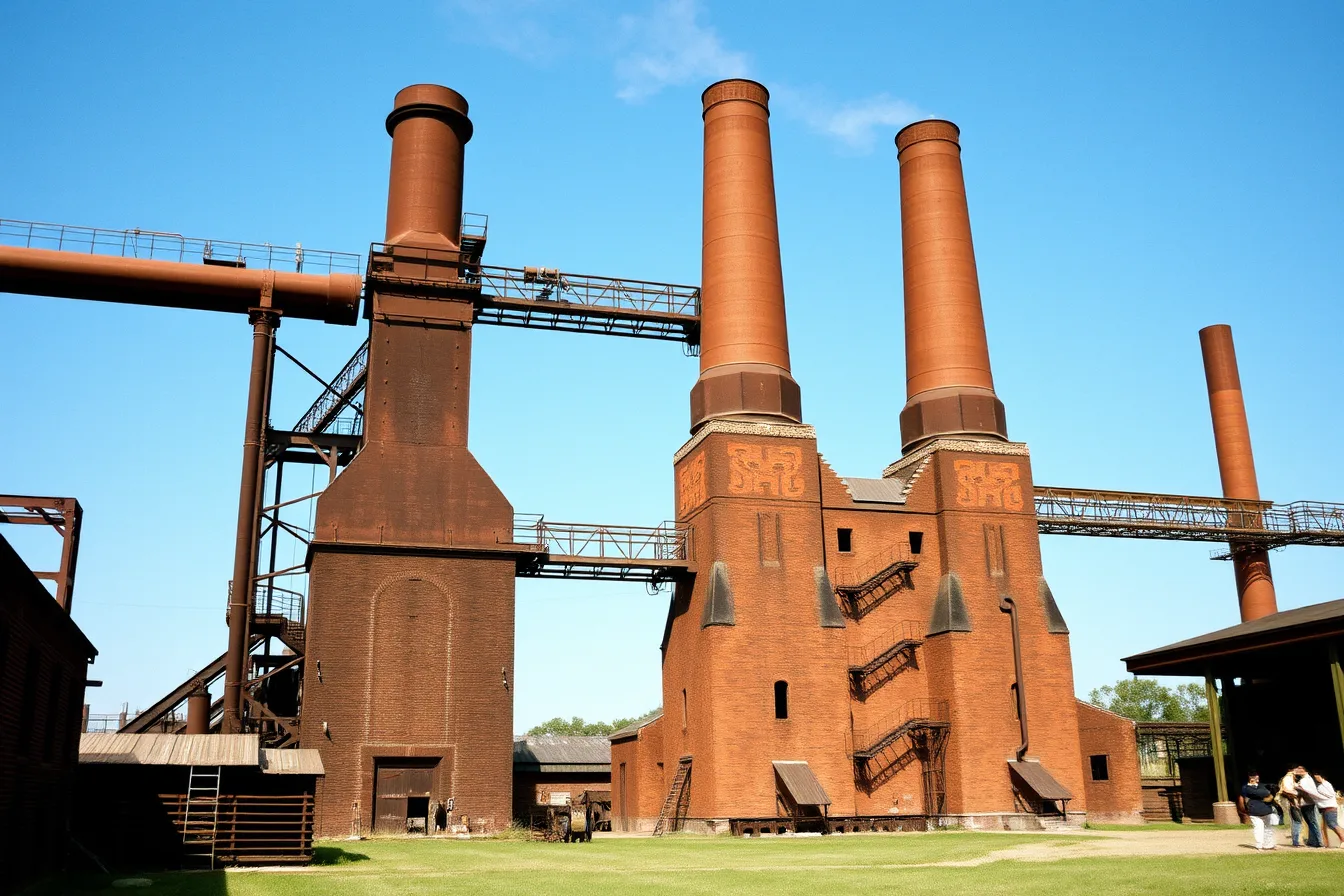
Sloss Furnaces made pig iron from 1882 to 1971, and the works now run as a city museum on a National Historic Landmark site. Two hours on the grounds covers the stoves, the cast sheds and the blower house.
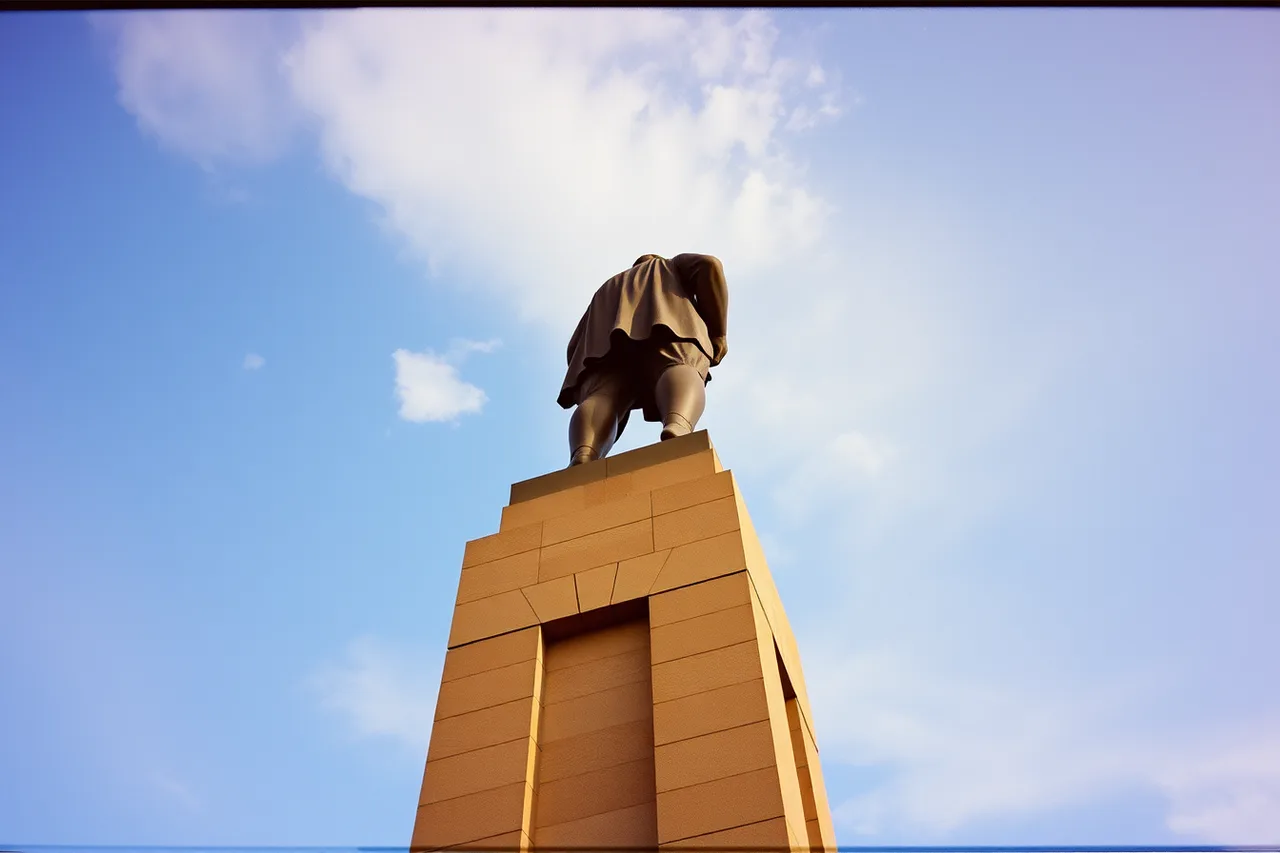
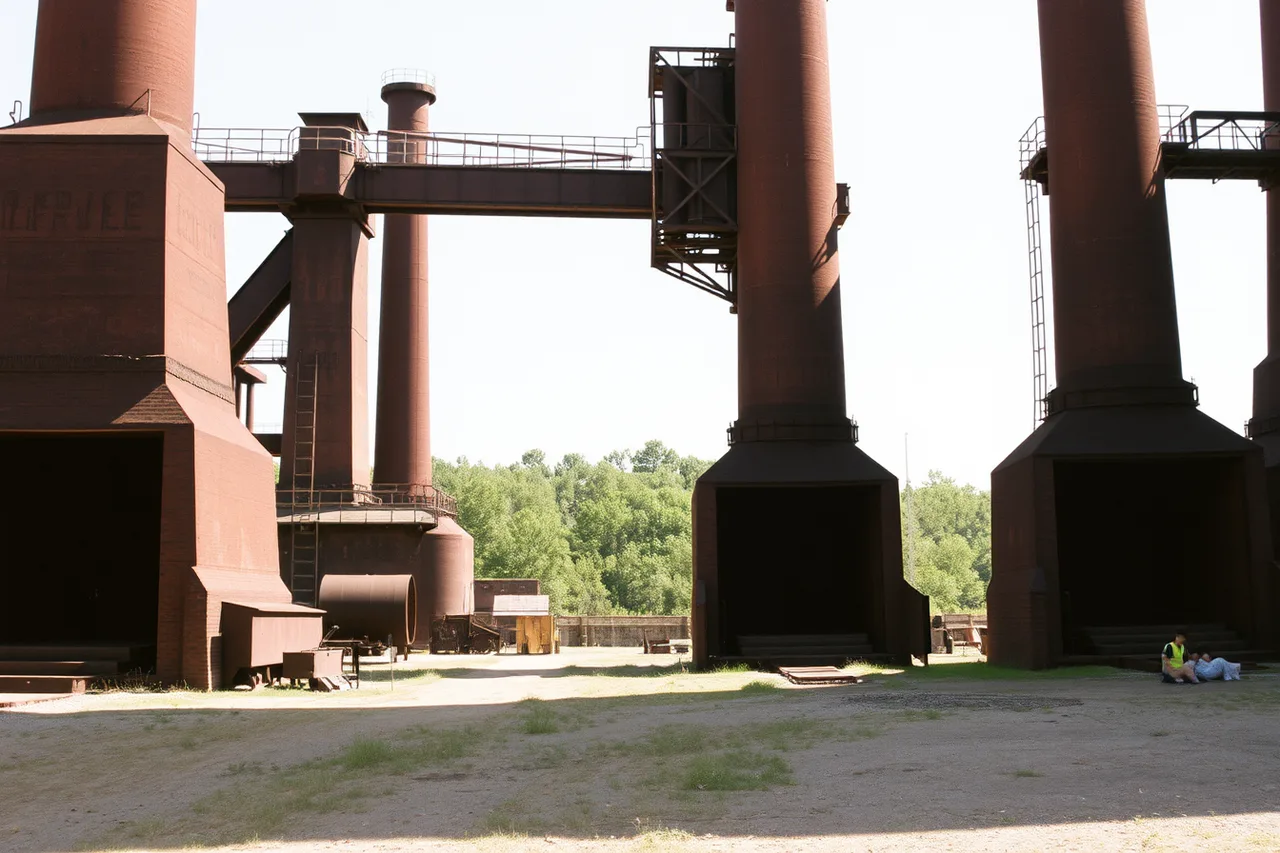
A short drive south, Vulcan Park and Museum holds the cast iron statue made from Birmingham ore for the 1904 World's Fair. Red Mountain Park preserves the ore mines that fed the furnaces, with trails over old workings.
Three stops, three durations:
- Sloss Furnaces, 2 hours.
- Vulcan Park and Museum, 1 hour.
- Red Mountain Park, 90 minutes on foot.
Most surrounding steel towns, Ensley and Bessemer among them, survive as neighborhoods rather than attractions. The three stops above fill half a day with very little driving between them.
Day two, Huntsville rockets and a mill
Drive from Birmingham to Huntsville: about 1 hour 45 minutes, roughly 100 miles.
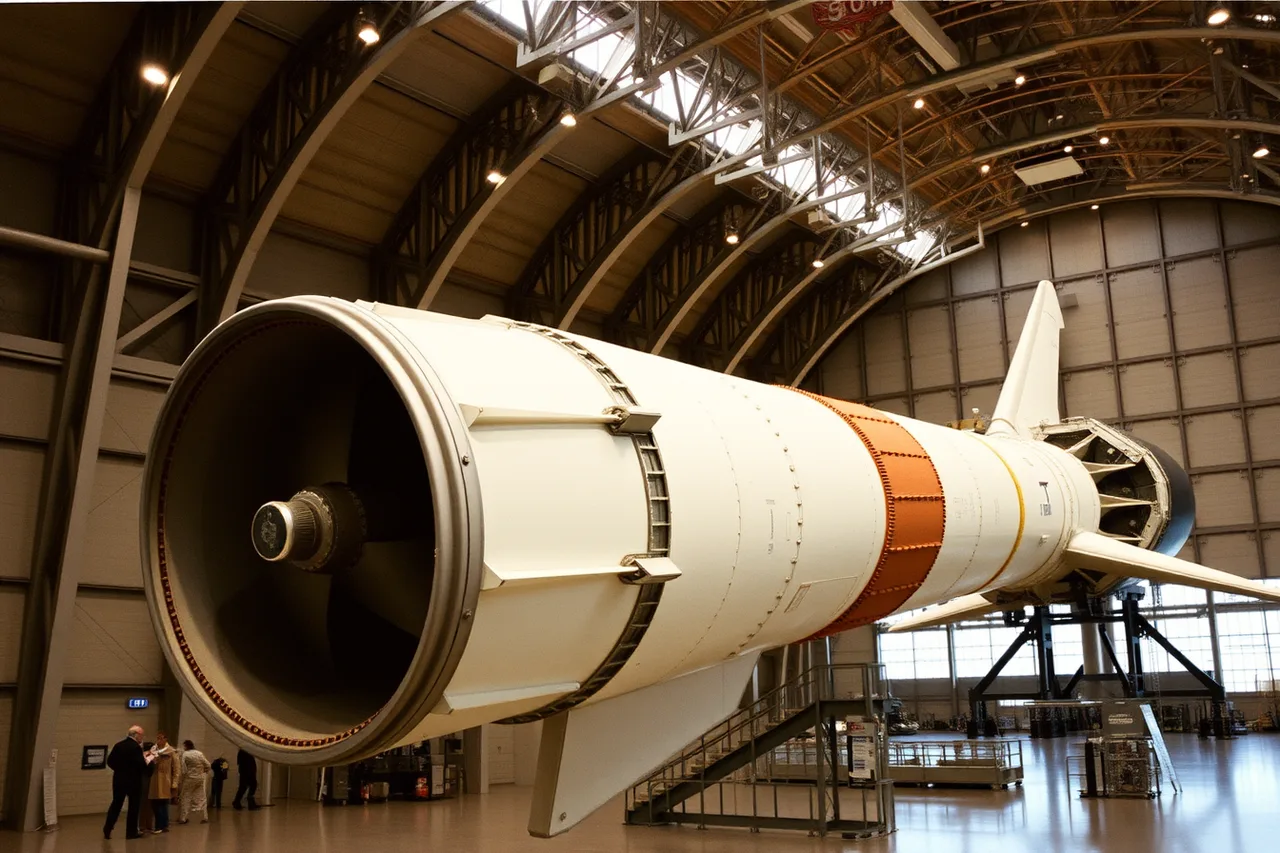
The U.S. Space & Rocket Center deserves three hours, including the Saturn V hall and the outdoor rocket park. Marshall Space Flight Center bus tours have run in past seasons, but the schedule follows operations, so confirm before you drive out. If the bus tour timing feels uncertain, factory tour safety questions help you decide when to adjust a route or pause a stop.
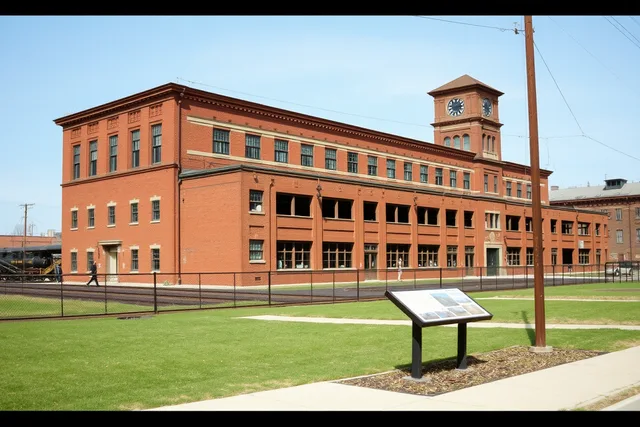
Lowe Mill ARTS & Entertainment occupies a former textile mill and now holds studios, shops and small businesses. Ninety minutes covers a walk through and a coffee.
Lowe Mill is a working building rather than a display case, and Help for Manufacturing Museums shows what changes at a site that still has tenants.
The 1860 depot downtown adds about 45 minutes.
Day three, Muscle Shoals studios and Wilson Dam
Drive from Huntsville: about 1 hour 30 minutes, roughly 75 miles.
Muscle Shoals Sound Studio at 3614 Jackson Highway and FAME Studios both run scheduled tours, and both take advance bookings rather than walk-ups. Plan 60 to 90 minutes at each, and check whether both run on the same day.
The two studios sit a few miles apart, so the pair fits one afternoon. The Alabama Music Hall of Fame in Tuscumbia adds 90 minutes and covers the wider roster of state musicians. Wilson Dam, finished in 1924 and now a National Historic Landmark, is a 45 minute stop above the Tennessee River.
Tours led by a person are the ones people remember, and Industrial Interpretation Help explains what separates a working guide from a script read aloud.
What to cut when time is short
Tannehill Ironworks Historical State Park is the first cut. It sits about 35 minutes southwest of Birmingham, off the loop, and one furnace ruin does not repay the detour on a three-day run.
Inside Huntsville, drop the depot before Lowe Mill, because the mill explains the city's economy before rockets arrived. At Muscle Shoals, Wilson Dam is the stop to lose if the studio tours run long.
Two days is not a three-day trip with the middle removed. It is a different route with a different center.
Alabama's National Historic Landmark list reaches well outside these three hubs, which is the honest way to plan a second visit.
Getting between the stops
The legs below assume light traffic and one driver. None of it is a posted schedule.
| Leg | Drive time | Time on site |
|---|---|---|
| Birmingham to Sloss Furnaces | 10 minutes | 2 hours |
| Birmingham to Huntsville | 1 hour 45 minutes | 5 hours |
| Huntsville to Muscle Shoals | 1 hour 30 minutes | 4 hours |
| Muscle Shoals to Birmingham | 2 hours | 0 |
Groups should read Factory Tour Help before booking, since clubs and school parties meet different rules than solo visitors do.