Guides
How the National Register lists American industrial sites
Historic factories appear in National Park Service National Register records and weekly NRHP listings by county, the tools for finding mills and grain elevators.
What to take away
- Historic factories are listed by the National Park Service National Register records, which you can search by county to find mills, foundries and grain elevators near you.
- Weekly NRHP listings by county arrive every Friday and name newly listed sites, including industrial ones, before many tourism pages catch up.
- A listing does not mean a site runs tours or sits open to the public; ownership, safety and funding decide access.
- Use the Federal Register topics index and current issue to track rules that affect industrial heritage sites.
- Federal agencies that manage national heritage sites are described on USAGov, a plain starting point for jurisdiction questions.
How the National Register of Historic Places lists an American industrial site
The National Register of Historic Places is the federal list of districts, sites, buildings, structures and objects deemed worthy of preservation. It is run by the National Park Service. A mill, foundry or grain elevator enters the list through a nomination prepared by a state historic preservation office, a federal agency or a tribe.
How a site gets listed
- Research construction date, machinery, owners
- State historic preservation officer reviews file
- File forwarded to Keeper in Washington, D.C.
- Keeper decides within set review period
Listing criteria cover four areas: association with events, association with people, distinctive construction or design, and information potential. An industrial site often qualifies under design and information. A 19th century foundry may qualify because its cupola, crane rail and pattern shop survive together.
Listing is honorary. It does trigger review when federal money, permits or licenses are involved, under Section 106 of the National Historic Preservation Act. That review can slow demolition but does not ban it.
For travelers, the practical result is a paper trail. The nomination file, photographs and maps become public records. You can read them before a visit to know what machinery or building fabric remains. That record is often richer than a roadside marker.
Searching National Park Service National Register records by county
The National Park Service National Register records live in an online database called NPGallery, plus a separate weekly list archive. Both are free. Neither requires an account. You can search by state, county, resource name, reference number or keyword. The NPGallery National Register collection sits at npgallery.nps.gov/nrhp. The weekly list archive sits at nps.gov/subjects/nationalregister/weekly-list.htm.
In NPGallery, the search boxes read Reference Number, Resource Name, State and County. Pair a county with its state to pull the whole county list.
Start with the county search. County boundaries matter because state historic preservation offices file by county, and rural industrial sites often sit outside city limits. A search for a county seat may miss a grain elevator six miles down a rail line.
Here is a workable sequence for a county you plan to visit.
County search sequence
- Open National Register database, choose state
- Set county filter, scan for industrial terms
- Note reference number, download nomination PDF
- Read boundary description and significance statement
- Check owner type for access differences
A worked example helps. Sloss Furnaces, a blast furnace site in Jefferson County, Alabama, is listed under reference number 72000162.
The file will say whether the site is a district or a single building. That distinction tells you how much you can walk around.
Some state historic preservation offices keep their own GIS viewers with parcel boundaries and survey dates. These are useful when the federal record is thin. Cross-check the address before you drive.
If you want a regional starting point, work county by county. Jefferson County holds Sloss Furnaces. A look at Alabama's industrial heritage sites shows how iron and steel nominations translate into an actual visit.
Reading weekly NRHP listings for mills, foundries and grain elevators
Every Friday, the National Park Service publishes weekly NRHP listings by county. Each notice names newly listed properties, their counties and their reference numbers. The list is short, often a few pages, and it is the earliest public signal that a site has cleared review.
Weekly NRHP listings by county are useful for three groups. Local researchers can catch a nomination before the state publishes a brochure. Travelers can add a site to a route while it is still obscure. Preservation advocates can watch for industrial properties in their area.
The notices use standardized language. A listing might read as a mill, a foundry, a grain elevator or a factory complex. Watch for the words boundary increase and additional documentation, which mean an existing listing has changed. Those changes can add acreage or correct a date.
Industrial property types in listings
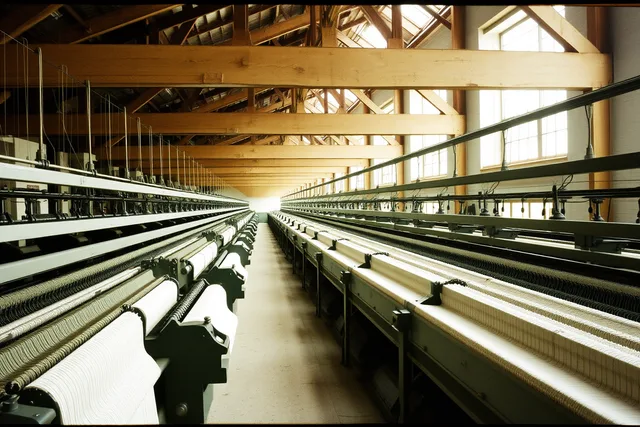
Mills
- Power
- Water or steam
- Key parts
- Raceways, tailraces
- Building
- Complex
- Also listed
- Water rights
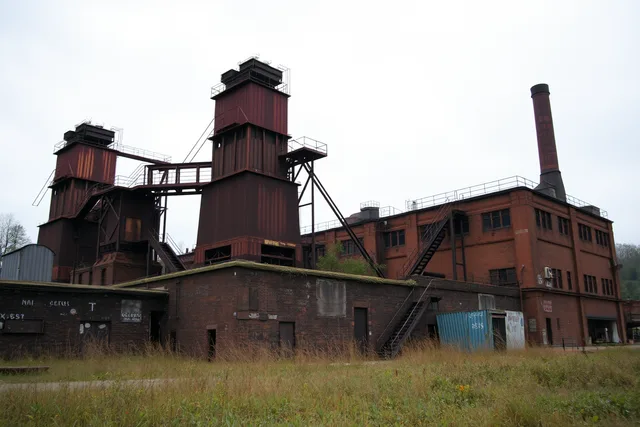
Foundries
- Power
- Heavy floors
- Key parts
- Crane bays
- Building
- Brick or concrete
- Also listed
- Cupolas
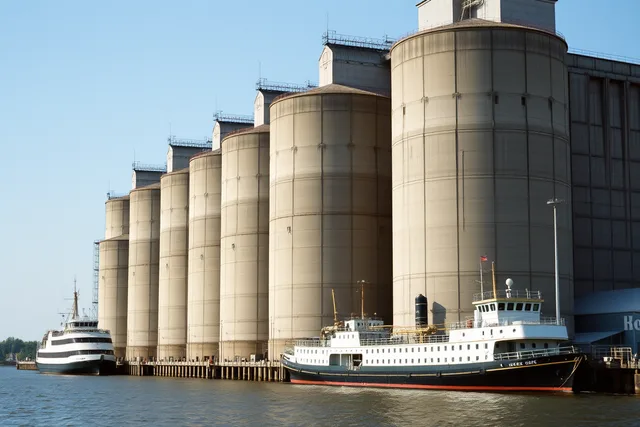
Grain elevators
- Power
- Concrete or tile
- Key parts
- Silo groups
- Building
- Headhouses
- Also listed
- Scale houses
Weekly listings do not carry tour hours or phone numbers. They carry legal descriptions. Treat them as a lead, not a plan. The next step is the nomination file and the owner.
For travelers building a route, pair the weekly list with a seasonal plan. Reports on a factory tour maintenance plan show how weather and harvest cycles change what you can actually see at an open site.
Which listed historic factories run tours and which sit open to the public
A listed historic factory can fall into one of four access categories. Knowing the category before you drive saves a wasted trip.
Which access category?
Does the site run a visitor program?
Working plant with tours
Is it a museum in a former plant?
The first category is a working plant with a visitor program. These are rare and usually large, with safety staff and designated walkways. Tours may require closed-toe shoes, reservations and a photo ID.
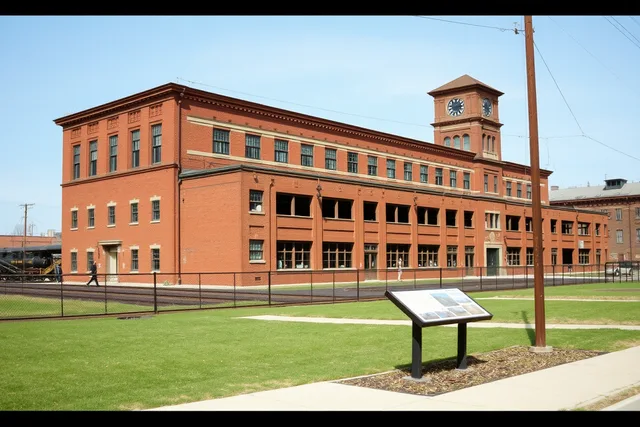
The second category is a museum housed in a former plant. The building is listed, the machinery may be original, and the site is open on a published schedule. Admission is often charged.
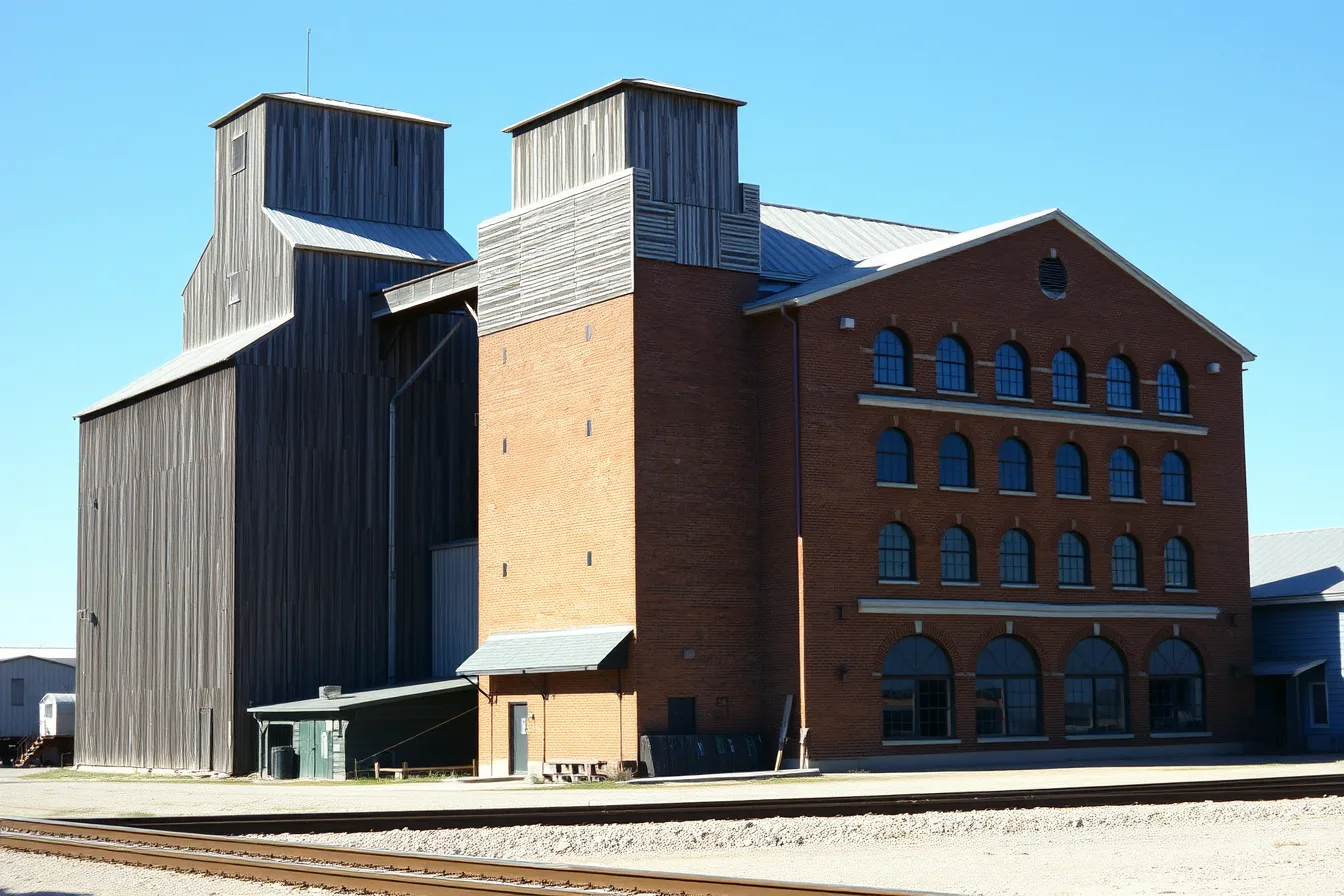
The third category is a site that sits open to the public as a park or trail. A grain elevator may anchor a riverfront greenway. A foundry ruin may be fenced but visible from a path. There may be no staff and no restrooms.
The fourth category is a private, active industrial property. It is listed but closed. You can photograph from a public road and read the nomination file, and that is the whole visit.
How do you tell which is which? Call the owner or the local historical society. Check the state historic preservation office website. Look for a parks department page.
The pairing idea matters here. A working plant and its historic twin can sit in the same county, one producing and one preserved. An itinerary built around that split works because you see the process and the artifact in one trip.
Public access also varies by region. A Massachusetts mill may be a museum with regular hours. A Michigan foundry may be a fenced private site. A California plant may be a National Park Service unit with rangers. The rules follow ownership, not the listing.
A short list of listed industrial sites that run tours today:
- Sloss Furnaces, Alabama. Free self-guided walk over the furnace grounds, run by the city.
- Saugus Iron Works National Historic Site, Massachusetts. Free ranger programs on a published schedule.
- Lowell National Historical Park, Massachusetts. Mill and canal tours run by the National Park Service, some by reservation.
- Carrie Blast Furnaces, Pennsylvania. Guided seasonal tours run by a nonprofit.
- Ford Rouge Factory Tour, Michigan. Paid tour of a working plant, seen from elevated walkways.
Using the Federal Register to track National Register and preservation rules
The Federal Register is the daily journal of the federal government. Preservation rules that affect industrial sites appear there before they take effect. Search it by plant name or company name when you need the rule history behind a listed site.
Use the Federal Register topics index to find rules by subject. Search for historic preservation, National Register or National Historic Preservation Act. The index groups documents so you can follow a rule from proposal to final.
For day-to-day tracking, open the current Federal Register issue. It shows what published today, including notices from the National Park Service and the Advisory Council on Historic Preservation. A listing notice or a boundary change can appear there.
If you are new to the format, read Understanding the Federal Register. It explains the difference between a rule, a proposed rule and a notice, and how comment periods work. That matters when a rule could affect access at an industrial site.
Presidential documents are a separate section. They cover national monument designations, which can include industrial heritage sites. A monument designation can change management and access, so it is worth watching if you travel for this subject.
Federal agencies that manage national heritage sites are described in a USAGov government overview. The page explains which department runs which sites, useful when you cannot tell whether a property is National Park Service, state or private.
The Federal Register is a legal record, not a tourism tool. Read it to know why a listed plant closed or why a preservation rule now applies to it.
From listing to visitor access: what designation does and does not guarantee
Listing can help an owner qualify for federal preservation tax incentives and grants. It can also bring scrutiny when federal actions are involved.
Access depends on money and liability. A private owner may keep a listed foundry closed because of insurance, OSHA rules or proprietary processes. A nonprofit may open a mill on weekends with volunteers. A city may open a grain elevator site as a park if it can fund maintenance.
Safety rules shape what you can see. Active industrial sites fall under OSHA jurisdiction, and tours must route visitors away from operating equipment. Even a preserved plant may limit access to upper floors or catwalks. Expect hard hats, glasses or closed shoes at working sites.
Environmental rules matter too. EPA regulations can affect cleanup at former industrial properties, and that work can close a site for years. A brownfield cleanup may end with a public trail, or it may end with a fence.
Season and staffing decide hours. Many industrial heritage sites in the Northeast and Midwest open from late spring to early fall. Southern sites may run year-round but limit summer hours. Industrial heritage travel splits along those lines, and a winter visit to a cold-climate mill often means a locked gate.
The honest summary: a National Register listing is a research tool and a preservation signal. Use the records to find candidates, then verify access with the owner or managing agency before you go.