Features
Pittsburgh vs Birmingham steel heritage trails compared
Industrial heritage sites in Pittsburgh and Birmingham differ on price, access and what you can touch, from Carrie Blast Furnaces to Sloss Furnaces.
What to take away
- The two industrial heritage sites worth building a steel trail around are the Carrie Blast Furnaces in Pittsburgh and Sloss Furnaces in Birmingham.
- Named operatorsRivers of Steel runs Carrie; Sloss Furnaces staff, Sloss Metal Arts, Vulcan Park and Museum and Red Mountain Park cover Birmingham; Pittsburgh History and Landmarks Foundation and Doors Open Pittsburgh add city tours.
- Both trails sit on coal and iron country that the Energy Information Administration documents.
- Pairing the cities takes three to five days, because the drive is about 12 hours.
Two steel cities, two trails: Pittsburgh and Birmingham compared
Pittsburgh and Birmingham grew on the same recipe: iron ore, limestone, coal, rail and rivers. Pittsburgh had the Monongahela Valley and the Carnegie empire. Birmingham had Red Mountain, where ore, coal and limestone sit within a few miles of each other.
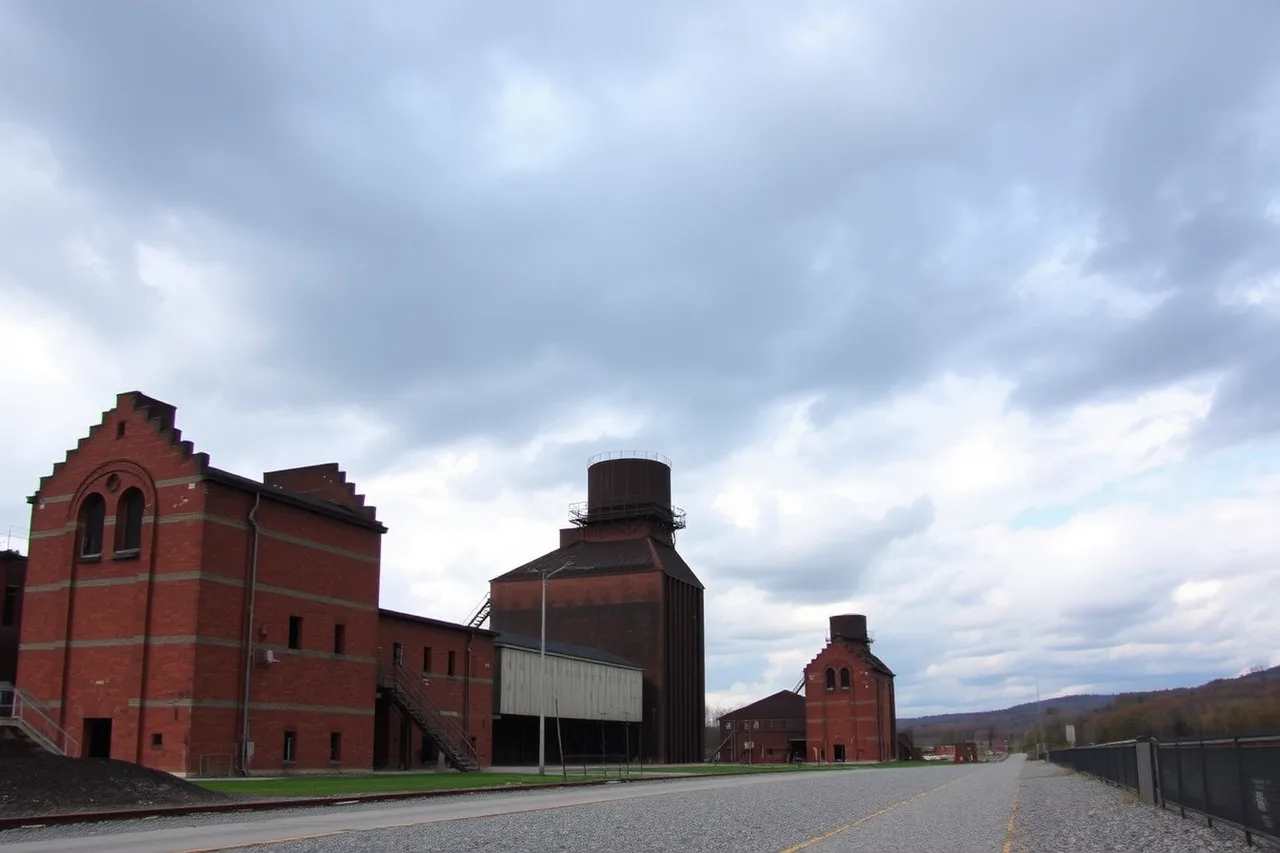
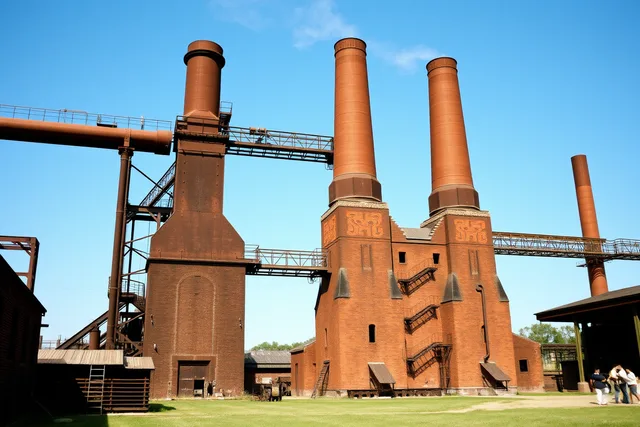
That geology shaped the trails you walk today. Pittsburgh's surviving furnaces are mostly ruins preserved as art and event space. Birmingham's Sloss Furnaces is a preserved complex inside the city grid, minutes from downtown.
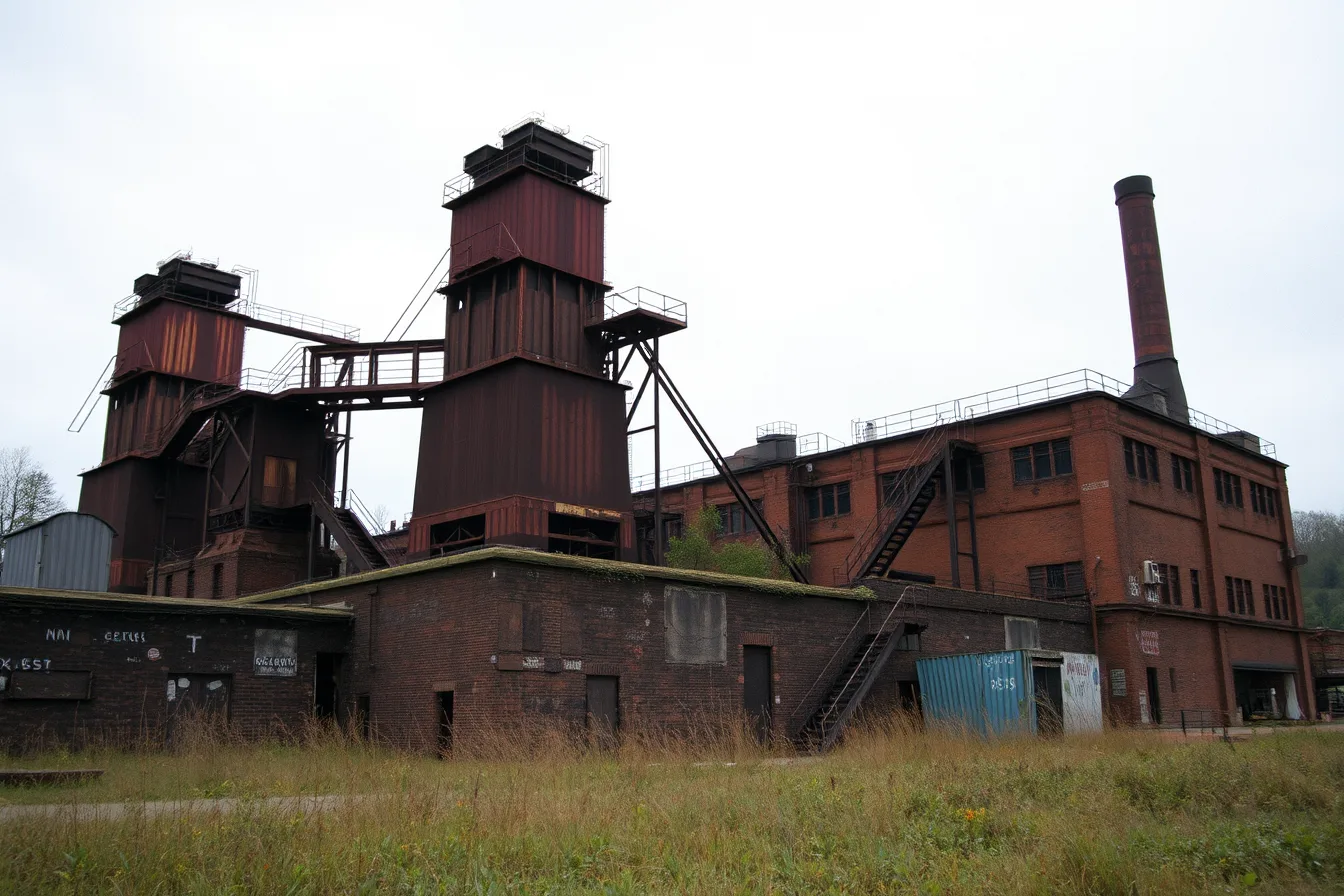
The practical difference matters more than the history. Pittsburgh's Carrie Blast Furnaces sit in Swissvale, east of downtown, on a site managed by Rivers of Steel. Sloss Furnaces National Historic Landmark sits at 20 32nd Street North in Birmingham.
Both are on the National Register of Historic Places. Both are interpreted by a nonprofit or a city department rather than by a single federal agency. The National Park Service lists industrial heritage sites across the country, but neither of these two is a full NPS unit.
Safety is part of the story at both. Blast furnace work killed people in each city, and the Workers Memorial page from the Occupational Safety and Health Administration is worth reading before you walk a site where workers died.
Ticket prices and what each industrial heritage site lets visitors touch
Prices change, and both sites price by tour type. Treat the figures below as the posted structure, then confirm with the operator before you buy.
Tour or access
- Rivers of Steel, Carrie Blast Furnaces
- Blast Furnace Tour, 90 minutes guided
- Rivers of Steel, Carrie Blast Furnaces
- Hard Hat Tour and evening specialty tours
- Rivers of Steel, Explorer riverboat
- Cruise past the furnace site
- Sloss Furnaces site staff
- Guided site tour
- Sloss Furnaces site staff
- Self-guided grounds walk
- Sloss Metal Arts
- Iron casting workshop
- Vulcan Park and Museum
- Museum and Vulcan tower
Listed price
- Rivers of Steel, Carrie Blast Furnaces
- $30 adult, $25 senior and student, $15 child
- Rivers of Steel, Carrie Blast Furnaces
- About $40
- Rivers of Steel, Explorer riverboat
- From about $20
- Sloss Furnaces site staff
- $10 adult, $8 senior and student, $5 child
- Sloss Furnaces site staff
- Free
- Sloss Metal Arts
- From about $60
- Vulcan Park and Museum
- About $8 adult
What you can touch
- Rivers of Steel, Carrie Blast Furnaces
- Grounds, stairs, railings, cast house brick, exterior of the shells
- Rivers of Steel, Carrie Blast Furnaces
- Same route plus interior access when staff open it
- Rivers of Steel, Explorer riverboat
- Nothing industrial; a view from the water
- Sloss Furnaces site staff
- Cast house floor, iron troughs, stove bases, machinery housings
- Sloss Furnaces site staff
- The same outdoor areas during posted hours
- Sloss Metal Arts
- Sand molds, crucibles and a pour you help run
- Vulcan Park and Museum
- Exhibits, tower base and observation deck
That price gap is not a quality gap. Carrie charges for staff-led access to a stabilized ruin with restricted entry. Sloss can keep the grounds free because the city carries the site and rentals subsidize operations.
Rivers of Steel tours at the Carrie Blast Furnaces
Rivers of Steel is the nonprofit operator of the Carrie Blast Furnaces National Historic Landmark in Swissvale, Pennsylvania. The furnaces were part of the Homestead Works complex and poured iron for most of the twentieth century.
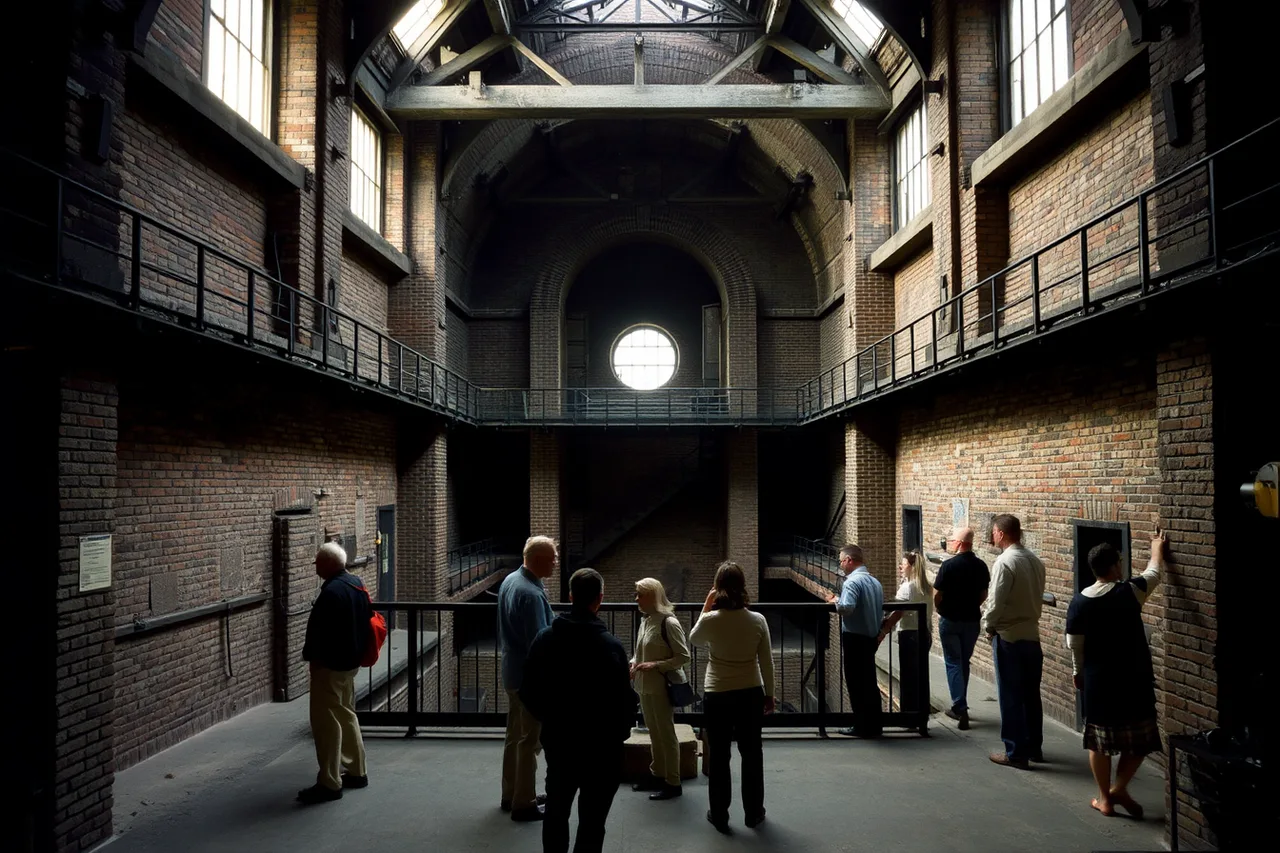
Rivers of Steel sells four main products at the site. The Blast Furnace Tour is the 90 minute staff-led walk, the Hard Hat Tour adds interior access, the evening and photography tours run seasonally, and the Explorer riverboat passes the site from the water.
Listed prices for the guided Blast Furnace Tour are $30 for adults, $25 for seniors and students, and $15 for children. Hard Hat and specialty evening tours list near $40, and Explorer cruises start around $20. Prices move, so check the operator's page before you buy.
Rivers of Steel also runs the Bost Building in Homestead, so one organization can fill a full day. If you want a second operator in the region, look at itineraries that pair a plant and its historic twin.
What you touch at Carrie is real but bounded. You stand inside the stabilized cast house, put a hand on the brick and the railings, and look up into the furnace shells from approved points. Interior climbs are closed.
Book ahead. Carrie tours sell out on weekends, and the site only opens when staff or volunteers are present. Wear closed shoes and expect gravel, uneven ground and stairs.
Sloss Furnaces National Historic Landmark and its tour operators
Sloss Furnaces National Historic Landmark is owned by the City of Birmingham and run as a museum and event venue. It produced pig iron from the 1880s into the early 1970s.
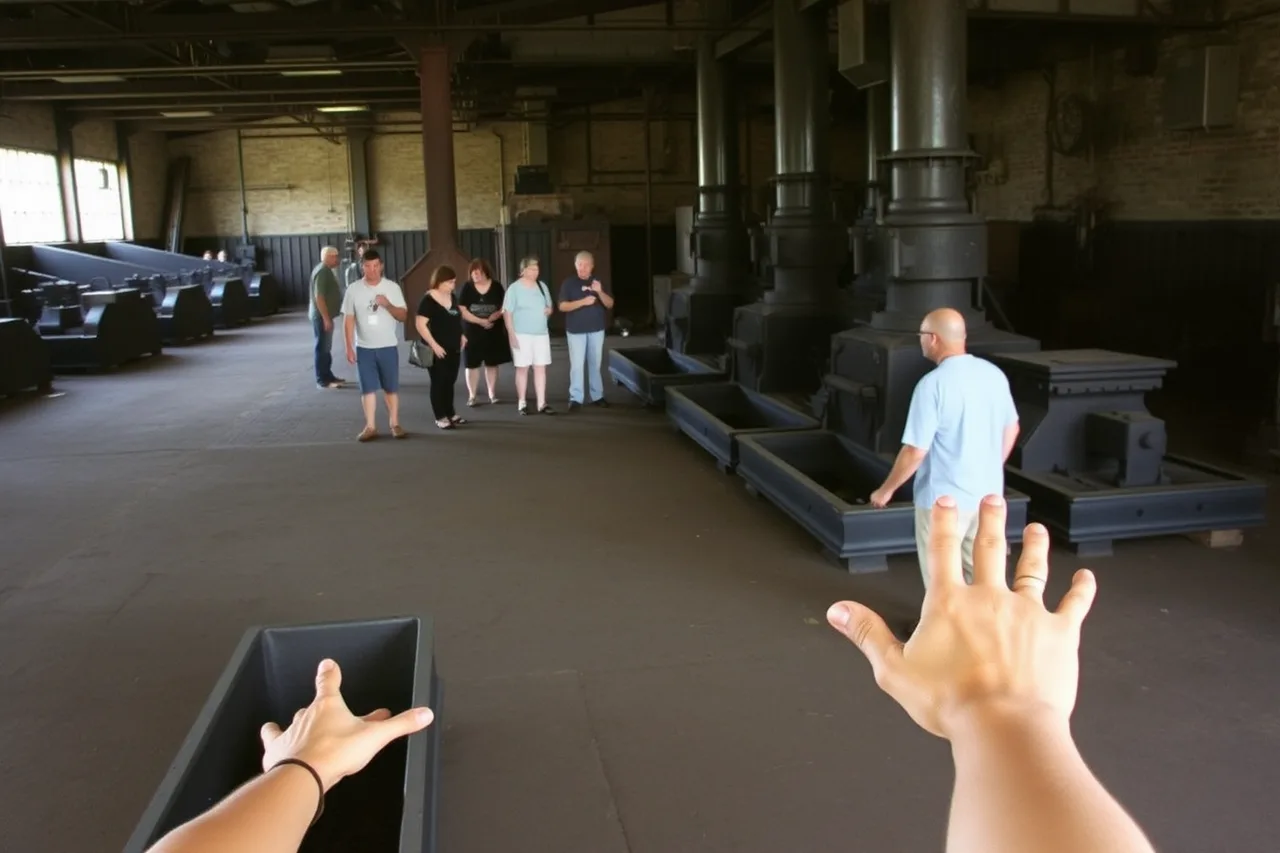
The first operator is the site itself. Sloss staff lead guided tours during posted hours at $10 for adults, $8 for seniors and students, and $5 for children. The grounds stay free to walk, and the visitor center covers the technology and the labor history.
The second is Sloss Metal Arts, the site's own casting program. Participants ram sand molds, watch a cupola or furnace pour and finish an iron piece, with workshops listed from about $60 per person.
Two more named operators round out a Birmingham day. Vulcan Park and Museum runs the Vulcan tower and museum for about $8 per adult, and Red Mountain Park runs the trail network over the old ore mines. Local heritage groups also run walking tours that stop at Sloss.
For more options across the state, see the guide to Alabama's industrial heritage sites beyond Sloss Furnaces.
What you touch at Sloss is broader than at Carrie. You walk the cast house floor, put both hands on the iron troughs, stand at the base of the stoves and reach the machinery housings. Some structures are open to walk through.
Sloss is a working event site, so check the calendar. Concerts and private rentals can close sections of the grounds on short notice.
Getting between Pittsburgh and Birmingham
Flights between Pittsburgh International (PIT) and Birmingham-Shuttlesworth International (BHM) connect through a hub. Typical one-stop trips run four to six hours gate to gate, usually through Atlanta, Charlotte or Chicago. Compare fares for your dates before you fix the order of the trip.
Flying into one city and home from the other avoids a wasted return leg. One-way car rentals between the two airports usually carry a drop fee, so price that against a second flight before you book.
The drive is about 12 hours each way, and the natural overnight stop falls near Louisville or Nashville. Two drivers can cover it in one long day. One driver should plan the stop.
Coal and steel context from EIA data behind both trails
The trails exist because of coal, and the Energy Information Administration publishes the coal data that explains both regions. Pennsylvania and Alabama are both coal states, and both fed iron furnaces with local product.
Pittsburgh's furnaces burned Connellsville coke, made from coal south of the city. Birmingham's furnaces burned Alabama coal from nearby seams. The short haul from mine to furnace is why Birmingham could undercut Pittsburgh on pig iron for a time.
The National Institute of Standards and Technology works on materials topics that include steel and metals, and that research traces to the same industrial era that built both cities.
If you want to compare how a modern plant and a preserved ruin tell the same story, read the comparison of working factory visits at opposite ends of the energy scale.
Pairing the two cities into one industrial heritage itinerary
You cannot do Pittsburgh and Birmingham in one day. Plan three to five days, or split the trip in two.
A Pittsburgh day starts at the Carrie Blast Furnaces, adds the Bost Building in Homestead and the Explorer riverboat, then finishes at the Senator John Heinz History Center. A Birmingham day starts at Sloss, adds Vulcan Park and Red Mountain Park, then downtown.
Use this checklist before you book either trail.
- Confirm tour dates and prices with the operator, not a third party
- Check whether grounds are closed for a private event
- Read accessibility notes for stairs, gravel and uneven ground
- Wear closed shoes and bring water for summer heat
- Budget for parking and a rental car in both cities
- Leave time for the visitor center, not just the furnaces
- Book Sloss Metal Arts workshops weeks ahead
Rivers of Steel and Sloss Furnaces both publish their own tour calendars, so book with the operator rather than a reseller. The industrial heritage travel time guide covers when fixed site hours are easiest to work around. That is often the difference between seeing two sites and seeing four.
For a wider view of the agencies that manage heritage and public land, the USAGov overview of the U.S. and its government is a useful starting point.