Guides
Industrial heritage travel fundamentals: how to plan a visit that holds up
Industrial heritage travel fundamentals for 2027 help U.S. readers plan thoughtful visits with specific records, local context, access checks, and source limits.
What to take away
- Anchor the trip on a named site and its responsible visitor page, not on a photograph or a route map.
- Keep historical records and current visitor pages in separate columns from the first day of research.
- Treat every industrial property as private or working until its owner publishes otherwise.
- Expect free park grounds and paid special tours. Confirm fees, timing and entry rules before you commit a day.
- Write down the source, the date checked, and the limit of each record.
Build a source map before you pick a destination
A source map matches each record to the question it can answer. Is the place open today? Use a current visitor page. What did the mill mean in 1911? Use a catalogue, map, or heritage record. A pre-departure industrial heritage travel checklist keeps that map to one page.
Source types and limits
Source type
- Official visitor page
- Published access details
- Museum or archive record
- Cataloged object or description
- National Register record
- Documented history and significance
- Local transit page
- Published route or service
- Business page
- Stated service or event
What it may support
- Official visitor page
- Conditions after update date
- Museum or archive record
- Current operating status
- National Register record
- Permission to enter property
- Local transit page
- Recommendation to visit
- Business page
- Independent quality or availability
What it does not establish
- Official visitor page
- Museum or archive record
- National Register record
- Local transit page
- Business page
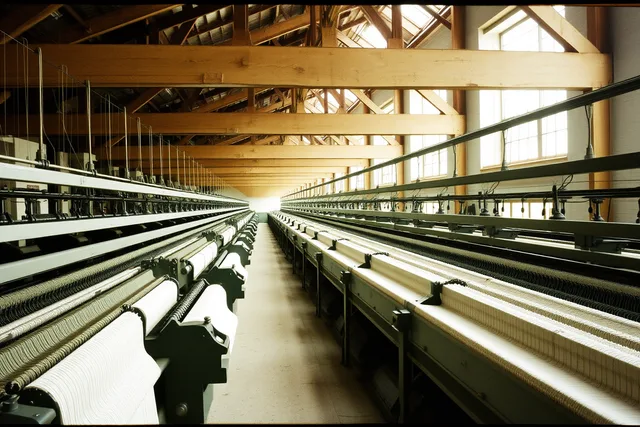
Then test the map on a real place. Lowell National Historical Park in Massachusetts protects textile mills and runs a working loom exhibit inside a city that never stopped operating. The park publishes its own hours, tour times, and fees, so check Lowell National Historical Park directly. A labor history book cannot answer an access question.
A dated catalogue entry and a live ticket page do different jobs. Confusing the two is the most common planning error on an industrial trip.
Keep a short research record
Log six fields for each candidate stop: place, source, date checked, what the record supports, what it does not confirm, and the trigger for a recheck. One filled line beats a page of notes.
Trip research record fields
- Sourcedirect link or citation
- Date checkedmonth and year
- Place namedexact site or collection
- What the record supports
- What it does not confirm
- Recheck before travel
Lowell National Historical Park, official park page. Checked 12 March. Confirms published hours and the current tour listing. Does not confirm same-day staffing. Recheck two days before arrival.
That line keeps a historical claim away from a live visitor detail. A 2027 industrial heritage care checklist shows how the same fields keep a records review ready when a page changes.
Plan fewer stops than you think you can cover
- Pick one primary stop that answers your research question.
- Add a public fallback within an hour, such as a town museum or a library local history room.
- Add a second fallback for closed days, such as an archive reading room or an online collection.
- Note the change and refund rule before you pay for timed entry.
A modest day with one strong stop beats four rushed ones. Leave the last hour free for a walk through the town the industry built.
Example: three sites, three access situations
Hershey's Chocolate World in Pennsylvania is a visitor center beside a plant. Chocolate World sits apart from the factory, and the factory itself is not open for public tours. Many brand visits follow that pattern.
Canada is the second market worth checking. The Royal Canadian Mint runs production tours in Winnipeg, while its Ottawa site is a smaller boutique mint with a different offer. Compare both before you plan a border crossing.
Sloss Furnaces in Birmingham, Alabama is a preserved iron-making site with staffed visiting hours and public programming. It is a heritage site now, not a working furnace, and a guide to Alabama industrial heritage sites maps what sits nearby.
One block of access rules
Private property and active plants carry different rules from a public trail. Posted signs, staff instructions, and local guidance outrank any article or image caption.
Inside working plants, U.S. safety rules such as OSHA 1910.132 on general protective equipment can require safety glasses and closed-toe footwear. Ask before you photograph workers. A visible exterior is not an invitation to walk the yard.
Timing, tickets and typical costs
Northern mill, mine, and canal sites peak from roughly May to September. Winter hours shrink and some tours stop entirely.
| Cost or timing item | Typical pattern | What to confirm |
|---|---|---|
| Park grounds | No entrance fee at many National Park Service units | The unit's own page, on the day |
| Staffed special tour | About $5 to $25 per person, typical range | Booking and refund rule |
| Peak season | Roughly May to September | Winter closures and shortened days |
Book lodging in the company town rather than at the interstate junction, as our guide to where to stay near the best factory tours explains.
How to read commercial listings
Tours, lodgings, and guides can appear in a trip plan when the details are specific and checked. State only what the operator's own page claims, and disclose sponsorship where it exists. Never present a paid listing as an independent historical source.
Common questions
How do I check whether a historic industrial site is open right now?
Use the responsible site's own visitor page, and note the date you checked. If that page is stale or undated, call ahead or choose a public fallback.
Can an archival photograph act as a visit guide?
No. It records one date and one viewpoint. Treat it as context only, and confirm access through a current source.
What if a site sits on private property or an active plant?
Stay on public ground and follow posted rules. Ask staff before entering, and expect a no on safety grounds.
How do I credit workers and local communities fairly?
Name the collection and the date behind each historical claim. Seek oral histories and community archives that carry residents' own accounts.