Reviews
Part of Real process shown, compared with polish, is how factory tour experiences should be judged
How to compare factory tour experiences using a simple ten-year-old test
Factory tour experiences comparison: score them on one thing, whether a curious ten-year-old would leave able to explain how the product is made.
What to take away
- Compare factory tours on one testcould a curious ten-year-old explain, in order, how the product is made.
- Score six axes from zero to two. Eight points out of twelve passes. Five or below is a walk with a shop attached.
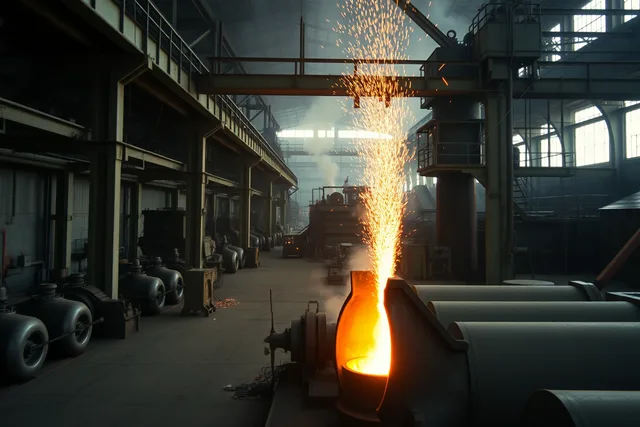
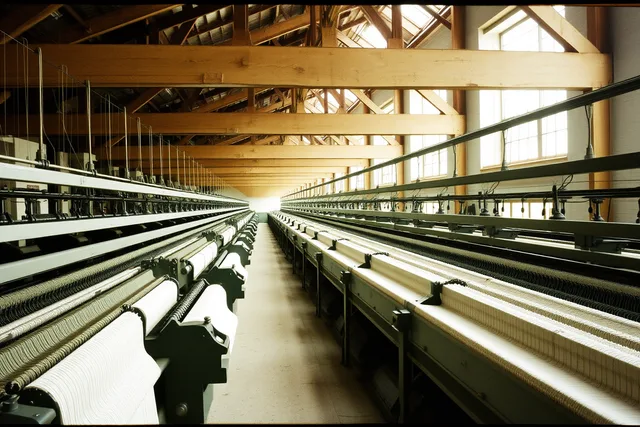
- Working plants beat branded attractions. Lowell's weave room and the Royal Canadian Mint in Winnipeg show a live line.
- Hershey's Chocolate World is a visitor center, and the factory behind it runs no public tour.
- Waste and byproducts are the quickest tell between a process tour and a product story.
The ten-year-old test, and why it beats exit price
Ask one question of any consumer factory tour: would a curious ten-year-old leave able to describe, in order, how the thing gets made?
A passing tour shows the process in sequence, explains it in plain language, and ties each step to something visible. A failing tour explains the finished product instead, which is an advertisement with a walk attached.
Comparing these visits on ticket price gets you nowhere, since most are free and the paid ones are rarely better.
Polish is a worse measure, because polish is what marketing budgets buy. The fuller judgment of these experiences on price, use and upkeep sits in how factory tour experiences should be judged.
A scored checklist: six axes, twelve points
Score each tour as you walk it. Two points for a clear pass, one for partial, zero for absent.
A scored checklist
Two points
- Sequence
- Raw material to packed product, in order
- Plain language
- Terms explained at first use
- Physical anchors
- Each idea tied to a machine or part
- Raw material origin
- Tour starts before the factory gate
- Waste and byproducts
- Offcuts, heat, water or scrap explained
- Shop time
- Most of the visit on the line
Zero points
- Sequence
- One room and a video
- Plain language
- Jargon left standing
- Physical anchors
- Screens and slides only
- Raw material origin
- Tour begins at a loading dock
- Waste and byproducts
- Manufacturing shown as frictionless
- Shop time
- Most of the visit in the shop
Tour comparison axes
Strong
- Sequence
- Process in order
- Language
- Plain, explained
- Anchoring
- Objects to hold
- Origins
- Explains raw material
- Questions
- Answered technically
- Honesty
- Mentions waste
Weak
- Sequence
- Highlights only
- Language
- Brand vocabulary
- Anchoring
- Screens
- Origins
- Starts at the gate
- Questions
- Deflected to shop
- Honesty
- Perfect, frictionless
Add the scores up. Eight points or more means the tour explained the making. Five or below means it explained the shopping.
A scored checklist
- Time the visit in three blocksprocess, safety briefing, shop.
- Ask one question at the second stop about waste, or about where the material came from.
- Write the process down in five steps before you reach the parking lot.
A working plant paired with its historic twin shows the same process twice, which is the method behind a two-day itinerary built around factory tours.
What waste and byproducts reveal
The strongest tours name what the process throws off: offcuts, heat, water, packaging, scrap. The weakest present manufacturing as frictionless, with nothing leaving the building except the finished product.
Ask about waste at the second stop. A vague answer usually means the tour is a product demonstration.
Example: the Winnipeg mint against Chocolate World
The Royal Canadian Mint runs two visits under one brand. Winnipeg is the production facility, and the tour follows a live line. Ottawa is the boutique mint, with no production floor to watch. The Mint's own visit page separates the two.
Judge both with the same six axes and the gap is obvious.
Winnipeg's production tour is the one worth planning around, and the booking questions worth asking first cover the shift patterns and closures that decide whether the line is running that day.
Hershey's Chocolate World is a visitor center, and the company's factory is not open for public tours, as this background on Chocolate World explains. A child leaves knowing the brand story rather than the order of manufacture.
One industry, two opposite tours: a live line explained step by step, or a brand explained in place of a process.
Lowell: two tours in one town
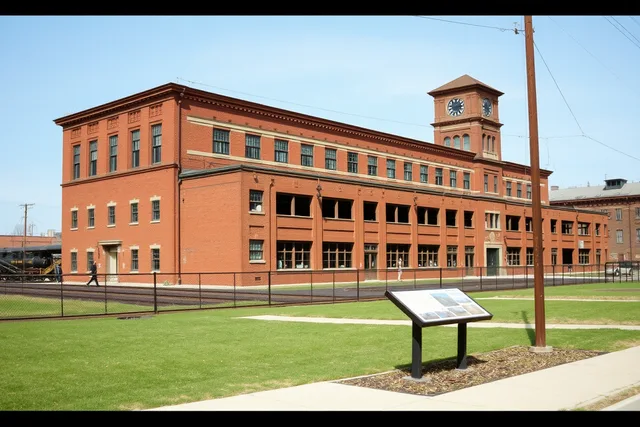
Lowell National Historical Park restores cotton mills and runs tours through a working weave room, with power looms running. The park overview covers what the exhibits show.
Lowell also answers the same-town question. Ask each site what proportion of the visit is spent watching production, then compare the numbers.
A restored mill sits on the same six axes as a working plant. Sequence and physical anchors score high where the looms run, and shop time scores low.
Free ranger tours also show why price tells you little. A well-sequenced free walk beats a paid twenty-minute product talk.
The weave room and the canal boat run on separate schedules, so booking order matters; a guide to Lowell's cotton mill tours sorts that out before you travel.