Reviews
Part of Working factory visits compared mainly on whether a company trains its own staff
Working factory visits compared mainly on whether a company trains its own staff
Working factory visits compared on one test: whether the company trains its own staff. Named plants show how that changes what a visitor sees.
What to take away
- Whether a plant trains its own people is the best single signal of a good visit. Ask about apprentices before you book.
- Ask for the floor-to-showroom split. Minutes on the production floor, not in a film or a shop, decide what you learn.
- Free or ticketed matters less than access. Maintenance bays, labs and control rooms beat any visitor center.
- Working plants and preserved mills answer different questions. Pick the one that matches yours.
- Confirm running days, ticket prices and closures with the operator before you travel.
The training signal
Two plants of the same size can run completely different visits. One walks you past a line and hands you a sample. The other explains the process, the constraints and the decisions behind it.
The difference is visible before you book. Sites that run a Registered Apprenticeship, the US Department of Labor program described on the registered apprenticeship programs page, keep journey workers and supervisors whose job already includes teaching. A visitor tour becomes an extension of what the site does daily.
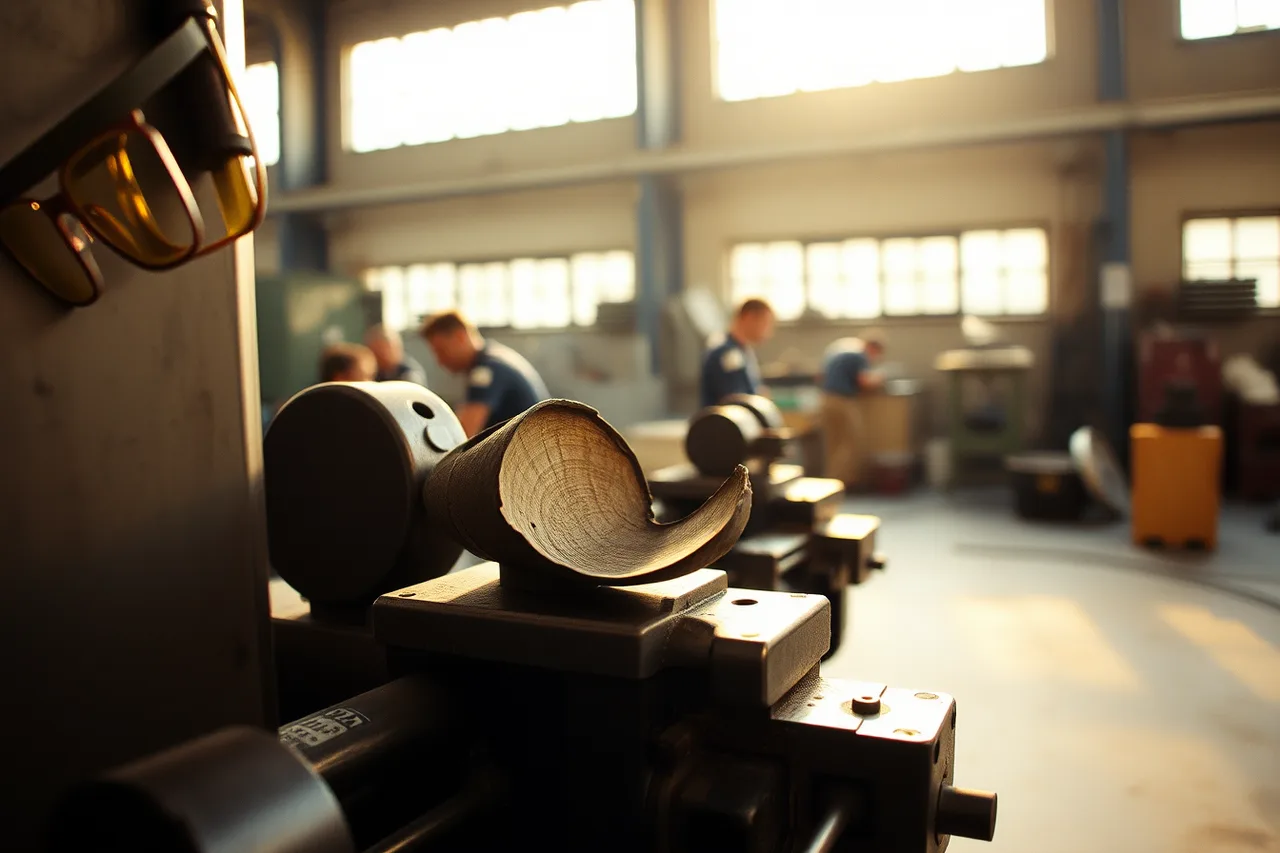
Ask when booking whether the plant takes apprentices and whether somebody from the training side can join the walk. A yes changes the visit.
Plants that train heavily often do not advertise tours at all, and finding local guides for working factory visits covers the routes in through technical college instructors.
Read the safety briefing
You learn most about a plant in its first five minutes.
A well-run site gives a specific briefing: what to wear, where to walk, what an alarm means, who to follow. OSHA's safety and health program guidance lists what a functioning system contains, including management commitment, worker participation, hazard identification and training.
A vague briefing hints at the same looseness when visitors are not there. Eye, foot and head protection rules on the floor trace back to the same written programs.
Four working plants, floor time and booking facts
Every figure below is a typical range. Confirm prices, running days and closures with each operator, because all of it changes.
| Plant | Time on the production floor | Cost and booking | Training signal |
|---|---|---|---|
| Toyota, Georgetown, Kentucky | About half a one-hour visit on the assembly floor; tours pause when the line is down | Free, reservation required, book weeks ahead in summer, large groups | Deep internal training; guides speak to the build sequence |
| Ford Rouge Factory Tour, Dearborn, Michigan | Roughly an hour of a 90-minute visit on the walkway above the F-150 line | Ticketed, typically $15 to $25 per adult, timed entry, groups of 20 to 40 | Run with The Henry Ford, so ask who leads the walk |
| Boeing Future of Flight, Everett, Washington | Most of a 90-minute visit on the observation level over the 787 hall | Ticketed, timed tickets sell out days ahead, no cameras or phones | Guides drawn from the workforce |
| Jelly Belly Visitor Center, Fairfield, California | 30 to 40 minutes, self-guided, the line visible end to end | Free, walk-ins usually fine, small groups | Fewer staff, shorter answers, whole process in view |
The training test sorts these four. Toyota and Boeing run deep internal programs. The Rouge is a partnership, so the guide matters more than the building. Jelly Belly is the small-plant case where the whole line sits in view.
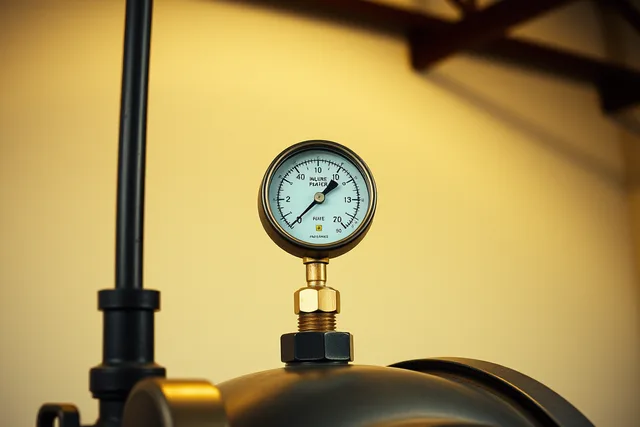
Anything under half the visit on the floor is a marketing tour with a plant attached. What first-time visitors miss on the floor covers the gauges, panels and labels that repay a second look.
What a good answer sounds like
Put these questions to the operator before you pay.
- How long does the visit last, and how much of that is on the production floor?
- Who leads it, and does that person work in operations or in training?
- Will the line be running on my date, and on which shift?
- Which areas are off limits, and why?
- How many people will be in my group?
A strong reply names a person, a number and a reason: "Production runs Monday to Thursday, the paint shop is closed for air-quality reasons, and the walk takes 50 minutes of a 70-minute visit."
A tour that cannot state its floor time usually has very little of it.
Working plant or preserved twin
Pullman National Monument in Chicago preserves a company town and its factory story. Sloss Furnaces in Birmingham keeps a pig-iron plant standing as a museum. Britannia Mine Museum in British Columbia runs a preserved mine with an underground train.
A preserved site explains what the process was. A working site shows what it is now, including the parts nobody photographs. The two kinds of tour compare directly, as running machinery time separates strong museums tours from weak ones sets out.
Preserved mills run real machinery too. Lowell National Historical Park in Massachusetts operates looms and describes mill work on the Lowell history pages. None of these is a working plant, and that is the point.
In Canada, the Royal Canadian Mint runs production tours at its Winnipeg plant while Ottawa operates as a boutique mint. The same rule applies: ask how much of the visit is spent watching coins move.
Access beats price
Most working visits are free. Where a fee exists, it usually pays for supervision and insurance, which is a good sign rather than a warning.
The thing worth paying for is access. A plant that walks you through the maintenance shop, the lab or the control room offers what no visitor center can. Expect a confidentiality agreement at sensitive sites.
Budget for the trip, not just the ticket. Transport and an overnight usually cost more than admission, and getting factory tours cost right the first time sets out how to plan that spend.