Rules
Part of Working factory visits compared mainly on whether a company trains its own staff
Safety inductions come first: the key to accessible working factory visits
Accessible options for working factory visits travelers: on a live production floor the constraints are real, and so are the adjustments. Ask about the induction.
What to take away
- Ask how the safety induction is delivered. It can be adapted, and it is the part nobody thinks to ask about.
- The floor route is the binding constraint, not the building. Get it described stop by stop.
- Facilities on a production floor are minimal by design. Plan around that rather than assuming.
- Say what you need when you first make contact, not when you arrive at the gate.
Working plants are the hardest access case in industrial travel, because safety requirements are genuine and the space belongs to production.
That does not mean the answer is no. It means the questions have to be specific and asked early.
Start with the induction
Every plant visit begins with a safety briefing, and it is usually delivered as a talk in a noisy room or a video with no captions.
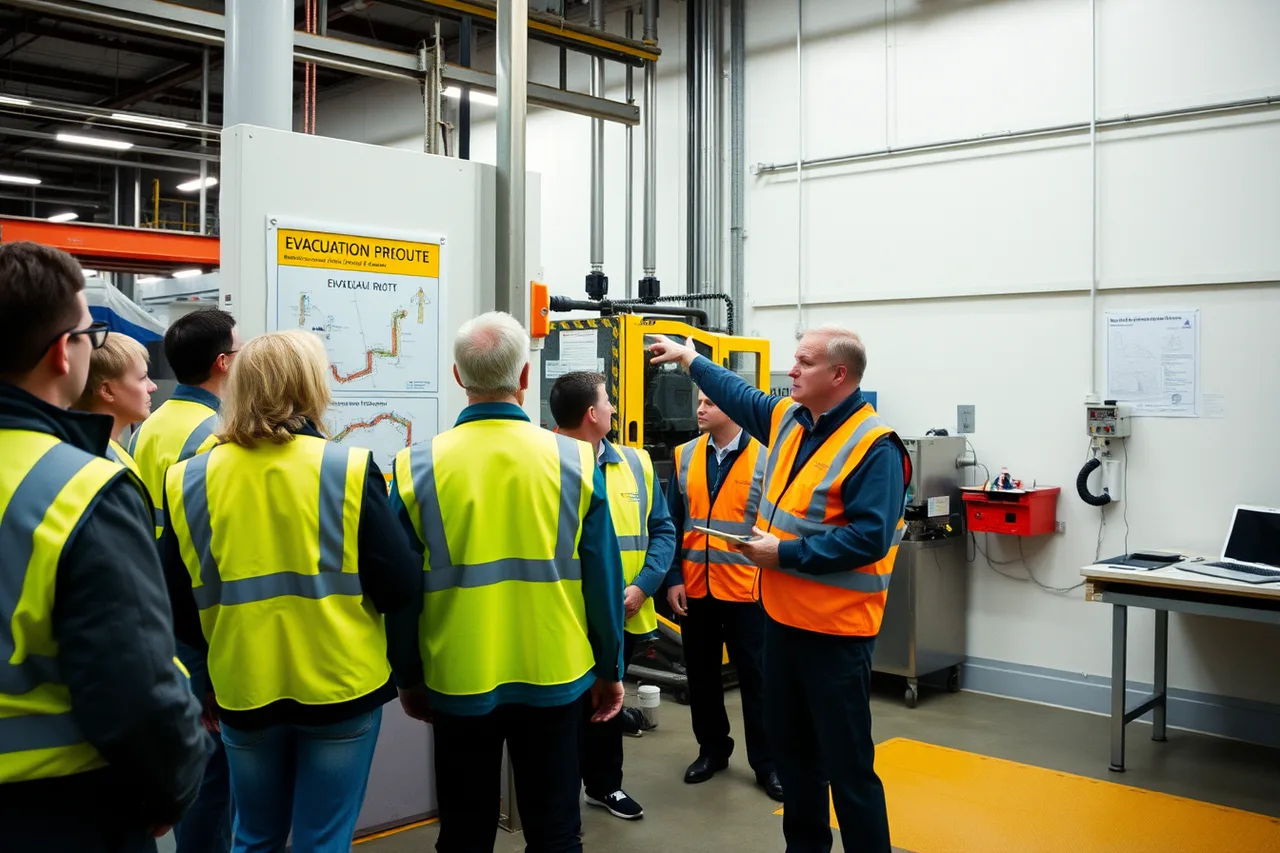
Ask how it is delivered and whether a written version exists. Most plants have the content written down somewhere, and producing it for you is easy once asked. For anybody with a hearing or processing difference, this single request improves the whole visit.
The wider training obligations plants work under are described in the Occupational Safety and Health Administration's training material, which is aimed at workforce instruction and makes the point that comprehension matters rather than mere delivery. That is a reasonable thing to expect of a visitor briefing too.
Get the route described stop by stop
Not "is the plant accessible" but: how many stops, what distance between them, how much standing at each, how many steps, are there raised walkways or gratings, is there a lift, and how far is the nearest exit at each point.
Ask whether any part of the route can be omitted, and what you would miss. Plants frequently have a shorter version used for people who cannot manage the full walk.
Facilities on the floor
Production areas are not designed for visitors, and the facilities reflect that.
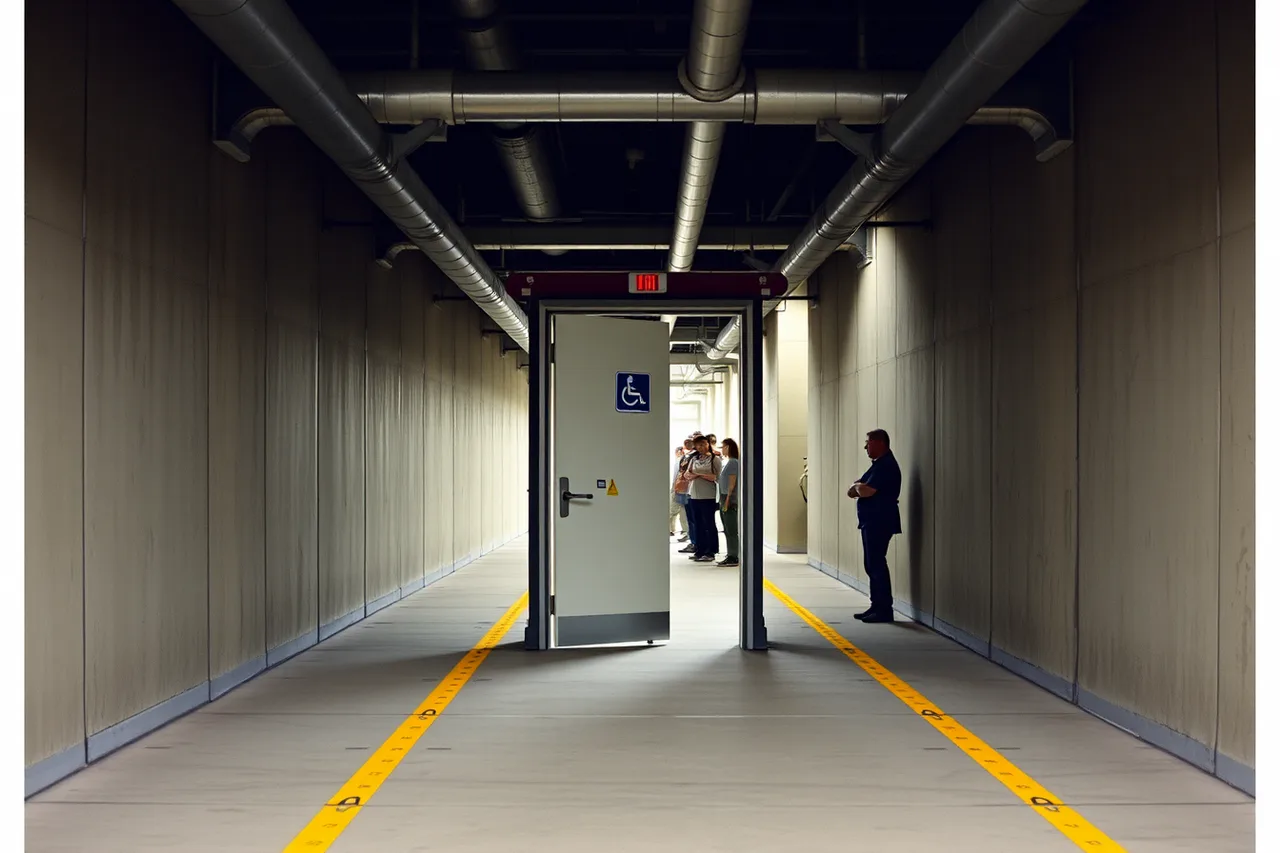
Drinking water and restrooms are located for staff and can be a long way from where a tour goes. The Access Board's guide to drinking fountains under the ADA standards sets out the requirements in accessible spaces, which apply to the public areas of a site more clearly than to a working floor.
Practical version: ask where the nearest accessible restroom to the tour route is, and how long it takes to reach. Then plan the day around the answer rather than hoping.
Sensory considerations, honestly
Noise everywhere. Heat near furnaces and ovens, cold in chilled storage. Vibration, strong smells, sudden loud events, and constant vehicle movement.
Ask for a quiet time slot where one exists, ask whether stepping out mid-tour is possible, and establish the exit route at the start.
Protective equipment that fits
Standard-issue equipment fits standard-sized people. Hearing protection, glasses over prescription lenses, high-visibility clothing and any respiratory equipment all vary in fit.
Say in advance what you need. Sites can usually find alternatives given notice and cannot at the door.
Alternatives worth requesting
- A control room or laboratory visit instead of the full floor walk
- A seated conversation with a process engineer
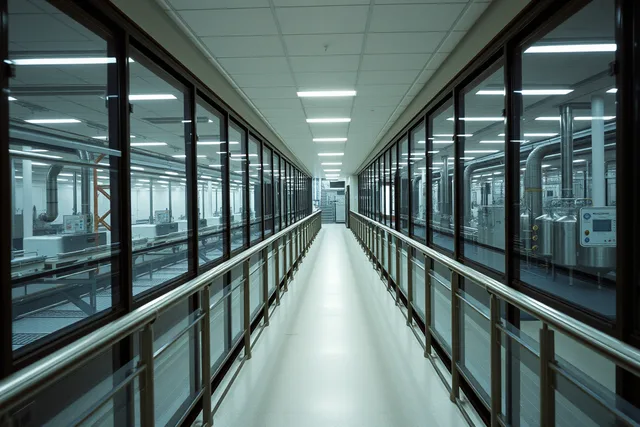
- A viewing gallery, where one exists
- A visit at shift change, when the floor is quieter
None of these is second best. A conversation with somebody who runs the process is frequently the most informative part of any plant visit.
The rubric for judging what a plant offers is in comparing working factory visits, and where to base yourself matters because the early start is part of the difficulty.