Guides
Factory tours safety checklist: what to scope before you go in 2027
Factory tour planning for 2027 means confirming the plant, the operator, the day's production schedule, then checking age, gear, photo and access rules.
A factory tour is a visit to a workplace, not a museum with machines in it. The plant sets the rules, the operator sells the ticket, and production decides what you actually see. This checklist covers both halves: what to confirm before you pay, and what to confirm the morning you go.
What to take away
- Name the plant, the operator and the production day before you buy. A tour that runs during a shutdown shows you an empty floor.
- Age, height, footwear and bag rules come from the plant, not the ticket page. Get them in writing.
- Phone and camera limits are common on live floors. Boeing Everett bans both.
- Ask about noise, standing time, stairs, elevators and seated rest points in the same call.
- Keep a same-day backup that takes reservations, and save the date you checked each rule.
Real tours and what each one asks of you
Five well-known American plant tours, with the constraints each publishes.
Five US plant tours compared
Ford Rouge
- Location
- Dearborn, MI
- What you see
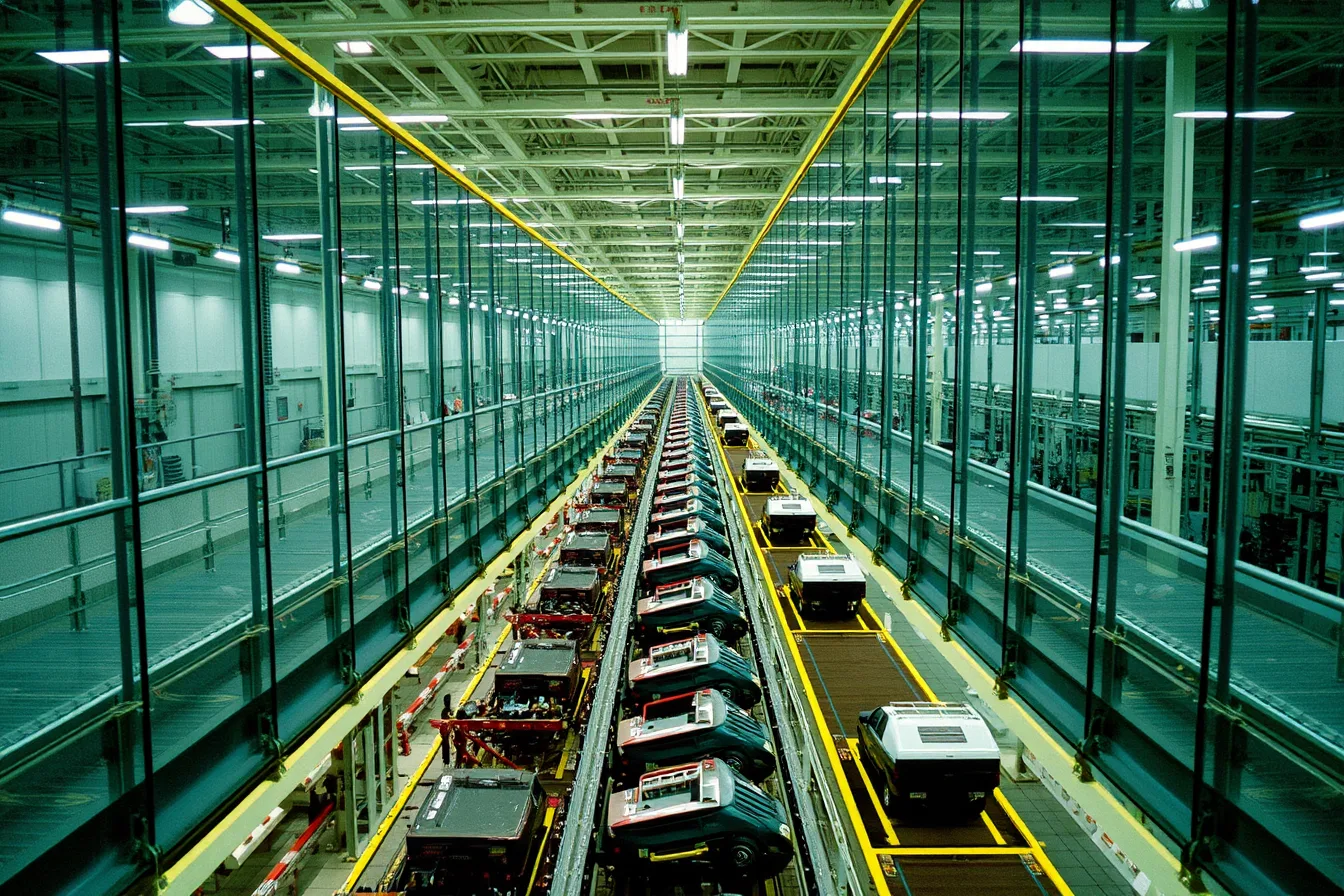
- F-150 assembly
- Tickets
- Timed
- Footwear
- No open-toe
- Cameras
- Not stated
- Age/height
- Not stated
Boeing Future of Flight
- Location
- Mukilteo, WA
- What you see
- Everett Factory
- Tickets
- Timed entry
- Footwear
- Not stated
- Cameras
- No phones/cameras
- Age/height
- 4-foot minimum
Toyota Kentucky
- Location
- Georgetown, KY
- What you see
- Camry and RAV4
- Tickets
- Free, reservation
- Footwear
- Closed-toe
- Cameras
- Not stated
- Age/height
- Not stated
| Site | Where | What you see | Known constraints |
|---|---|---|---|
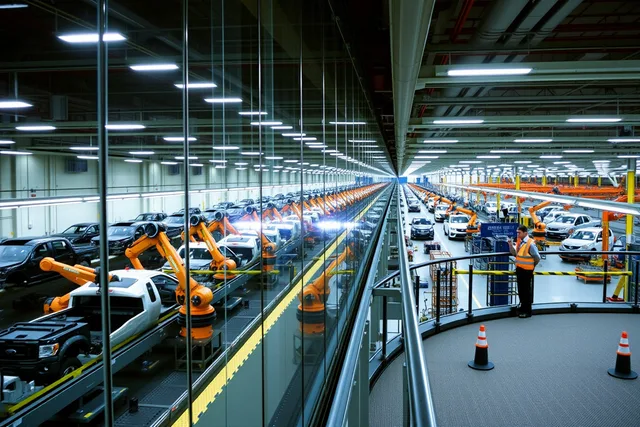
| Ford Rouge Factory Tour | Dearborn, Michigan | Elevated walkway over the F-150 assembly plant | Timed tickets; no open-toe shoes |
| Boeing Future of Flight | Mukilteo, Washington | Boeing Everett Factory | Timed entry, security screening, 4-foot minimum height, no phones or cameras on the floor |
| Toyota Kentucky | Georgetown, Kentucky | Camry and RAV4 lines | Free, reservation only, select weekdays; closed-toe shoes |
| Louisville Slugger Museum & Factory | Louisville, Kentucky | Bats turned from billets | Guided tour included with museum admission |
| Ben & Jerry's Factory | Waterbury, Vermont | Production floor and Flavor Graveyard | Ticketed, includes a sample; summer weekends sell out |
Treat the table as a starting point, not a booking sheet. Hours, prices and line assignments change, and a plant can stop tours for a model changeover without much notice.
Worked example: scoping one visit
Say you are taking four adults and two children to a plant two hours from home. Work the checks in this order.
- Confirm the plant, the operator and whether the line runs that day. Ask the operator directly; do not infer it from a photo on the website.
- Ask the plant's published visitor rules for age, height, footwear, bag size and camera limits. Get the answer from the plant, not the reseller.
- Ask about noise, standing time, stairs, elevators and seated rest points, and note which parts of the route are stepped.
- Price the day in your own numberstickets times headcount, plus fuel, parking, meals and the cost of a wasted trip if the tour cancels.
- Pick a backup that takes reservations and sits within thirty minutes of the plant.
- Write the go-or-change decision down, with one named adult who makes the call.
If step two comes back vague, that is the answer. A plant that cannot state its own visitor rules in writing is not ready for your group.
Where the published rules live
The Saugus Iron Works superintendent's compendium is a good model for what a site should be able to hand you: closures, conditions and restrictions in one dated document. Ask every operator for the equivalent page for their plant.
The National Park Service visitor conditions guidance makes the point that conditions change, and that a site can stay open while part of it is unavailable. Weather, labor action, maintenance shutdowns and line changes all land in the same place: a tour that runs, but shows you a quiet plant.
For your own notes, the National Archives' records-management fundamentals explain why a decision needs traceable evidence behind it. Record the claim, the page, the date you checked it, the limitation, and when to check again.
The National Park Service Museum Handbook is the professional reference for interpreting industrial collections. Use it to tell historic context apart from today's visitor rules. The two are different documents and often disagree.
The day-of sequence
Arrive early enough for screening, then follow the plant's own staff without improvising. Ask the site's safety officer or published visitor rules about anything specific to your group: mobility, hearing, medical needs or young children. This desk cannot give you that clearance, and no checklist can.
Common questions
What is the first thing to confirm?
The exact plant, the operator, and whether production runs that day. Everything else, from gear rules to what you will see, follows from those three.
Can children join a factory tour?
It depends on the plant. Boeing Everett publishes a 4-foot minimum height, and some automotive plants set a minimum age. Verify with the plant, not the ticket page.
What should we wear?
Closed-toe shoes are the common requirement, and loose clothing, jewelry and scarves are usually out near machinery. Confirm the site's own dress rules before you travel.
What makes a safe backup?
A nearby museum or visitor center with current hours and its own reservation system. Confirm its tickets, parking and access rules before you rely on it.