Guides
Detroit auto plant tours and what the Big Three let visitors see
Manufacturing tours in Detroit: Ford's Rouge Factory Tour, GM Factory Zero, and Stellantis plant policies, with booking rules and photo bans explained.
What to take away
- Detroit manufacturing tours give the public three very different levels of access: Ford's Rouge Factory Tour runs a full visitor center and elevated walkway, GM's Factory Zero is limited and often closed to the public, and Stellantis generally does not run public plant tours.
- Ford's Rouge Factory Tour is the anchorbook online in advance, expect an ID check, and leave tripods and drones behind.
- GM's Factory Zero in Hamtramck sits next to the old Detroit-Hamtramck plant. Public walk-in tours are not the norm.
- Stellantis plant policies are the tightest of the Big Three. Photo bans and no public tours mean you should not count on a Jefferson North or Warren Truck visit.
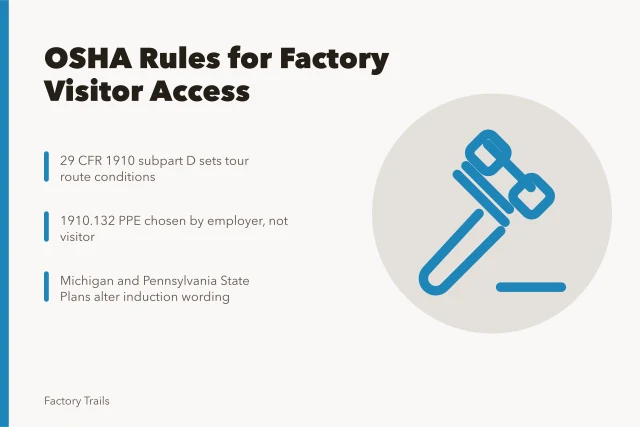
- Every plant visit starts with an OSHA-shaped safety induction. Federal rules on walking and working surfaces, PPE and emergency exits apply to visitors too.
- Timing matters more than distance in Detroit. Midweek mornings beat weekends for line activity.
How a live assembly line looks from the visitor walkway
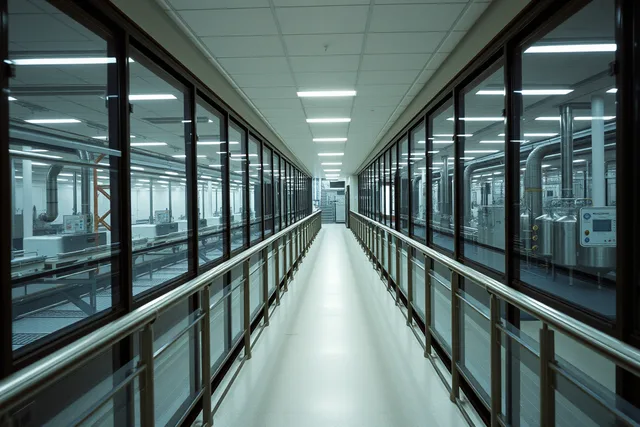
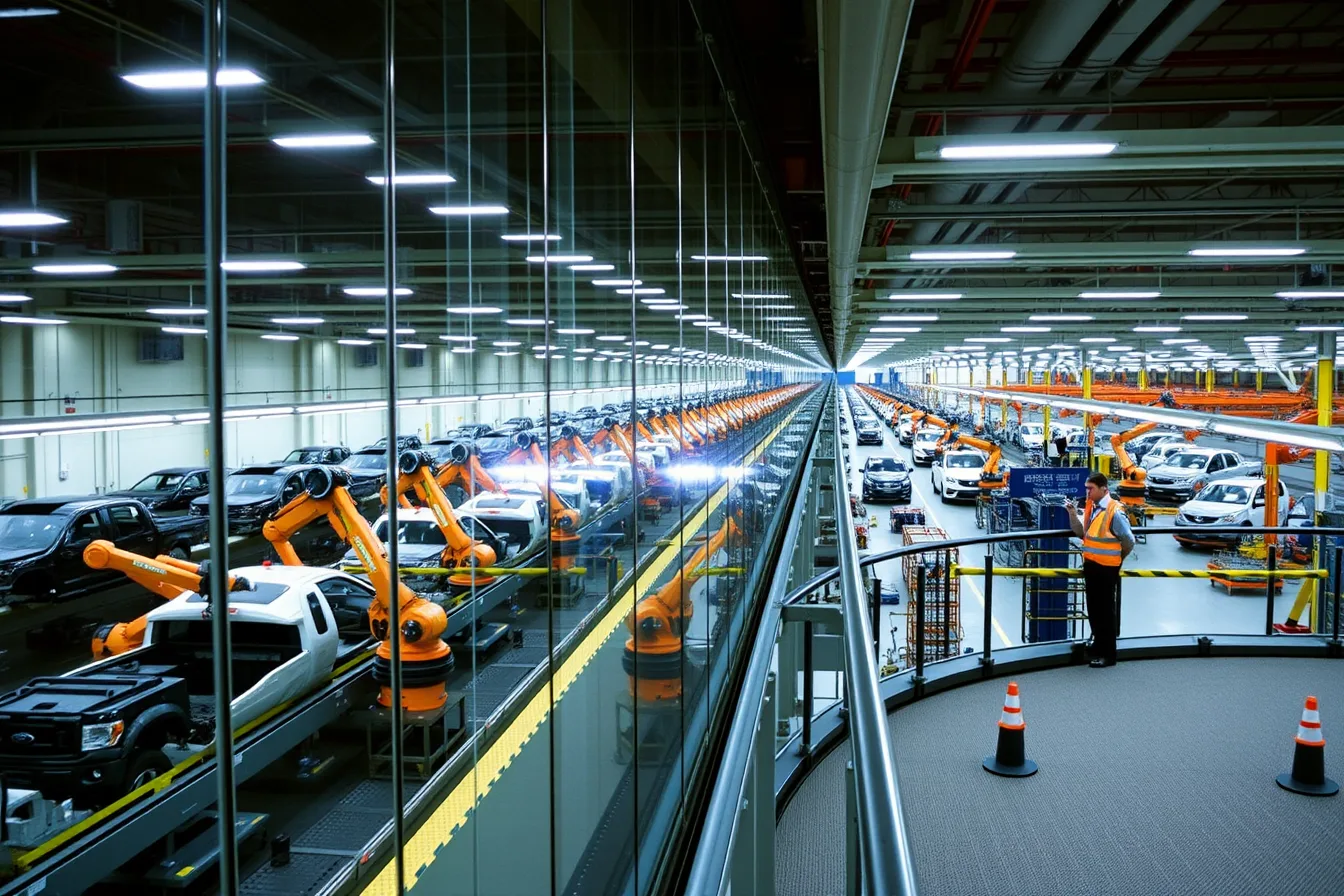
A live assembly line is not a museum. It is a moving sequence of stations, robots, conveyors and people working to a takt time. Visitors see the line from a fixed route, usually an elevated walkway or a glassed gallery, and the view changes with the plant.
At Ford's Rouge complex in Dearborn, the F-150 line is the centerpiece. You watch truck bodies move through framing, paint and final assembly. The route is one-way and timed. You do not stop the line, and you do not step onto the floor.
What you actually see depends on the day. Body shop robotics, paint shop ovens and final trim lines run at different rates. If a plant is down for changeover or a model launch, the walkway can feel quiet. That is normal, not a bait and switch.
Planning around the days a plant's line runs is the single biggest variable in whether a visit feels worth the drive.
Employers hosting public tours work within that framework, and the OSHA laws and regulations hub is where those obligations start.
For context on why US plants look the way they do, the National Institute of Standards and Technology runs manufacturing programs that touch robotics, metrology and advanced production. Its manufacturing topic page is a useful primer before you go.
The same agency's infrastructure work covers industrial facilities, which is the physical layer under any plant tour.
A useful expectation: you will see motion, scale and coordination. You will not see a full build from bare metal to keys in one visit. The Rouge tour gets closest, but even there the paint shop is viewed from behind glass and the final line is a snapshot.
If you want more than a snapshot, look at ford rouge factory tour rules that pair a plant with a museum. Detroit has the Henry Ford Museum of American Innovation and Greenfield Village next to the Rouge, and the two together tell a fuller story than either alone.
Ford's Rouge Factory Tour: booking rules and the walking route
The Rouge is the best-known auto plant tour in the United States. It is run as a visitor experience with a theater, a legacy gallery and a walking route over the Dearborn Truck Plant.
Booking rules are simple but firm. Buy tickets online in advance through the Henry Ford, choose a time slot, and arrive early. Same-day walk-up tickets exist but sell out on holidays and summer weekends.
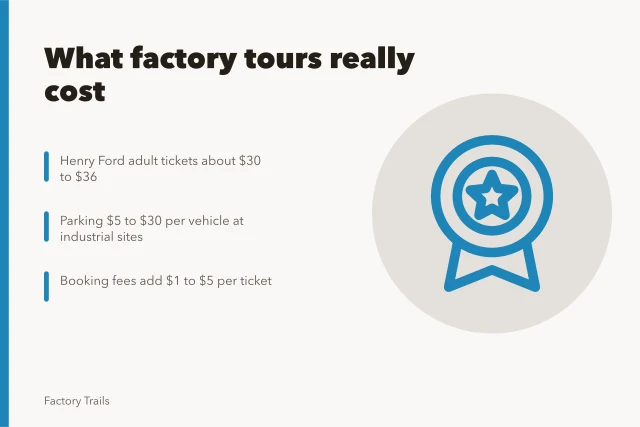
Typical prices: adult Rouge tickets run about $30 to $35, youth about $20 to $25, and a combo ticket with the Henry Ford Museum about $45 to $55. Confirm current prices on the Henry Ford site.
The tour is a bus ride from the museum to the Rouge, then a self-guided walk with staff at fixed points.
The route: a film on Ford history, a display on the Rouge's role in wartime production, then the elevated walkway over the final assembly area. You look down on the line. You do not touch anything. The walk is mostly level with some ramps, and it is stroller and wheelchair friendly in the visitor sections.
Photo bans are narrow but real. Still photography is generally allowed in the visitor center and from the walkway. Flash, tripods, selfie sticks and drones are not. Video recording is restricted in parts of the plant. Staff will tell you where to put the camera away, and you should listen the first time.
What the Rouge does not show: stamping, engine machining and most of the paint process. Those are elsewhere or behind glass. The tour is final assembly plus context. That is still a lot, and it is the most complete public look at a US assembly line most people will ever get.
One practical note: the Rouge is in Dearborn, not Detroit proper. Budget 20 to 30 minutes by car from downtown, more in rush hour. Transit options are limited, so most visitors drive or rideshare.
GM's Factory Zero and its visitor policy
Factory Zero is GM's electric vehicle plant in Hamtramck, on the site of the old Detroit-Hamtramck Assembly. It builds electric trucks and SUVs, including the GMC Hummer EV and the Chevrolet Silverado EV. GM shelved the Cruise Origin in 2024. It is a working plant, not a visitor attraction.
GM's visitor policy is the opposite of Ford's. There is no standing public tour product. Access is by invitation, press event, employee family day or a special program announced by GM. If you show up expecting a ticket window, you will not find one.
That does not mean you cannot see anything. GM has run limited public open houses and media tours around vehicle launches. Local Detroit events sometimes include plant access.
As of 2024, GM's corporate newsroom lists no public tour product for Factory Zero. Access runs through media, employee and community events. The plant's community page covers local programs, not ticketed entry. Keep a backup plan, since access is never guaranteed.
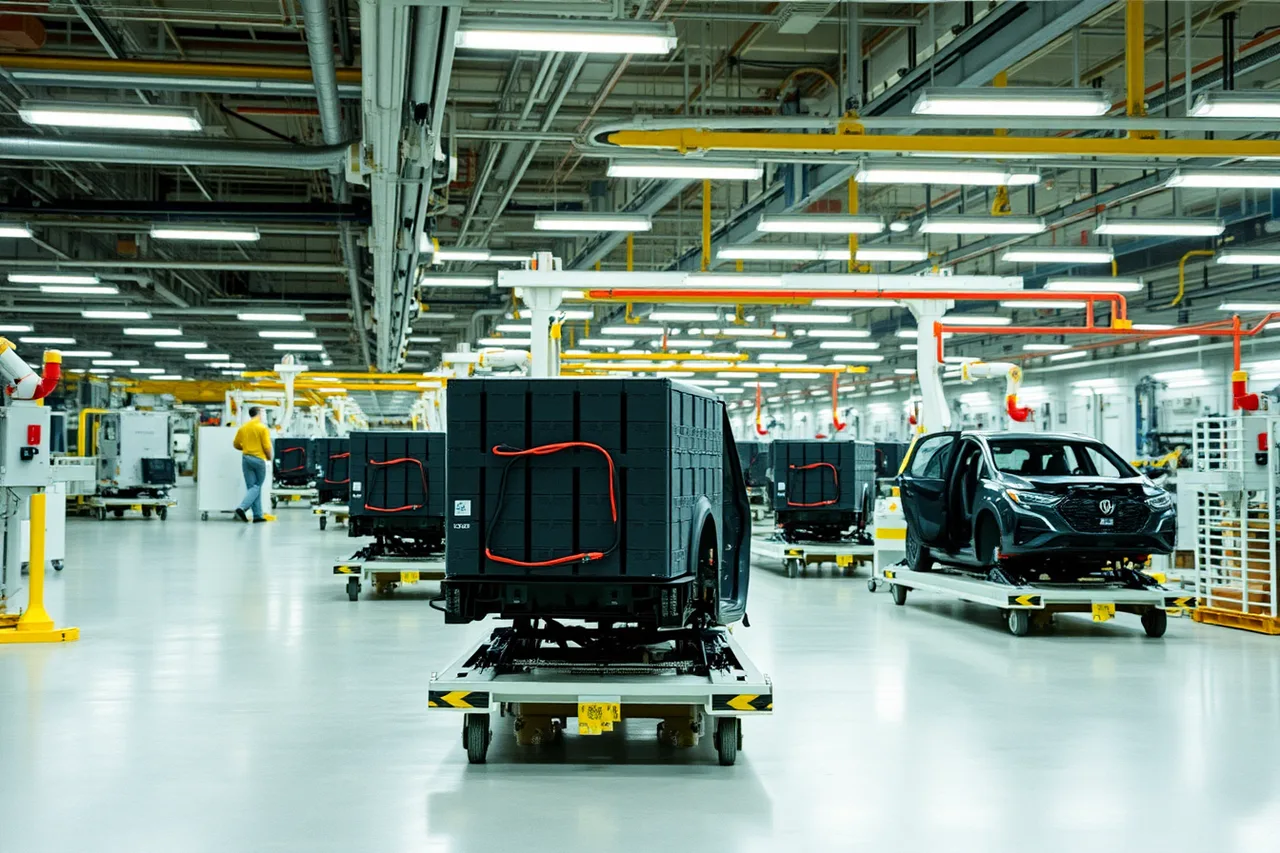
What a Factory Zero visit would show, when one is available: a flexible line built for electric vehicle assembly, battery packs moving into chassis, and a much quieter floor than a traditional engine plant. The building itself is a landmark of Detroit's shift from internal combustion to electric drivetrains.
For families, the safer bet is to treat GM as a maybe. Build your day around the Rouge and the Henry Ford, and treat a Factory Zero opportunity as a bonus. Do not book flights around it.
Stellantis plant policies and photo bans explained
Stellantis builds the Jeep Grand Cherokee and Dodge Durango at Jefferson North and the Ram 1500 at Sterling Heights. Warren Truck Assembly builds the Jeep Wagoneer, Grand Wagoneer and Ram 1500 Classic. These are high-volume plants in the Detroit area, and they are not open for public tours.
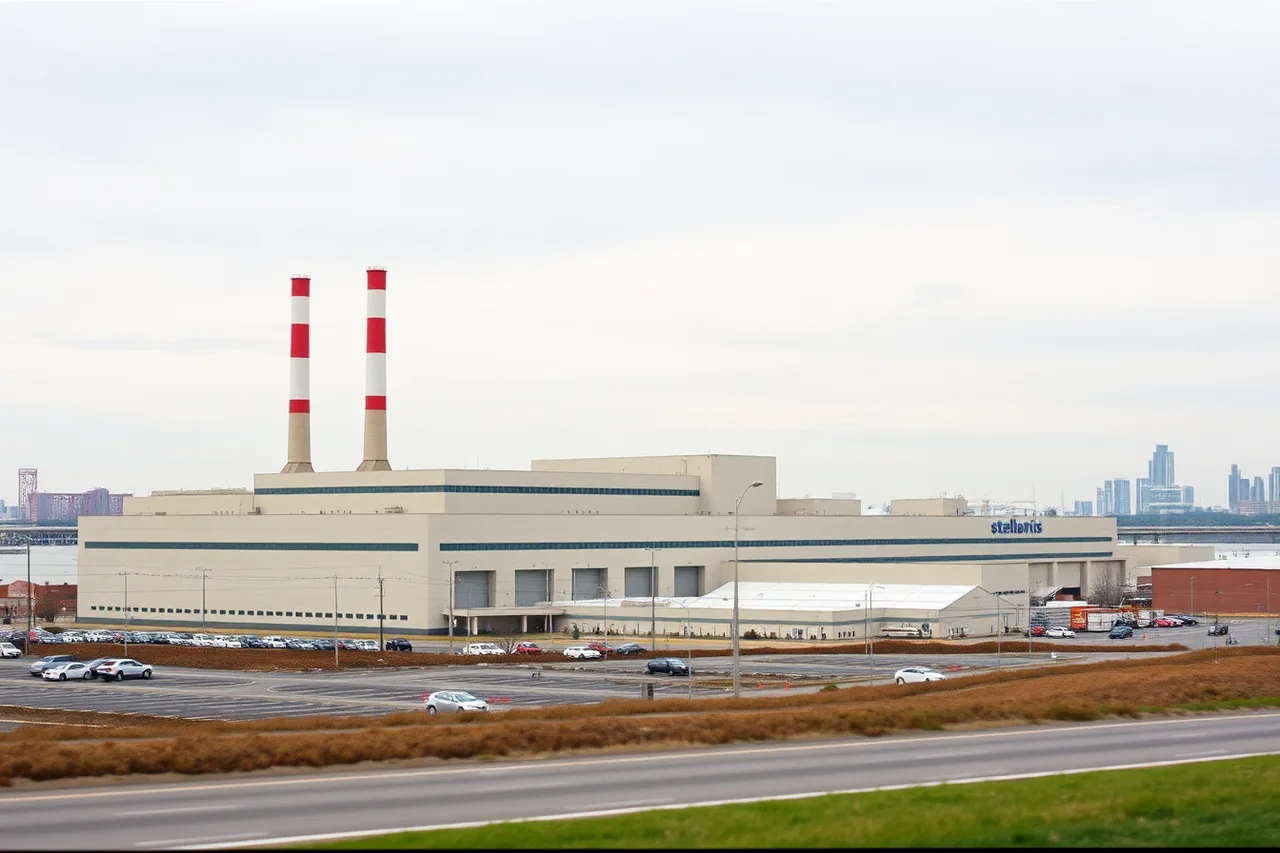
Stellantis plant policies are the clearest of the Big Three: no general public tours, no walk-up visits, and strict photo bans inside any plant the company does not explicitly open to media. Employee and contractor access is badge-controlled. Visitor access is by company invitation only.
Photo bans at Stellantis are not just about secrecy. They cover proprietary tooling, unreleased vehicles and worker privacy. If you are invited in for a media or supplier event, expect to sign an agreement and hand over your phone camera in some areas. The same rules apply to contractors and visiting engineers.
What this means for a Detroit trip: you can still see the plants from public roads, and the exterior of Jefferson North is a piece of Detroit industrial geography. But the line itself is off limits.
If you want a Stellantis fix, look at auto shows and museum exhibits instead. The company shows vehicles at the North American International Auto Show in Detroit, and historic Chrysler and Jeep models appear at the Henry Ford and other museums.
Booking rules, ID checks and what cameras are allowed
Every plant visit in Detroit runs on the same basic sequence: book, verify, screen, induct, walk. The details vary, but the shape does not.
- Book online in advance. For the Rouge, use the Henry Ford's ticketing system. For GM or Stellantis events, you need an invitation or a registration link. Walk-up access is rare.
- Bring government-issued photo ID. Real ID or a passport works. Names must match the booking. Some plants run a background check for non-public access.
- Arrive early for screening. Expect a metal detector or bag check at the Rouge, and a badge pickup at any corporate event.
- Take the safety induction. You will hear about walking routes, emergency exits, no-go zones and PPE. Pay attention; this is not a formality.
- Follow the photo rules. Cameras are usually allowed in visitor areas and banned on the floor. Drones are banned everywhere.
A pre-visit checklist:
- Tickets booked online with a time slot
- Photo ID for every adult in the party
- Closed-toe shoes, no loose clothing
- Phone charged, camera policy checked
- Tripod, drone and selfie stick left at the hotel
- Transit or parking sorted before you leave
A worked example. A family of four books the Rouge for a Tuesday at 10 a.m. They park at the Henry Ford and take the shuttle. They clear a bag check, watch the film, and walk the assembly line for about 45 minutes.
By early afternoon they are back at the museum. Total cost is a combo ticket plus parking. No plant floor access, no tripod, no problem.
For visitors who need step-free routes, accessible working factory visits depend on asking ahead. The Rouge walkway is largely accessible, but you should confirm with the venue if anyone in your group uses a wheelchair or has mobility limits.
Planning a Detroit auto plant tour day around transit and timing
Detroit is a car city. Transit exists, but it will not get you to Dearborn or Hamtramck efficiently. Plan to drive or rideshare, and build in buffer time.
Morning is the best window. Lines run early, and the Rouge's first tours see more activity than late-afternoon slots. Midweek beats weekends for line density, and you avoid the worst crowds.
A realistic single-day plan:
- 8:00 a.m.Leave downtown, drive to Dearborn.
- 9:00 a.m.Arrive at the Henry Ford, park, check in.
- 10:00 a.m.Rouge Factory Tour.
- 12:30 p.m.Lunch near the museum.
- 1:30 p.m.Henry Ford Museum of American Innovation.
- 4:00 p.m.Optional drive past Factory Zero in Hamtramck or Jefferson North.
If you have two days, add Greenfield Village and a drive along the industrial corridors. Access varies widely across the region, so compare before you commit. A two-day itinerary built around working factory visits lets you pair the Rouge with a museum day and a look at Detroit's industrial geography from public roads.
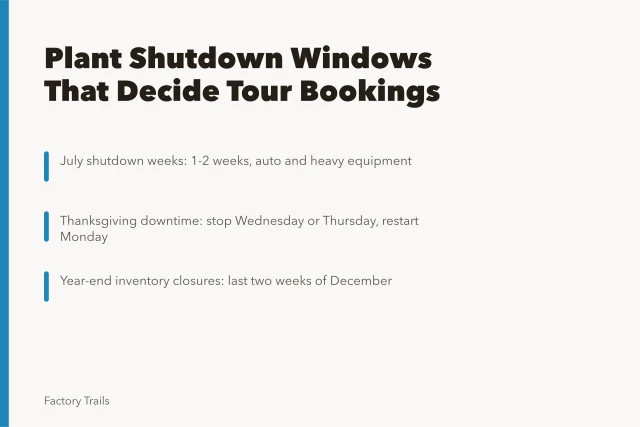
Timing traps: Monday mornings can be slow after weekend shutdowns, and model changeover periods in summer can idle a line. Check the plant's production schedule if you can.
Weather matters less than you think. Most of the visit is indoors, but the walk from parking to the shuttle can be cold in winter and hot in summer. Dress in layers.