Maintenance
Part of Realistic factory tours planning starts with one thing: the days a plant's line runs
Layout, not the machinery alone, is what a new factory tour visitor misses
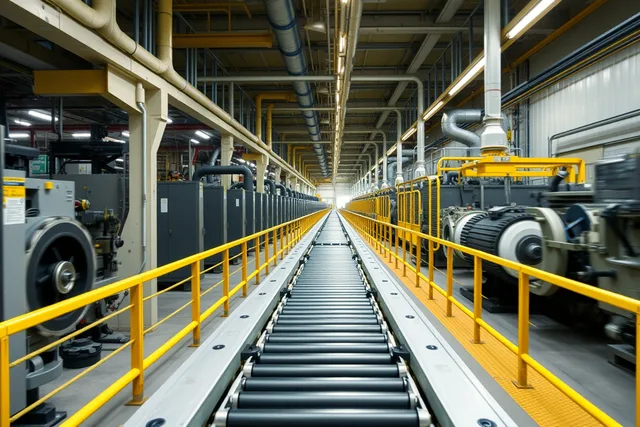
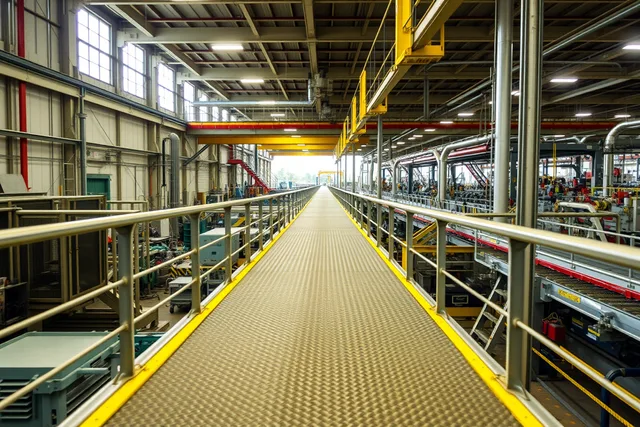
What first-time visitors miss about factory tours: everyone watches the machines. The information is in the layout, what moves, how far, how often.
What to take away
- Watch the flow, not the machines. The route material takes through the building is the design.
- Find the bottleneck. Everything else on the floor is arranged to keep it fed.
- Look at what people do rather than what machines do. The interesting decisions are human.
- Ask what used to be where. Plants are palimpsests, and guides enjoy the question.
The first plant tour is overwhelming, so people latch onto the largest machine and remember that. Which is a shame, because the machine is the least informative thing on the floor.
Here is what to look at instead.
Follow the material
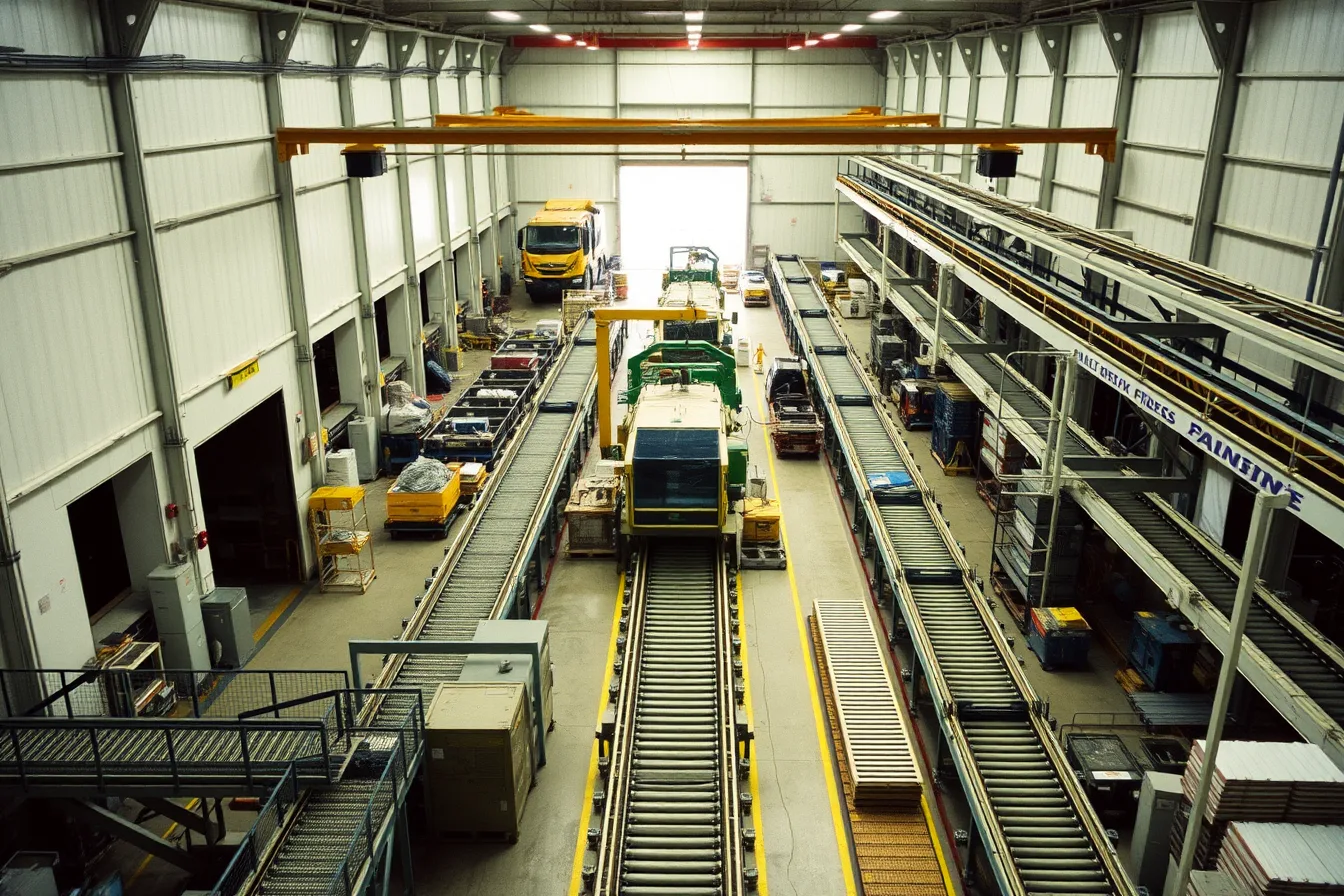
Pick the raw material at the receiving door and follow it in your head all the way to the shipping dock.
Material Path Through the Plant
- Raw material at receiving door
- Sequence of operations
- Crane routes and storage
- Shipping dock
That path is the plant's real design. Everything else, the layout, the crane routes, the storage, exists to move that material efficiently through a sequence of operations.
Once you can trace the path, you can see why the building is the shape it is, which is the difference between watching machines and understanding a factory.
Find the bottleneck
Every plant has one operation that limits output. It is usually the most expensive machine, and it is usually the one running continuously with material waiting in front of it.
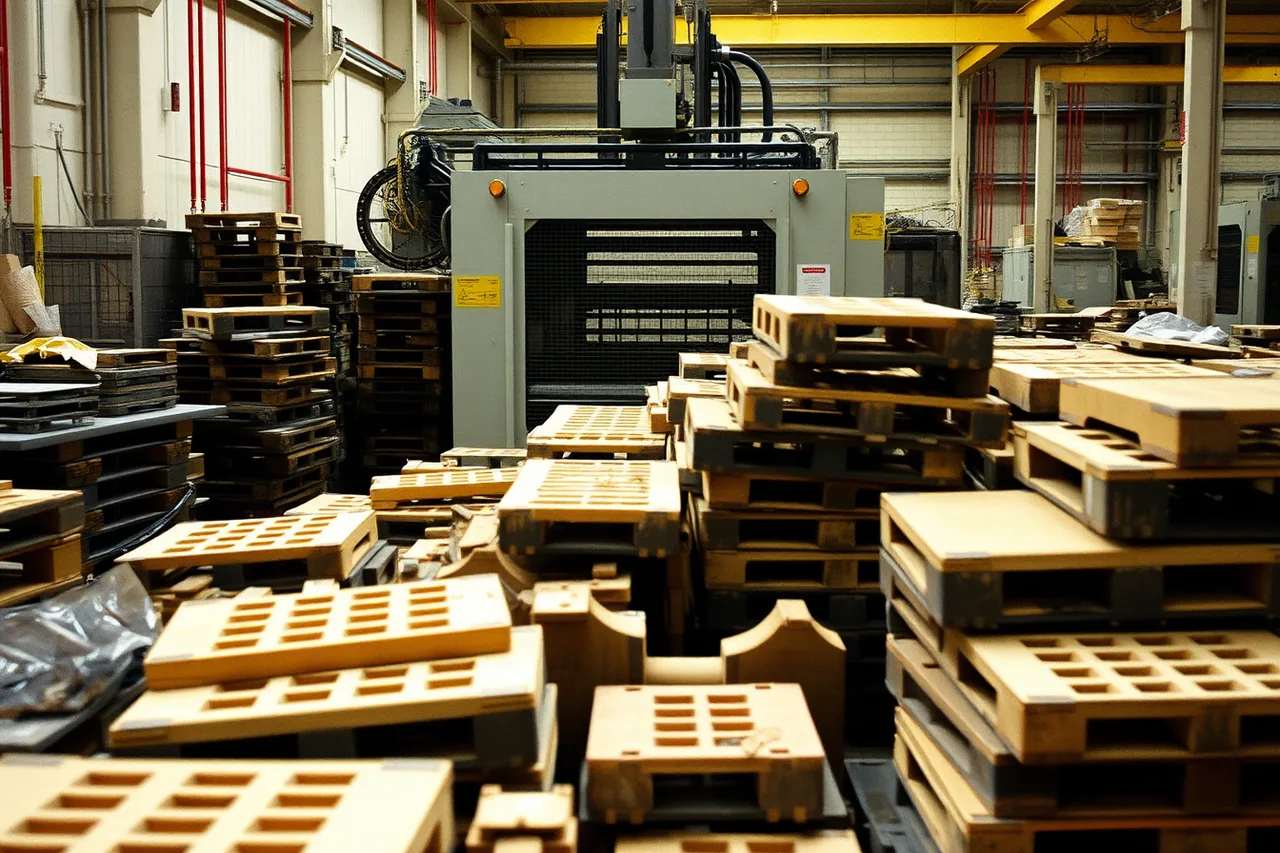
Look for the queue. Look for where work in progress accumulates. Then ask the guide whether that is the constraint, and you will get a much better conversation than the one on the script.
Watch the people
Automation is what visitors photograph and human judgment is where the interest is.
Watch what operators actually do: inspecting, adjusting, deciding, correcting. Notice where the work is skilled and where it is repetitive. Notice how many people there are compared with the size of the building, which is usually startlingly few.
Do not photograph individual workers, and do not interrupt them. Ask the guide.
The historical layer
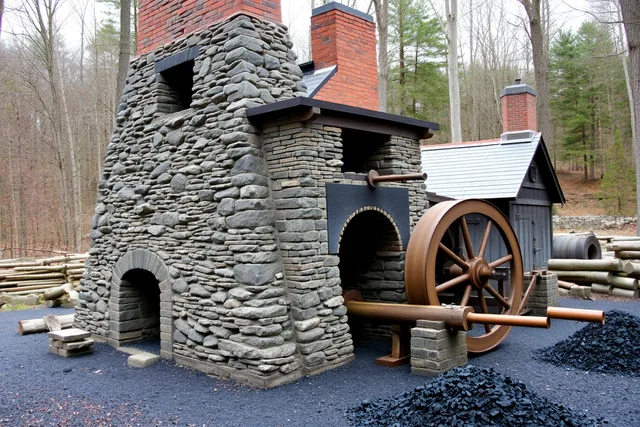
Working plants are rarely new. They sit in buildings adapted repeatedly, and the traces are visible.
Filled openings, redundant rails in the floor, mounting bolts for machines that are gone, brickwork of different ages, ceiling heights that make no sense for the current process. Each one records a previous arrangement.
Sites where invention itself was industrialized make this legible in a way ordinary plants do not. The history of Thomas Edison's laboratory complex covers exactly that: buildings organized for research and production together, and repeatedly reorganized as what they made changed.
Ask what used to be where. Guides who have been there twenty years light up at that question.
The organization is the invention
The thing first-timers most consistently miss is that the arrangement of the work, rather than any single machine, is what changed manufacturing.
Interchangeable parts, standard gauges and the division of an operation into steps came out of specific places. The history of Springfield Armory covers one of them, where the pursuit of interchangeable parts drove the development of machine tools and the inspection methods that made them work.
That idea, not the machinery, is what you are looking at in any modern plant.
Small things worth noticing
- Where the tools are kept, and whether they are tidy
- How material is labeled between operations
- Where the quality checks happen, and how often
- What is measured and displayed on the floor
- Where the noise is worst, and whether people avoid that area
Questions that get real answers
What limits output here? What is the hardest thing to get right? What changed in the last five years? What would you show me if you had another ten minutes?
That last question is the best one on this list.
The practical arrangements are in the realistic plan for factory tours, and pairing a working plant with its historic ancestor is set out in the two-day itinerary.