Industry
Part of Realistic factory tours planning starts with one thing: the days a plant's line runs
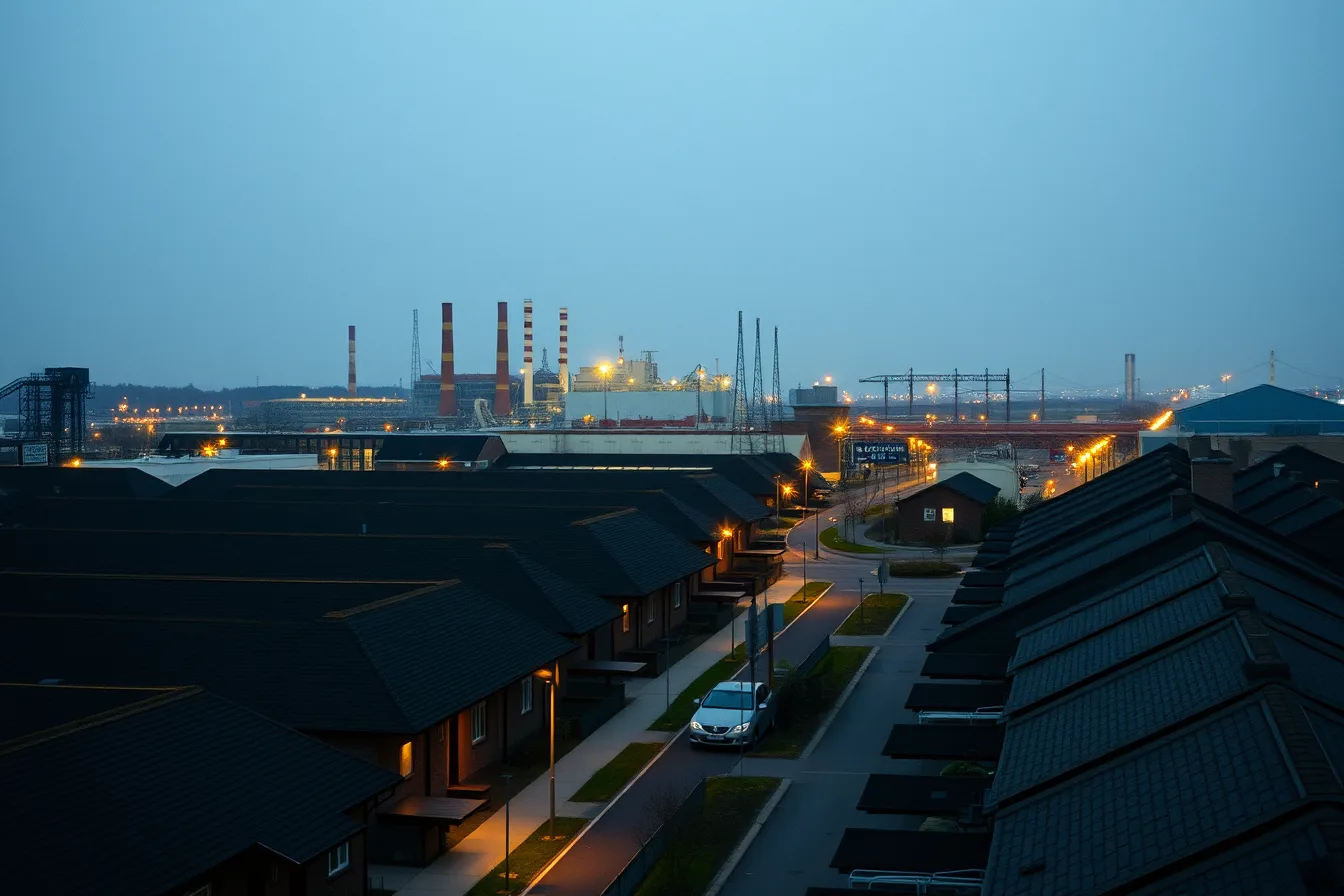
Company towns beat junction hotels near the best factory tours
Stay in the town the industry built rather than at the junction outside it. Company towns are cheap, walkable, and half of what you came to see.
What to take away
- Sleep in the company town when one exists and your tour starts before nine.
- Company-town rooms are usually cheaper than junction chains, and you walk to the gate instead of driving.
- Five questions decide the bookingshift times, breakfast hours, window direction, tour departure point, and noise.
- A junction chain wins in three cases onlya late flight, children who need a pool, or a town with no beds at all.
- Price Boulder City, Hershey, Oak Ridge, Lowell and Britannia Beach before you look at the interstate.
Stay in the company town where there is one. The junction chain is the fallback for late arrivals, families, and towns with nothing. Two questions decide the booking: which town, and which room?
Two nights beat one almost everywhere here. Pairing a live plant with its historic twin is the pattern that holds, and a two-day itinerary built around factory tours works that pairing out hour by hour.
The company towns to price first
| Company town | The tour it serves | Where to sleep |
|---|---|---|
| Boulder City, Nevada | Hoover Dam and the story of its construction | The Boulder Dam Hotel, a few blocks from the museum |
| Hershey, Pennsylvania | Hershey's Chocolate World; the working factory is not open to the public | Hershey Lodge or the Hotel Hershey, in the town the founder built |
| Oak Ridge, Tennessee | Manhattan Project sites and the American Museum of Science and Energy | Chain motels along Oak Ridge Turnpike; Knoxville is 25 miles away |
| Lowell, Massachusetts | Working textile machinery at Lowell National Historical Park | A downtown conference inn, plus chain rooms at the city edge |
| Britannia Beach, British Columbia | The Britannia Mine Museum underground tour | Almost nothing in town; Squamish is a short drive north |
| Winnipeg, Manitoba | The Royal Canadian Mint production plant, not the Ottawa boutique | Downtown or airport hotels, then a drive east to the plant |
Most plants on this list tour on weekdays only, and a realistic plan for factory tours sets out how to find a plant's run days before you book.
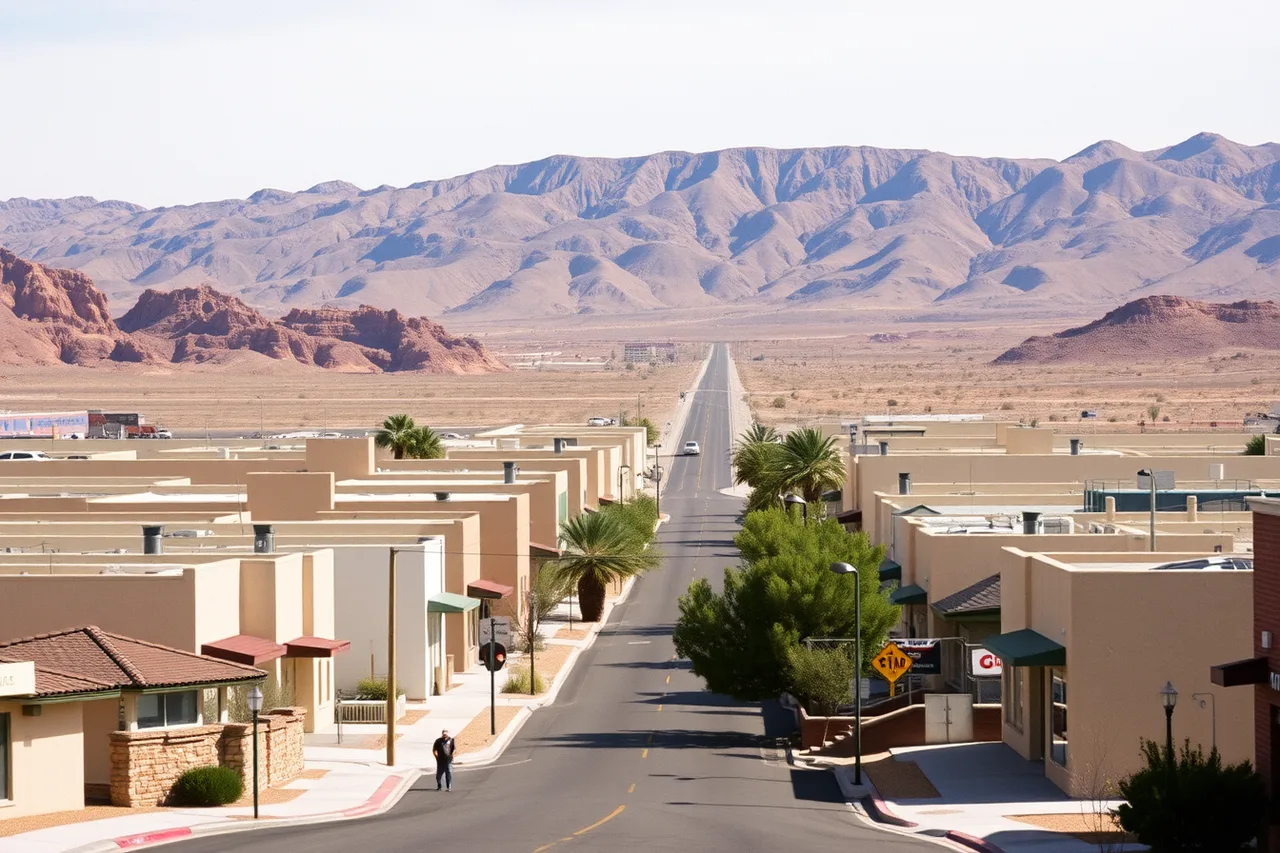
Boulder City is the cleanest example of the pattern. Federal planners laid it out to house the dam workforce, and the Bureau of Reclamation's Hoover Dam pages follow the construction that produced dam and town together. Ordinary houses, a main street, and the setting itself as the exhibit.
[figure 1]
Oak Ridge, Los Alamos and Hanford are the extreme case. All three were built at speed on secret sites to house tens of thousands of workers, and the Park Service's account of the Manhattan Project places covers them. Oak Ridge is the easiest of the three on a weekday.
Canada adds two stops. The Royal Canadian Mint's visit page sets out the split between the Winnipeg production-plant tour and the Ottawa boutique mint. Britannia Beach, north of Vancouver, is a former company town with minimal lodging, so most visitors sleep in Squamish.
What to check before booking
- Does the front desk open before your tour departs, or do you collect a key from a box?
- Do breakfast hours start before your tour slot, or should you buy food the night before?
- Which way do the windows facethe plant, the rail line, the parking lot, or a quiet side street?
- Where does the tour start, at the museum entrance or at a separate works gate?
- Does your date land on a shift change, and is the plant touring that week?
Ask these before you pay a deposit, since cancellation terms in small towns are strict. If stairs or noise decide the answer, how accessible a working factory visit really is is the next thing to read.
[figure 2]
Before booking a company town
- Distance to the plant gate, and which entrance
- Morning drive at shift change
- Breakfast timing before an eight o'clock tour
- Parking, easy in town, not at the plant
- Whether anything is open in the evening
What a company-town room costs
Money settles this argument more often than atmosphere does. Rates move with season and market, so read the figures below as typical midweek ranges rather than quotes.
Typical midweek range: a company-town independent or historic property runs about $110 to $160. A junction chain 20 miles out runs about $140 to $210, before fuel and parking.
The one-night gap looks small. Taxes, parking and a paid breakfast can close it, and a company-town inn often includes breakfast. Two 25-minute runs a day, timed with shift changes, are the real junction cost. Across two nights the town usually wins on total spend.
Getting factory tours cost right covers tickets and transport alongside rooms, in case the whole budget needs the same treatment.
The trade-off of sleeping beside a working plant
Staying beside a live plant means noise, night lighting, and traffic when the shift turns over. For most visitors that reads as atmosphere rather than nuisance. If you sleep lightly, ask for a room away from the road and the rail line, and pack earplugs.
Example: Birmingham, where the chain hotel is right
Sloss Furnaces runs tours and has no lodging of its own. The district around it was never a company town, so downtown Birmingham hotels are the correct base, a short drive from the site. Museum-only stops work this way: sleep where the beds are, then drive to the gate.
Making the evening count
The evening in an industrial town is part of the trip. Walk the housing rows, read the civic buildings, and find the bar where plant people drink. Ask an older resident where the old works entrance stood. That answer usually explains the street pattern you walked in on.