Rules
What to wear on a working factory tour: closed-toe shoes required
What to wear on a factory tour starts with closed-toe shoes, long pants and the gear a US plant supplies. Here is what gets checked at the door.
What to take away
- Closed-toe shoes decide whether you get past the door.
- Long pants matter more than a shirt; they keep sparks, shavings and hot surfaces off your legs.
- Plants hand out safety glasses, hairnets and earplugs, so do not buy your own.
- Leave the big camera bag and the dangling jewelry in the car.
- The dress code is the plant's visitor rule, usually mirroring the OSHA standards it applies to workers.
A working factory tour is not a museum walk, and the gap shows at your feet.
The short list
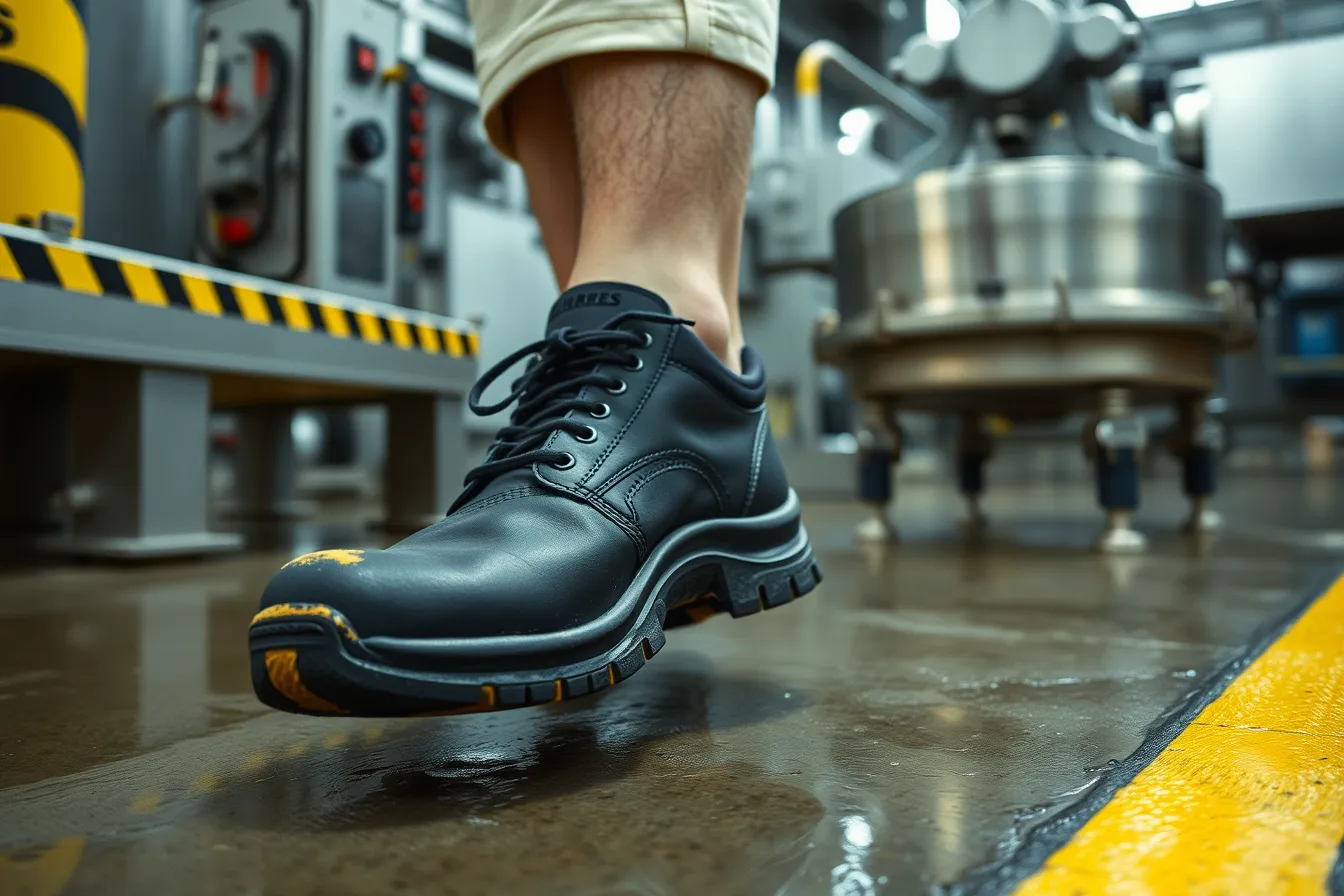
Wear closed-toe shoes you have already broken in. A rubber sole beats leather on wet bottling floors, and a flat heel beats anything with a lift. Athletic shoes qualify at nearly every US plant. Boots are welcome but rarely required.
What to wear by site type
Assembly or stamping
- Footwear
- Closed-toe, flat, rubber
- Legs
- Long pants, no rips
- Head and hands
- Nothing dangling; gloves
Food or beverage
- Footwear
- Closed-toe, non-slip
- Legs
- Long pants
- Head and hands
- Hairnet and beard net
Museum in former mill
- Footwear
- Closed-toe preferred
- Legs
- Any trousers
- Head and hands
- None required
Brewery or bottling
- Footwear
- Closed-toe, non-slip
- Legs
- Long pants
- Head and hands
- Hair tie for long hair
Long pants come second. Denim or canvas holds up better than thin synthetics near welding, cutting and hot presses, because synthetics melt and stick. Many plants also ask for long sleeves, and a few ban loose cuffs, drawstrings and scarves.
Everything else is small: a hair tie, socks for an hour on concrete, and a light layer you carry rather than check.
Footwear
- Assembly or stamping plant
- Closed-toe, flat, rubber sole
- Food or beverage line
- Closed-toe, non-slip
- Museum in a former mill
- Closed-toe preferred
- Brewery or bottling hall
- Closed-toe, non-slip
Legs
- Assembly or stamping plant
- Long pants, no rips
- Food or beverage line
- Long pants
- Museum in a former mill
- Any trousers
- Brewery or bottling hall
- Long pants
Head and hands
- Assembly or stamping plant
- Nothing dangling; gloves supplied
- Food or beverage line
- Hairnet and beard net supplied
- Museum in a former mill
- None required
- Brewery or bottling hall
- Hair tie for long hair
Plant checklists borrow from the OSHA foot protection standard, which requires protective footwear wherever falling or rolling objects can injure a foot. That rule binds employers for employees, not guests, and the general PPE standard works the same way: visitor policy is a private rule that looks federal. The wrong guesses are collected in Common Factory Visit Mistakes.
What the site does not provide
No plant keeps loaner shoes at the door. Arrive in flip-flops and you are sent back to the car or turned away. That holds at car plants and candy lines alike.
Lockers are limited and often first come. A backpack that will not fit means carrying it or leaving it in a vehicle. Purses are rarely a problem; camera bags and day packs are.
Safety glasses, earplugs, hairnets and vests are usually supplied at the entry. Some sites ask you to bring safety glasses if you wear prescription lenses, and the eye protection standard explains why plants care. If you wear prescription glasses, bring them and check whether the site supplies over-glasses safety eyewear or expects you to bring your own.
Ask when you book; the reservation desk knows what the website leaves out. Water and shade in the queue are not supplied either.
Bring these to the door
- closed-toe shoes, already worn in
- socks thick enough for an hour of concrete
- a hair tie
- a bag small enough for a locker
- safety glasses if you wear prescription lenses
Factory Tour Budget Planning covers what parking, lockers and a second night add to a plant trip.
What to leave at home
New steel-toe boots bought for one tour are the classic waste. Visitor rules say closed-toe, not steel-toe. A fresh pair is money you do not get back and misery on a catwalk. If you own them, wear them. Do not buy them.
A large camera is weight without use. Many plants ban photography on the production floor, enforced rather than suggested. A phone in a pocket usually passes in visitor corridors and fails on the line.
Strong fragrance, dangling jewelry and open drinks cause problems at food plants. Leave all three somewhere else.
If you would not wear it to mow a lawn, it is the wrong shoe for a plant floor.
The one item that is worth its weight
A closed-toe shoe earns its place because it is the only item checked at the door.
If those shoes double as your everyday walking pair, better still. You will wear them for the drive, the queue, and the walking a large tour covers. If you are stringing several plants into one trip, Choosing Industrial Tour Providers covers the booking side.
Packing for the weather you will actually get
Interior temperature is set by the process, not the season, so the forecast mainly affects the walk from parking and the wait outside. A summer queue can be hot and shadeless. A winter walk across a plant lot is longer than it looks.
Carry a light layer you can tie around your waist; leave the heavy coat in the car. If your trip mixes working plants with visitor centers such as Chocolate World in Hershey, where the factory itself is not open to tours, ordinary clothing is correct.