Reviews
Real process shown, compared with polish, is how factory tour experiences should be judged
Visitor-center tours are a product with a marketing budget behind them. Judge them on how much real process you see, not on how polished the film is.
What to take away
- The polished visitor experience and the informative one are different products. Decide which you want.
- Tastings and samples are regulated, which is why breweries and food plants run tours the way they do.
- Judge upkeep by whether the displays match the current process. Many do not.
- Price rarely tracks quality here, because the good ones are frequently free.
Consumer-facing factory tours are the most accessible part of industrial travel and the easiest to be disappointed by. They are built by marketing departments, they are polished, and the amount of actual production you see varies from most of the plant to none of it.
Why the drinks and food tours are structured that way
Breweries, distilleries and wineries run the most developed visitor operations in American manufacturing, and the shape of them is not accidental.
The Alcohol and Tobacco Tax and Trade Bureau regulates the producers and administers the federal excise and labeling rules they work under. Those obligations reach into the visitor experience: what may be sampled, where, in what quantity, and what may be sold on site.
That is why the tasting is at the end, why the pour is measured, and why the shop is where it is. Understanding it makes the tour easier to evaluate: the constraints are real, and everything beyond them is a choice.
Food plants and the visitor gallery
Food and beverage plants are the other big category, and they are the ones most likely to give you a genuine view of production.
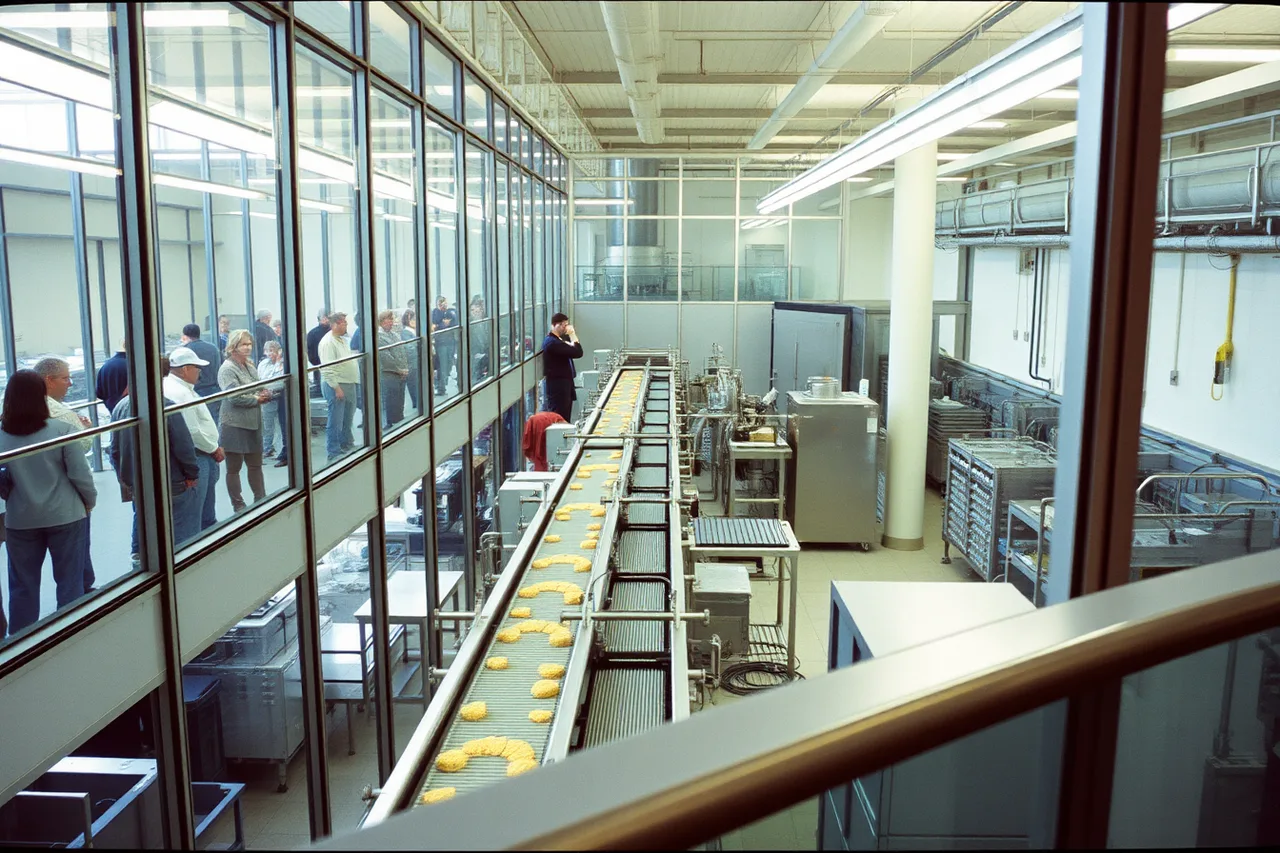
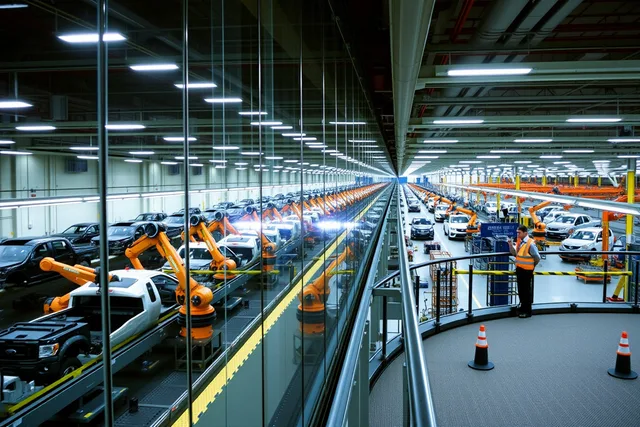
Hygiene requirements produce flat floors, good lighting and enclosed processes, which happen to suit viewing galleries. The regulatory frame those plants operate inside is set out across the Food and Drug Administration's industry pages, and the practical effect for a visitor is a plant designed to be looked into rather than walked through.
A gallery over a running line is a better experience than a floor walk past a stopped one.
Judging upkeep
The tell is whether the interpretation matches the current process.
Look for displays describing equipment that has been replaced, photographs of a workforce twice the current size, and films with obviously dated footage presented as current. None of that is dishonest, and all of it means the visitor experience has not been revised in a decade.
Ask when the tour was last changed. Staff answer honestly and it is a useful signal.
The comparison
| Axis | Better |
|---|---|
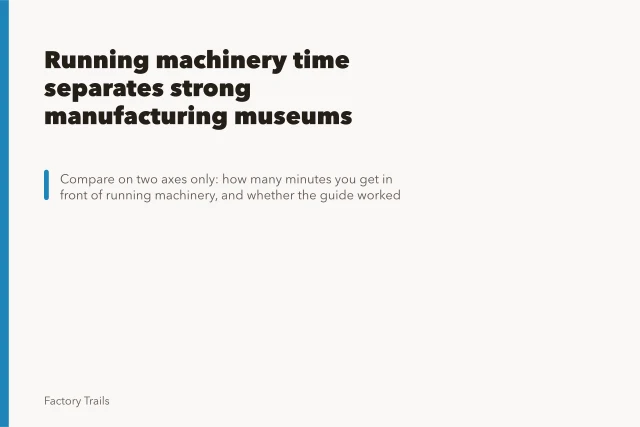
| Process visible | Live production, not video |
| Guide | Somebody from operations, occasionally |
| Time on the floor or gallery | More than half |
| Interpretation age | Matches the current plant |
| Tasting or sample | Included, explained, not rushed |
| Shop | Present, not the point |
| Price | Free or modest. It rarely predicts quality |
What price does and does not tell you
Consumer-brand tours are frequently free because the tour is advertising, and free does not mean thin. Paid tours are usually paid because of supervision, capacity or a tasting.
What price never tells you is how much production you will see, which is the only axis that matters.
The wider question of why some sectors host tours at all is covered in what factory tours may cost, and the working-plant version of the same judgment applies once you get past the visitor center.
Common questions
Are brand tours worth doing at all?
Is the tasting the main event?
Why do some plants only show a video?
How do I find the informative ones?
In this guide
- Local shops gain the most from a factory tour's spare afternoonA plant tour brings people to a town with a whole afternoon spare. The businesses that benefit are the ones that noticed and adjusted their hours.