Industry
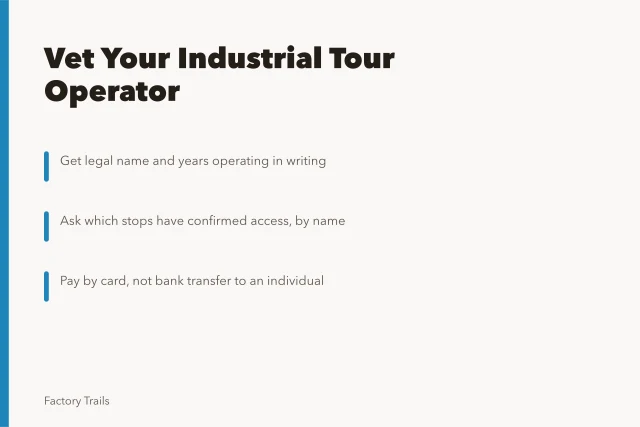
Part of Confirmed access, not a brochure, is what an industrial tour operator sells
Volunteer programs: where most industrial tour guides start out
The people who guide industrial tours often start as volunteers. These named programs at museums, railways and industrial sites are where to meet and hire them.
What to take away
- Volunteer programs at specific industrial sites are where good guides start out.
- NPS Volunteers-In-Parks, Lowell, Steamtown, Sloss Furnaces and the National Museum of Industrial History are five starting points.
- Participatory projects put you beside local historians and retired engineers.
- Hire the local volunteer for a day, not the regional operator for a week.
- Ask what they cannot get you into. Honesty about limits is the credential.
Industrial tour guiding is a small world. Good guides are known locally, started as volunteers, and rarely market themselves. Finding them means going where they already are.
Heritage sites run on volunteers, and the people who volunteer at an industrial site are precisely the people who can guide one.
Named volunteer programs
- National Park Service Volunteers-In-Parks.The linked volunteer program places volunteers at more than 400 parks and sites. Industrial parks use VIP volunteers for tours and demonstrations.
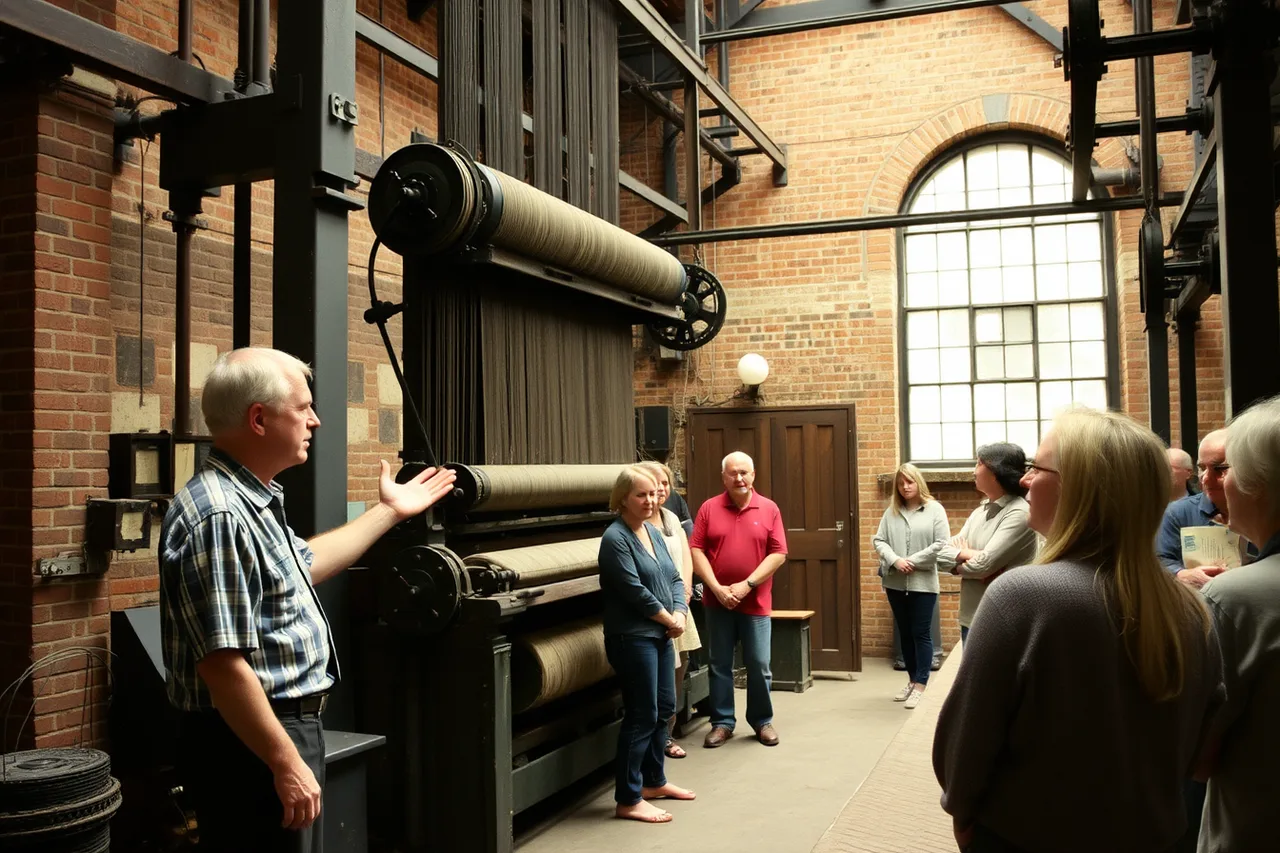
- Lowell National Historical Park.In Massachusetts, volunteers lead canal, trolley and mill tours. The park preserves textile mills and waterpower. Training is provided.
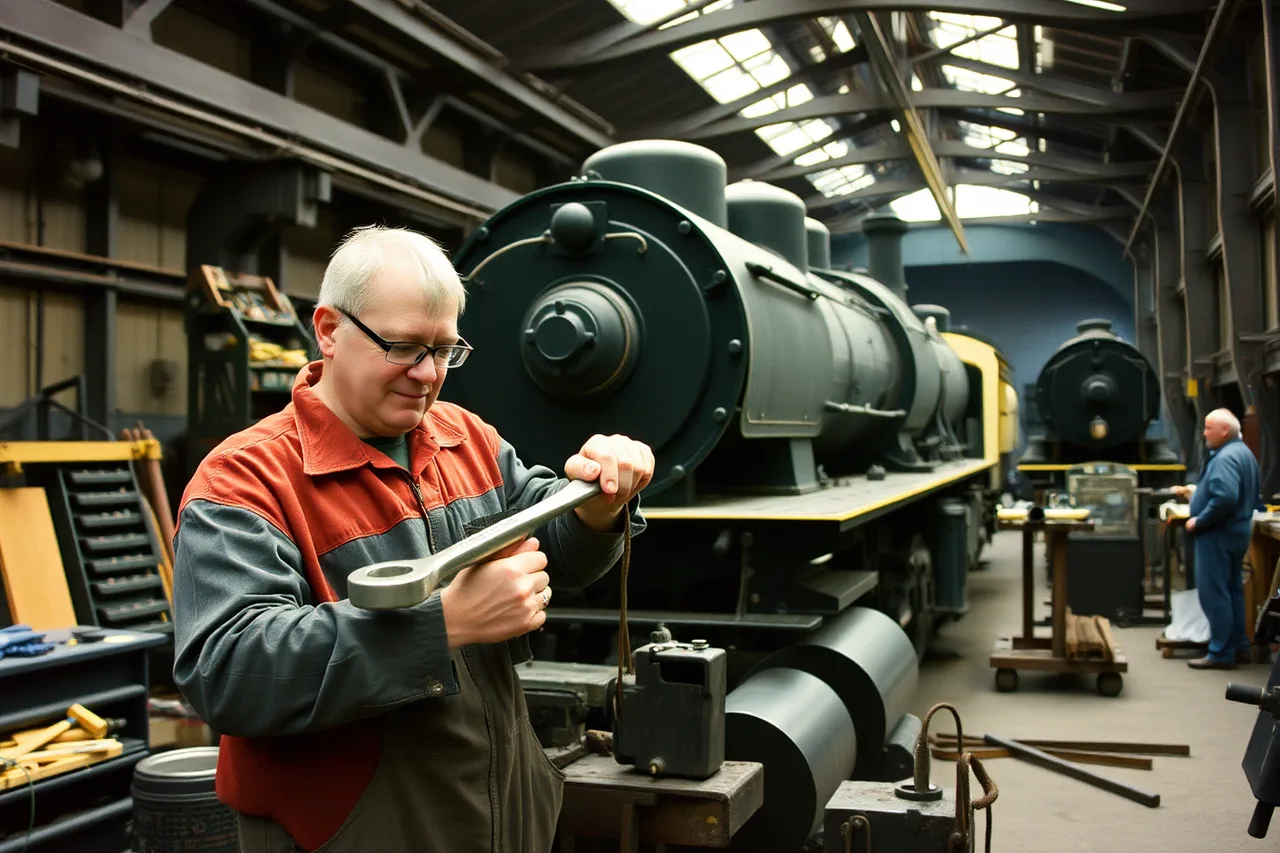
- Steamtown National Historic Site.In Scranton, Pennsylvania, volunteers help with locomotive shop work, museum tours and train operations. Roles vary by season.
- Sloss Furnaces National Historic Landmark.In Birmingham, Alabama, volunteers guide the preserved ironmaking site and help at events. Weekend tours are common.
- National Museum of Industrial History.In Bethlehem, Pennsylvania, docents guide steel, silk and machinery exhibits. Applications are online and training is provided.
- Charles River Museum of Industry & Innovation.In Waltham, Massachusetts, volunteers lead tours on the American Industrial Revolution. The museum occupies an 1814 textile mill.
- Western Museum of Mining and Industry.In Colorado Springs, Colorado, volunteers demonstrate mining equipment and lead tours. New guides get training.
- Nevada Northern Railway Museum.In Ely, Nevada, volunteers restore and operate steam locomotives and lead shop tours. Work days are posted online.
Participatory projects
The other route is projects that need public help: documentation, cataloging, surveying, monitoring.
The Park Service's citizen science programs are one formal version. Heritage groups also record headstones, transcribe ledgers and photograph structures before demolition.
Join one for a day and you meet local historians, retired engineers and the volunteer who has guided the ironworks tour for fifteen years. Pair that working plant with the historic version of the same process, and a two-day itinerary built around factory tours writes itself.
Hiring the local person
For a region, a local guide for one day beats a regional operator for three.
Rates are modest, arrangements are informal, and the knowledge is deeper.
What a local cannot always provide is access to a working plant, which is what an operator sells. The two are complementary.
Agree in advance: the hours, the rate, whether they drive or you do, and what happens if a site is closed.
The credential that matters
Ask what they cannot get you into.
A guide who says the big plant does not take visitors, the mine tour runs only in summer, and the mill is closed for repairs knows the region.
One who says everything is possible has not tried recently.
Making contact
Write to the site, not to an individual, and ask to be put in touch.
Volunteers rarely publish contact details and sites are used to passing on inquiries.
Give two weeks, be flexible about the day, and offer to pay.
How to judge the operators these guides sometimes work for is in the operator watchlist, and the way museums find and keep their own guides explains where most of this expertise is housed.