Industry
Part of Fourteen kinds of manufacturing museums are worth building a whole trip around
Machine time and materials matter more to manufacturing museums, compared with money
These museums run on volunteers and small grants. The most valuable thing a local firm can give is not money: it is machine time, materials and expertise.
What to take away
- Skilled time beats cash. A machinist who can turn a replacement part solves a problem money cannot.
- Materials, offcuts and consumables are worth more than they cost you and are usually free to give.
- Retired staff are the museums' most valuable asset and the hardest thing to replace.
- A museum anchors a downtown. Businesses around it benefit whether or not they ever donate anything.
Manufacturing museums are chronically short of two things: people who understand the machinery, and small amounts of money at the right moment. Local businesses can supply both more easily than they think.
Give machine time, not money
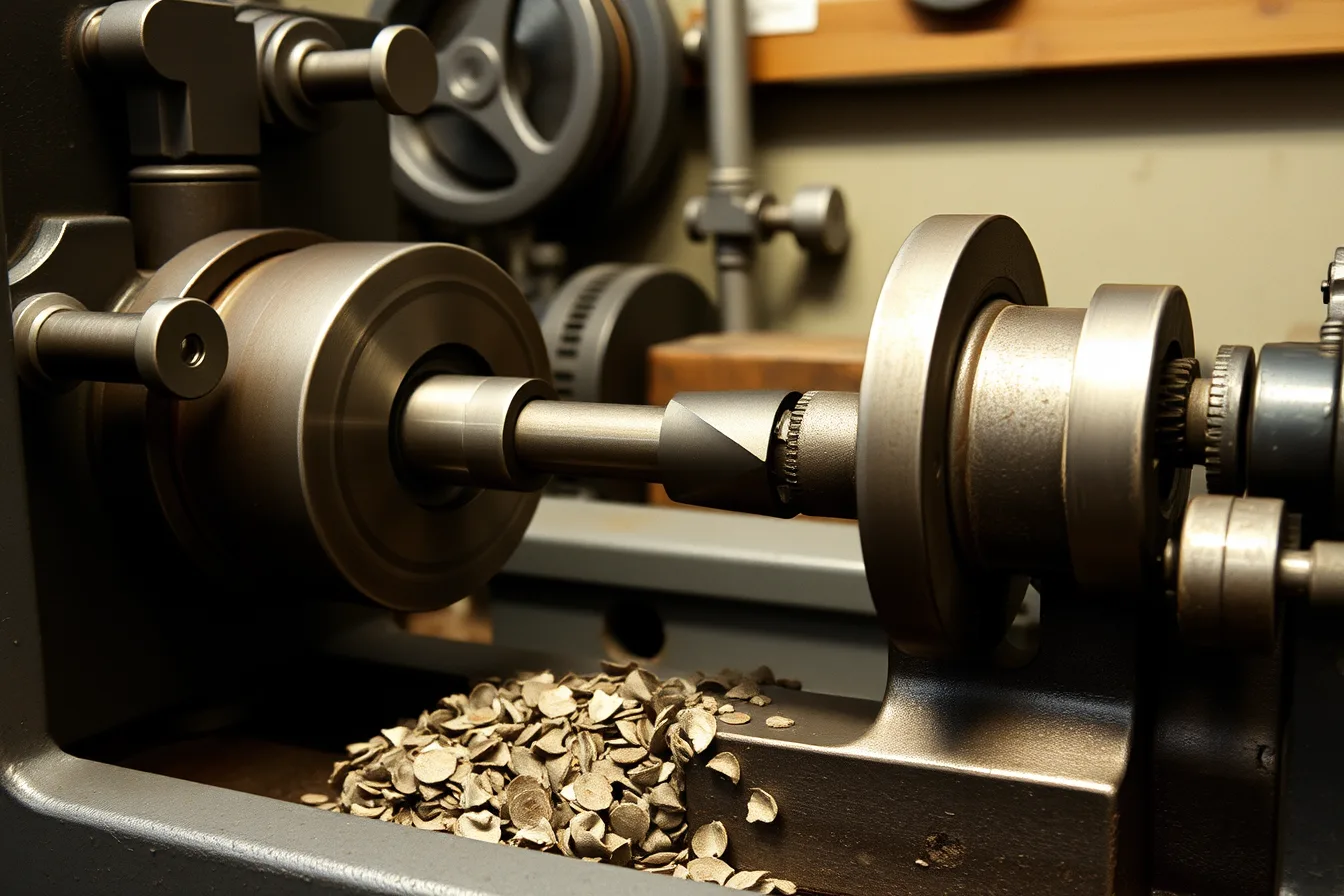
The most common thing that stops a museum machine running is a broken part nobody makes any more.
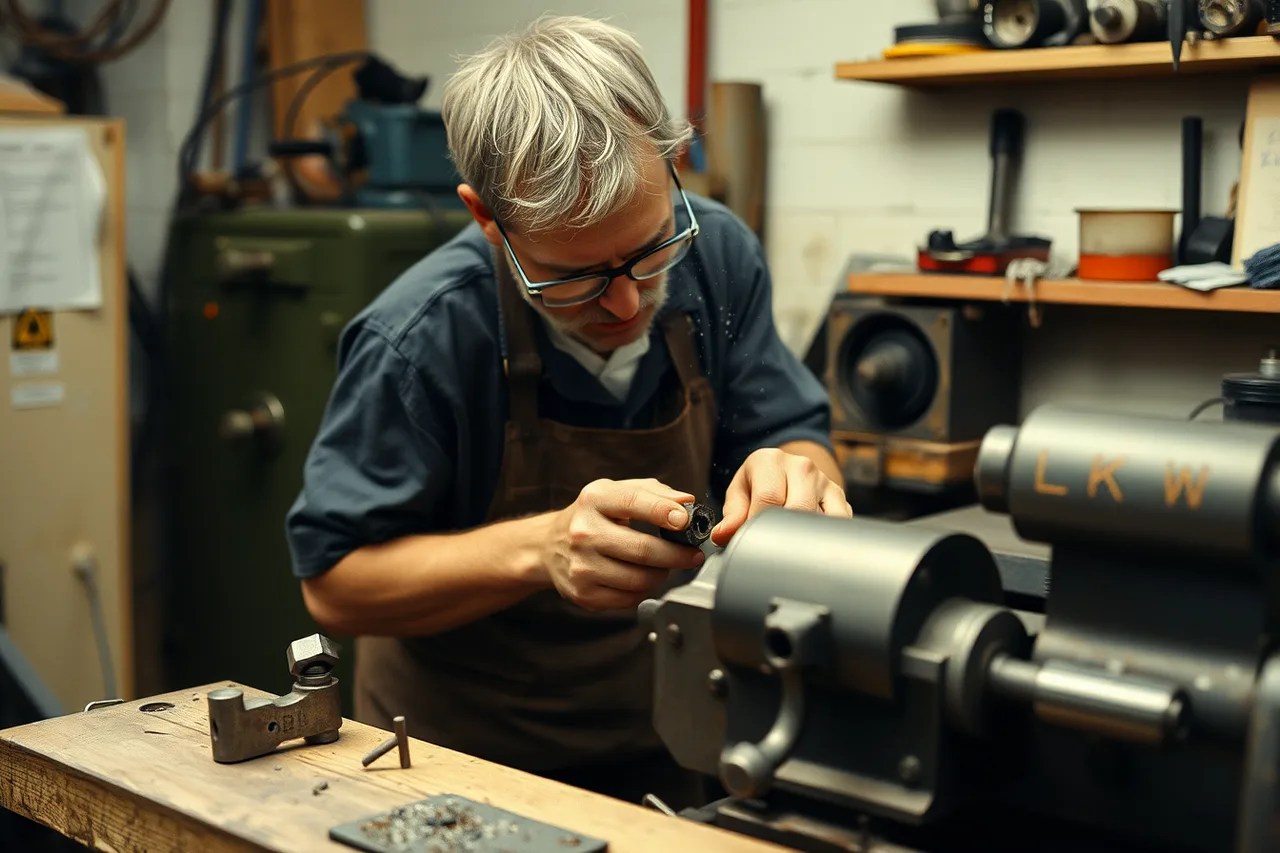
A local shop that can turn, mill or weld a replacement is solving a problem that has no commercial solution. The work is usually an hour, it is interesting to whoever does it, and it puts a hundred-year-old machine back into demonstration.
The same applies to calibration, electrical inspection, lifting equipment checks and anything else a museum has to pay for at commercial rates.
Give materials
Offcuts, stock ends, consumables, fasteners, lubricants, timber, sheet, wire. Museums operate on donated material and buy almost nothing.
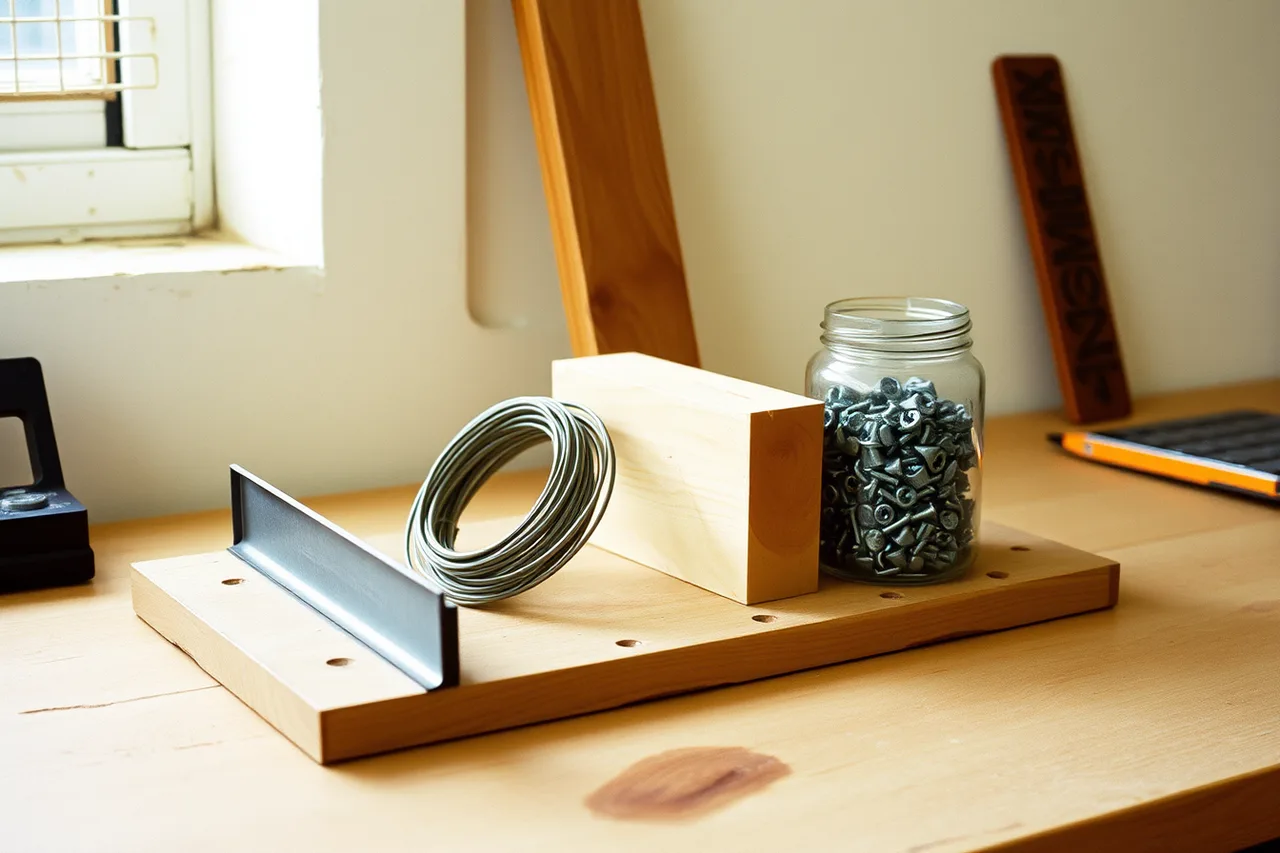
Ask what they consume rather than offering what you have spare. The answer is usually specific and small.
Second the people
Retired staff who worked the processes are the single most valuable thing these museums have, and there is no replacement once they stop coming.
Businesses can help in two ways: putting retiring employees in touch with the museum, and letting current staff volunteer occasionally on paid time. A half day a month from one machinist is transformative for a small museum.
The town-scale argument
Museums anchor downtowns, and the businesses that benefit most are frequently the ones that never contribute anything.
New Bedford in Massachusetts is a good illustration of a park and a working waterfront sharing a district, and the history the park interprets is the same industry that shaped the streets the shops and restaurants now occupy.
Practical version for a business: open at the museum's opening hours, put its leaflet on your counter, sponsor the free family day rather than the gala, and tell visitors what else there is to see.
Where public money comes from
Small museums live off grants, and the funding is worth understanding before offering to help write an application.
The National Endowment for the Arts' research and publications set out how cultural funding and its economic effects are studied, which is the sort of evidence a museum needs when it makes the case to a municipality or a foundation.
A business can help most by supplying the local economic evidence: visitor numbers, spending, the sponsorship you provide. Museums rarely have that data and funders always ask for it.
What not to do
Do not donate machinery without asking. Museums are full of donated machines they cannot store, move or interpret.
Do not offer branding on interpretation. Sponsor the event, not the label on the exhibit.
Do not promise recurring support you will review annually. A museum that plans around a grant it then loses is worse off than one that never had it.
What visitors can do
Pay the suggested donation, buy something in the shop, and say what you enjoyed to the volunteer at the desk. Their funding case is built from exactly that.
Which museums are worth this attention is set out in the shortlist of types, and the stops worth building into a longer trip are usually the ones with the strongest local support behind them.