Reviews
Part of Fourteen kinds of manufacturing museums are worth building a whole trip around
Running machinery time separates strong manufacturing museums tours from weak ones
Compare on two axes only: how many minutes you get in front of running machinery, and whether the guide worked the process or learned the script.
What to take away
- Count the minutes in front of working machinery. That number predicts the whole experience.
- Ask who leads it. A former operator and a trained volunteer give very different tours.
- Multi-site tours trade depth for coverage. Decide which you want before comparing prices.
- A tour that avoids labor history is telling you what it thinks the subject is.
Two tours of the same museum at similar prices can differ by an hour of machine time and by whether the person leading it has ever run the equipment.
Neither difference appears in the listing, and both are askable.
Axis one: time with running machinery
Ask how many demonstrations are included, how long each lasts, and whether the tour waits for them or walks past.
Questions on machine time
- How many demonstrations are included?
- How long does each demonstration last?
- Does the tour wait for demonstrations?
- Can you stay afterwards?
The good version schedules the tour around the demonstrations. The weak version treats them as things you may catch if the timing works.
Ask also whether you can stay afterwards. Some tours release you into the museum, which is worth more than the guided portion.
Axis two: who is leading it
A former operator or engineer. Explains why the machine is arranged that way and what went wrong in practice. Unbeatable.
Guide backgrounds compared
Former operator/engineer
- Process knowledge
- Unbeatable
- Best for
- Why and what went wrong
Long-serving volunteer
- Process knowledge
- Excellent
- Best for
- Museum history
Trained guide
- Process knowledge
- Thin
- Best for
- Consistency
Tour company rep
- Process knowledge
- Less than you
- Best for
- Logistics
A long-serving volunteer. Usually excellent, particularly on the museum's own history.
A trained guide. Consistent, accurate, thin on anything outside the script.
A tour company representative. Handles the logistics and knows less about the process than you will by the end.
Ask directly. Good operators name the guide's background because it is a selling point.
Depth against coverage
Multi-site tours cover three or four museums in a day. Single-site tours give you one, slowly.
Coverage suits a first visit to a region. Depth suits anybody who already knows what a mill is. Corridor tours are the middle case, and corridors with a long industrial history sustain them well.
The Chesapeake and Ohio Canal is that kind of corridor, and the park's history covers the transport system that connected quarries, mines and mills along the Potomac, with interpretation spread over many miles rather than gathered at one visitor center.
What a serious tour includes
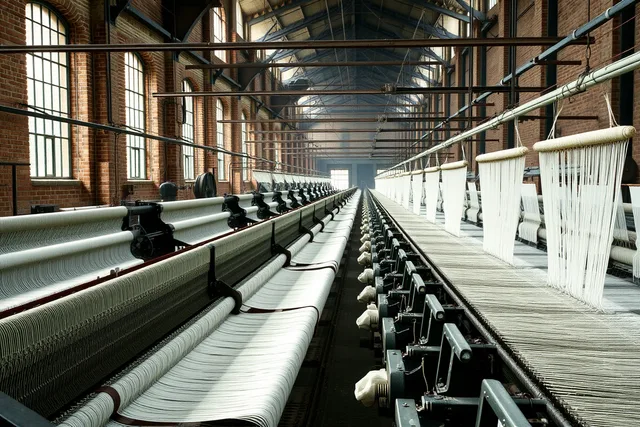
- Time in front of machinery that is running
- An explanation of the process from raw material to product
- Something about the workforcehours, pay, injuries, disputes
- Access to at least one space that is not on the self-guided route
- Somebody who can answer a technical question properly
That third point is the sharpest test. Sites with a complicated labor history vary in how directly they address it. Harpers Ferry is a place where the industrial story and the political one are inseparable, and the park's history pages cover the armory, the town and the events that made it nationally significant, which is the kind of integration a good tour manages and a weak one avoids.
The practical comparison
| Question | Better answer |
|---|---|
| Machine time | Scheduled around demonstrations |
| Guide | Worked the process |
| Group size | Under twelve in a machine hall |
| Included | Admission, demonstrations, one back-of-house space |
| Photography | Permitted, with sensible limits |
| Cancelation | Clear, and generous when machinery fails |
After the tour
Judge it on one question: could you now explain the process to somebody else? If yes, it was a good tour whatever it cost.
Which museums are worth this scrutiny is in the shortlist of types, and the booking questions settle most of what the listing leaves out.