Guides
Manufacturing museums fundamentals: how to read a collection before you visit
Manufacturing museum fundamentals for 2027 help U.S. visitors understand collections, public programs, industrial context, access checks, and accurate guides.
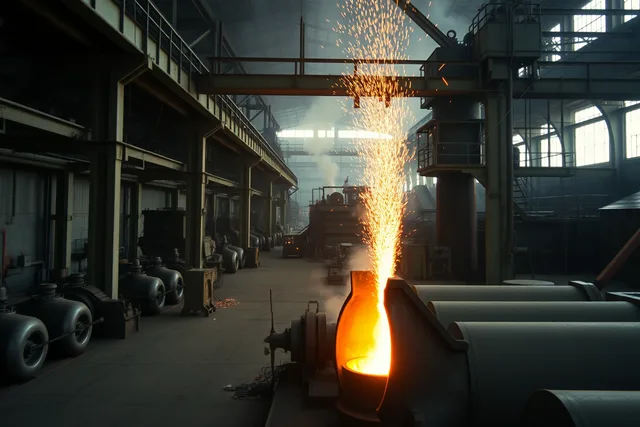
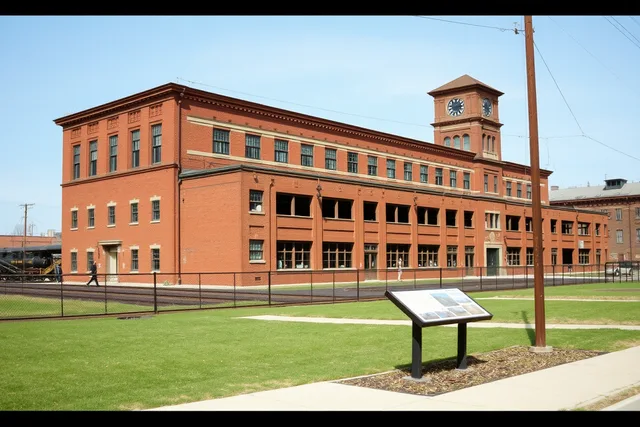
A manufacturing museum can make industrial history understandable without requiring a visit to a working plant. It may use tools, machines, drawings, employee stories, finished products, photographs, models, film, or a preserved work space. Some museums sit in former factories.
Others interpret manufacturing through collections in a new building. The useful question is not whether every object once ran, but what the museum helps a visitor understand and how it supports that interpretation.
For writers, the distinction matters. "Manufacturing museum" is a reader-friendly category, not a promise of live production, open workshops, or universal accessibility. A reliable guide identifies the actual public experience and describes the collection's role.
What to take away
- Manufacturing museums use objects and interpretation to explain processes, workers, products, and industrial change.
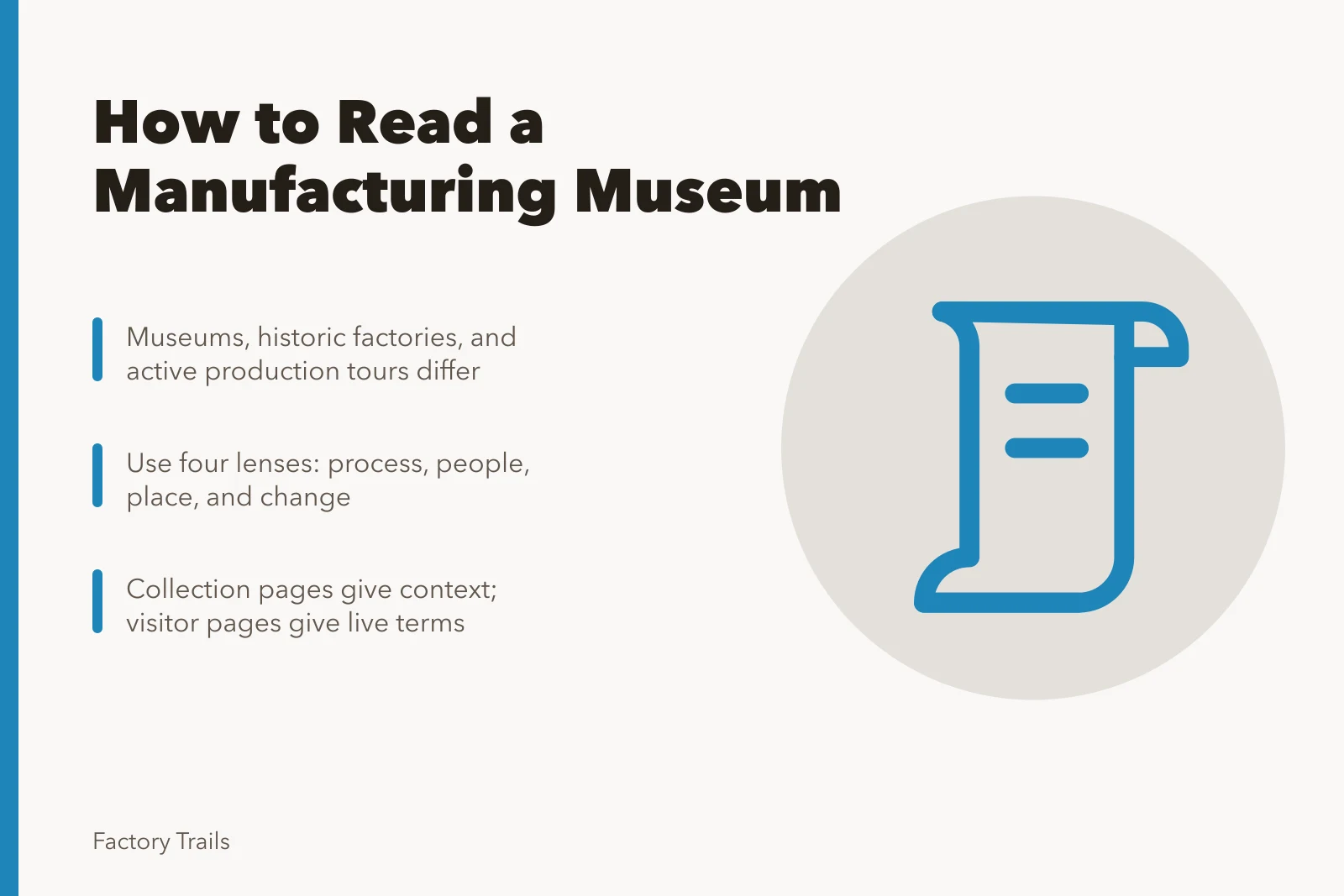
- A manufacturing museum is a collection-based public institution. It is not the same as a factory tour, which is a current public program inside an operating facility.
- A historic factory may be a museum, a preserved site, or both. These are different visitor experiences.
- Use collection pages for context. Use the practical checklist below for current hours, tickets, accessibility contacts, demonstration schedules, and photography rules.
- Good museum coverage names what a visitor can see without overstating public access or object use.
What counts as a manufacturing museum?
The category includes museums and public historic sites that explain how goods, infrastructure, technology, and labor shaped a place. A collection might focus on one industry, such as textiles, railroads, arms, glass, mining, or food processing. It might also explain a broader industrial region through machinery and material culture.
Museum Experience Types
Manufacturing museum
- Visitor receives
- Exhibits, objects, labels, programs
- Does not provide
- Live production tour
Preserved industrial site
- Visitor receives
- Historic structures, machines, route
- Does not provide
- Entry to all spaces
Active factory tour
- Visitor receives
- Current public program inside factory
- Does not provide
- Full history museum collection
Industrial heritage route
- Visitor receives
- Context across a public setting
- Does not provide
- Staffed indoor exhibit at each location
What the visitor usually receives
- Manufacturing museum
- Exhibits, objects, labels, programs, and research context
- Preserved industrial site
- Historic structures, machines, route, or demonstration
- Active factory tour
- A current public program inside a working facility
- Industrial heritage route
- Context across a public setting
What it does not automatically provide
- Manufacturing museum
- A live production tour
- Preserved industrial site
- Entry to all spaces or operating equipment
- Active factory tour
- A full history museum collection
- Industrial heritage route
- A staffed indoor exhibit at each location
These categories can overlap. A historic factory may include a museum. A museum may preserve a machine shop. An active company may display historical objects. The guide should name the current public program rather than relying on a broad label.
Step 1: Identify what the collection documents
Objects do more than decorate a room. A machine, a tool, a payroll record, a technical drawing, or a worker's photograph can make a process visible. The interpretation tells the visitor why that object belongs in the story and what it can reasonably demonstrate.
The National Park Service's museum-exhibit handbook chapter explains that exhibits connect objects, labels, images, and other resources around a selected rationale. That is a useful way to visit a manufacturing museum. Ask what story the exhibit is making, which objects carry the evidence, and what surrounding context gives the objects meaning.
Do not assume a display machine is operational. Some are preserved as artifacts, some are replicas, and some may only operate during a stated demonstration. If that distinction matters, use the museum's current description or ask the institution.
Four lenses for a first visit
You do not need specialist training to get value from a manufacturing collection. Use four lenses, each with a named example.
Four Lenses for a First Visit
- Processfollow one process through the display
- Peoplewho designed, operated, maintained, or repaired
- Placewhy manufacturing happened in this area
- Changewhat changed over time in work or product
Process
What raw material, tool, energy source, skill, or transport system does the exhibit show? Follow one process through the display rather than trying to memorize every object. The National Museum of Industrial History in Bethlehem, Pennsylvania, traces steelmaking steps such as ore handling, furnaces, rolling, and shipping on a former steel site.
People
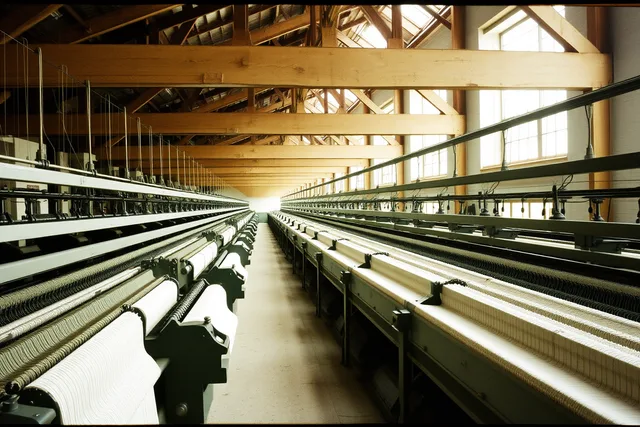
Who designed, operated, maintained, supervised, transported, sold, or repaired the work? An industrial story is incomplete when it reduces people to background scenery for machines. Lowell National Historical Park in Massachusetts interprets mill workers, including women and immigrants, through boarding houses and the Boott Cotton Mills Museum.
Place
Why did manufacturing happen in this town or surrounding area? Look for water, rail, port, road, resources, markets, housing, and policy. The answer may be partial, but the exhibit should give clues.
Hagley Museum and Library in Wilmington, Delaware, interprets the du Pont gunpowder works along the Brandywine River, where water power, transport, and company housing shaped the site.
Change
What changed over time? A museum may show the shift from hand work to mechanized work, a changed product line, a changed labor force, or the reuse of a former industrial site. Describe the particular evidence rather than asserting an entire regional trend.
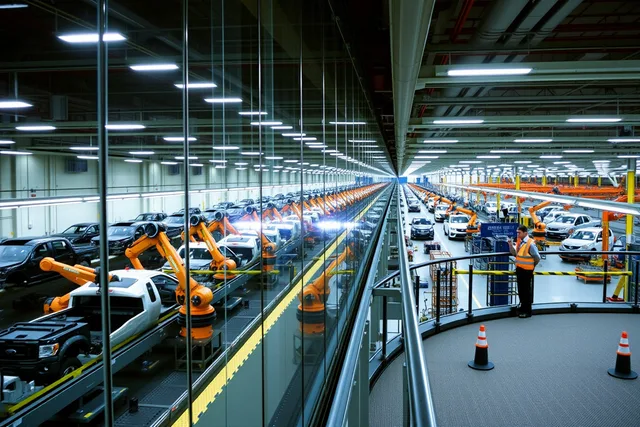
The Henry Ford in Dearborn, Michigan, pairs its museum with Greenfield Village and a separate Ford Rouge Factory Tour to show changes from early workshops to mass production.
Plan the practical visit with one checklist
The collection page and the visitor page serve different jobs. Use the collection page to understand the subject. Use the museum's own current visitor information for days, hours, ticket terms, directions, accessibility contacts, closures, and special program requirements.
Check / Where to confirm
- Hours and days
- Museum's plan-your-visit page
- Tickets and entry terms
- Museum's ticket page or box office
- Accessibility contact
- Museum's accessibility page or front desk
- Demonstration schedule
- Museum's calendar or program page
- Photography rules
- Museum's photo policy page or staff
Historic significance does not prove that every display is open or that a demonstration runs every day. Museums rotate exhibits, close rooms for conservation, and revise programs.
Step 2: Read how labels turn objects into evidence
A long list of machines can become noise. Helpful interpretation gives an object a job in the story. It may explain how an item was made, who used it, what it replaced, why it mattered to a community, or how it connects to another object nearby.
Ask three questions at any display:
- What is this object or image?
- What does the label say it helps explain?
- What additional question does it raise?
The third question is valuable. It prevents the visit from turning into passive consumption and may guide later research with a museum library, archive, or responsible public source.
Sample questions for staff:
- Was this machine used here?
- Is it original or a replica?
- Does it run during a demonstration?
- Which records document this process?
- What part of the collection is not on display?
Keep claims inside the documented record
An article should not claim that a museum represents every worker's experience, every technical detail, or every local industry. State the institution's documented focus. If you compare museums, explain the comparison criteria: one may be strongest for machinery, another for worker history, another for a preserved industrial setting.
Build a useful museum day
An effective visit often includes one primary museum and one complementary public experience. Pair a machine-focused exhibit with a public route that shows the industrial setting. Pair a preserved site with a collection that supplies social history. Avoid stacking several museums that repeat the same material unless the group has a clear research reason.
| Role | Good use |
|---|---|
| Anchor | One main museum that matches the visit's central question. |
| Context | A public route, historic district, or archive that shows the wider industrial setting. |
| Place-based | A preserved site or industrial setting that explains why production happened there. |
| Backup | A small collection or research stop for a topic the anchor does not cover. |
Build a Useful Museum Day
- Anchor museumestablishes central process or story
- Context stopadds workers, neighborhood, or market history
- Place-based stopshows public relationship to water, rail, road
- Backuppreserves the day's question if program changes
Confirm each stop on its own terms. A nearby historic building may be part of the story without being open to visitors.
Date visits and separate observation from institution facts
If you describe a visit, date it. You can say that a public label or display was observed during a visit. You cannot use that one visit to guarantee a permanent exhibit, accessibility condition, or operating schedule. Keep personal impressions separate from institutionally supported facts.
Photos require the same care. Credit the source, provide accurate alt text, and state when a photo is visual context rather than evidence of the museum's current program.
Use a museum visit to improve future research
The strongest museum visits create better questions. A label may name a process that deserves a separate source check. A display may reveal that a familiar product depended on a local transport route, a particular workforce, or a supply chain. Save those questions for later research instead of forcing answers into the visit article.
If the museum provides a library, archive, research contact, or reading list, treat it as a lead rather than a shortcut. Confirm which source supports which claim.
A primary document can help with a precise fact; an exhibit label can help explain how the institution presents an object; a current visitor page can answer practical questions. The sources complement each other without doing the same job.
Match the title to the public experience
Set expectations in the title and description. A fundamentals guide should prepare a first-time visitor to read a museum, not promise access to an active production line or a private archive. A regional directory should say that it compares public experiences, not every industrial property. Clear framing makes content more useful and gives museums fairer representation.
The National Park Service visitor conditions guidance explains that current visitor conditions may change.
The National Archives' records-management fundamentals explain why a factual decision needs a traceable record.
The National Park Service Museum Handbook is a professional museum reference.
Common questions
Is a manufacturing museum the same as a factory tour?
No. A museum interprets collections and history. A factory tour is a current public program inside an operating facility. Some sites offer both, but they should be described separately.
How can visitors tell whether a machine is working?
Use the museum's current program information or ask staff. Do not infer operation from the way an object is displayed.
What should a museum guide verify before publication?
Verify the actual public experience, operator, and time-sensitive visitor details. Use separate evidence for historical context.
Can a sponsored museum listing be trustworthy?
Yes, with disclosure and independently checked wording for factual claims.