Guides
Manufacturing museums planning workflow: how to build a visit day that holds up
Planning manufacturing museum visits in 2027 helps U.S. readers build practical days around current terms, collection goals, access needs, timing, and backups.
What to take away
- Name one industrial question before opening a map. "How did water power turn cotton into cloth here?" gives the collection a job.
- Pick one anchor with a confirmed public activity, then add a second stop that answers a different part of the question.
- Build the day in blockstravel, check-in, orientation, gallery, break, second stop, return buffer.
- Keep a backup that is open on the same terms and still answers the original question.
- Check hours, tickets and access once, on the institution's own page, the night before.
Choose an anchor you can actually enter
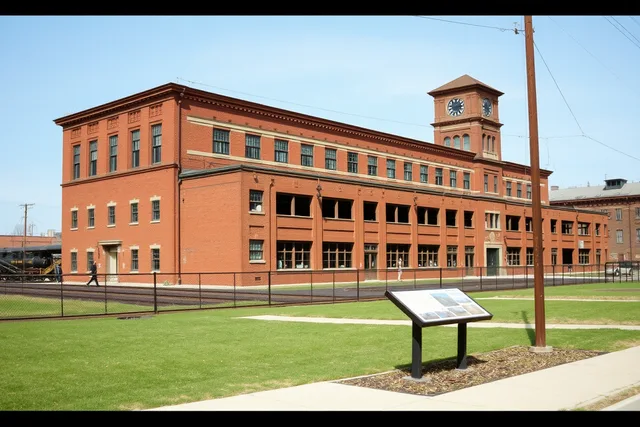
A manufacturing museum only works if a visitor can walk in and see something. Lowell National Historical Park in Massachusetts runs its own textile exhibits and publishes current visitor terms for tours and programs. The grounds are free; the Boott Cotton Mills Museum charges a separate admission.
Compare guided, virtual and self-guided formats using the factory tour options checklist before you give one site a whole day. A preserved furnace paces differently from a gallery of machines.
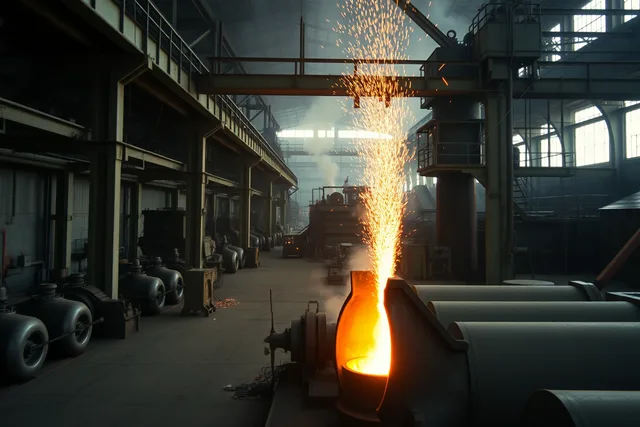
Sloss Furnaces in Birmingham, Alabama, keeps a blast furnace complex with self-guided grounds and scheduled programs, described on its site history page.
Hershey's Chocolate World is a visitor center attraction, and the factory itself is not open for public tours. In Canada, the Royal Canadian Mint sells tours of its Winnipeg production plant while Ottawa runs a smaller boutique mint.
Ticket prices move. Independent manufacturing museums commonly charge a typical adult admission in the $10 to $25 band, and many National Park Service sites charge nothing for the grounds. Treat that as a planning range, not a quote. The figure that counts is the one on the ticket page the day you book.
Confirm what a visitor can do
Check these five items before you commit:
- Enter a gallery or exhibition building without a reservation
- Join a guided tour, and whether booking is required
- Watch a demonstration or a running machine
- Walk a public route through the site
- Book a paid program with a fixed start time
Confirm Public Activity
- Enter a gallery
- Take a guided tour
- Attend a demonstration
- Use a public route
- See a temporary exhibit
Choosing between two candidates gets easier once the manufacturing museum comparison questions have answers in writing.
Build the day in blocks
Map distance hides parking, check-in, restrooms and reading time. Build the itinerary door to door.
- Travel, parking and arrival, 30 to 45 minutes before opening.
- Check-in, bag rules and orientation, 20 minutes.
- Anchor galleries or the guided tour, 90 to 120 minutes.
- Break with seating and a restroom, 30 minutes.
- Second stop, 45 to 60 minutes.
- Return buffer, 20 minutes.
Realistic Visit Timeline
- ArrivalWhere is the public entrance and parking?
- OrientationIs there a map, visitor center, or intro exhibit?
- Core collectionWhich displays answer the question of the day?
- BreakWhere can the group rest or eat within site rules?
- Second stopDoes it add a distinct perspective?
Avoid one universal visit duration. A family, a class and a researcher pace the same galleries differently.
Example: one day at Lowell, Massachusetts
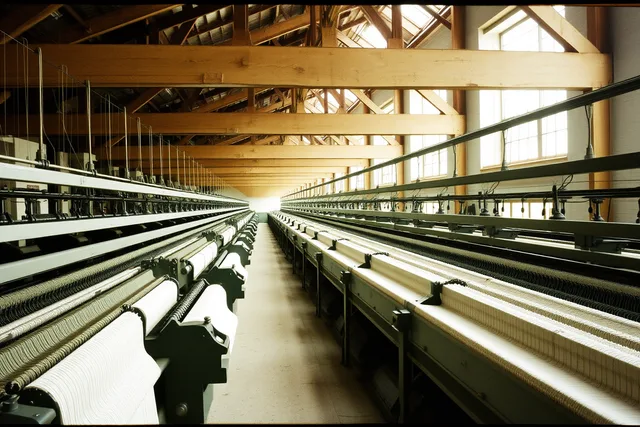
Purpose: how water power turned cotton into cloth. Anchor: the Boott Cotton Mills Museum, arriving for opening. Backup: the New England Quilt Museum downtown, which answers what happened to the finished cloth. Plan: 9:00 arrival, 9:20 orientation, 10:00 looms, 12:00 lunch, 1:00 quilt museum, 3:00 finish.
The quilt museum is an operating second stop with its own admission and hours, so it earns a place only when finished textiles belong to your question.
Pair the anchor with a second stop of a different kind
| Anchor | Second stop | Different job |
|---|---|---|
| Lowell National Historical Park, working looms | New England Quilt Museum, Lowell | Finished cloth and design, not machinery |
| Sloss Furnaces, Birmingham | Iron and Steel Museum of Alabama, Tannehill | Ironmaking process and the state's furnace network |
| Britannia Mine Museum, British Columbia | West Coast Railway Heritage Park, Squamish | Moving ore and people, not extracting it |
| Hershey's Chocolate World, Pennsylvania | The Hershey Story | Company and town history, not a plant floor |
Each pair splits the question in two. The Alabama industrial heritage guide maps the mines, furnaces and company towns within a day's drive if Sloss Furnaces is your anchor.
Plan access, backup and the final check
Accessibility at a historic industrial site is a list, not a label. Ask about parking, surfaces, doors, elevators, seating, light, sound, captions and restrooms. Report a confirmed feature precisely and send other questions to the site.
A backup needs confirmed public terms and must still answer your question. Some sites book only in advance. A working factory exterior is not a substitute simply because it sits nearby.
Then check once. Open the anchor's visitor page the night before and confirm times, tickets, reservations, address and access contacts. Adjust the plan rather than trusting an old printout.