Costs
Part of Industrial heritage travel: the record, kept honest
Heritage travel compared: a compact city costs far less to see than a scattered region
Two trips, same length, very different bills: a compact mill city you walk around, and a copper region where the sites are forty miles apart.
What to take away
- A compact industrial city is a walking trip. Two nights, one base, rooms typically $120 to $200 a night.
- A dispersed heritage region is a driving trip. Three nights, usually two bases, and 250 to 350 total miles.
- Same duration, same interest, the dispersed version typically costs $80 to $150 more in fuel and mileage.
- Choose the shape first. It decides the budget and how much you actually see.
Two trips of three days can cost very different amounts for reasons that have nothing to do with luxury. Industrial heritage comes in two geometries, and the geometry is the budget.
Shape one: the compact industrial city
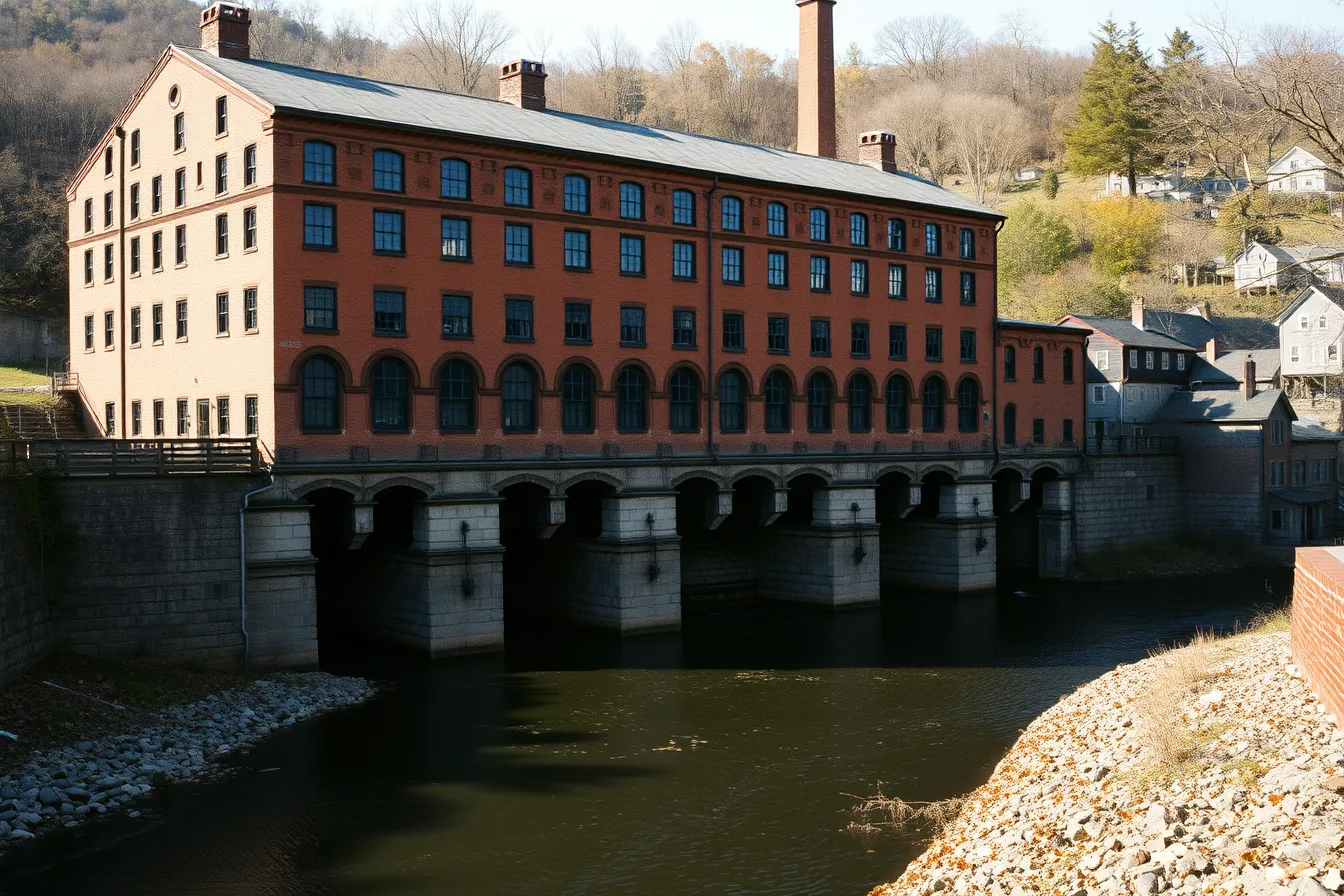
Lowell, Massachusetts is the compact mill city case. Its mills, canals and worker housing sit inside a few square miles. The Blackstone River Valley in Rhode Island and Massachusetts is a looser corridor, and the Park Service's account of it traces the mills, the river and the villages together.
What the budget looks like. Two nights at $120 to $200 a night. Two or three admissions, typically $10 to $25 each. Parking rather than mileage, often $0 to $20 total. The transport line stays close to zero.
Where the money goes. Accommodation and food. Dinner typically $15 to $30, and breakfast is often included.
What it buys. Density. Four or five sites in two days without hurrying, and time to see the housing, which is where the social history is.
Shape two: the dispersed heritage region
An industry spread across a whole district, with sites forty minutes apart and terrain that is part of the subject.
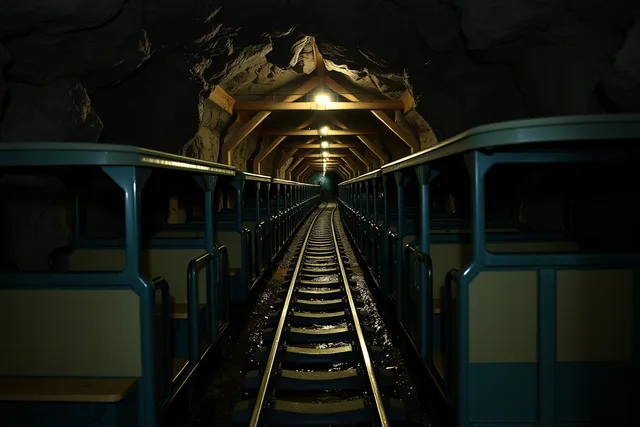
The Keweenaw Peninsula in Michigan is the classic case, and its copper mining history is told across mine sites, company towns and processing works scattered along the peninsula rather than gathered in one place.
What the budget looks like. Three nights, possibly two different bases. Expect 250 to 350 total miles over three days. Fuel typically $40 to $70 at $3.50 to $4.00 a gallon and 30 miles per gallon. That makes fuel and mileage the largest single line. Fewer sites per day because transport eats the middle of each day.
Where the money goes. The car, and the extra night that the distance forces.
What it buys. The scale of the thing. You understand what a whole extractive economy looked like, which a single museum cannot show.
Side by side
Compact city
- Nights
- Two
- Total miles
- Under 20
- Sites per day
- Three or four
- Typical room
- $120 to $200
- Admissions
- $10 to $25 per site
- Largest cost
- Accommodation
- Best for
- First trip, families, no car
Dispersed region
- Nights
- Three
- Total miles
- 250 to 350
- Sites per day
- Two
- Typical room
- $100 to $180
- Admissions
- $10 to $25 per site
- Largest cost
- Transport
- Best for
- Understanding scale
Choosing between them
For a first industrial trip, take the compact city. More sites, less logistics, and the whole story in one place.
For a second, take the dispersed region, because scale is the thing the compact version cannot teach.
If time is short, the compact city wins outright. If distance is unavoidable, add the extra night rather than compressing the days, since a dispersed trip run at compact pace becomes a driving holiday with brief stops.
What both have in common
Both shapes turn on one or two fixed-time tours, and admissions typically run $10 to $25. Book those tours first.
The method behind these numbers is set out in the budgeting approach, and the seasonal question affects the dispersed version far more, since remote sites close first.