Guides
Part of Industrial heritage travel: the record, kept honest
6 takeaways on industrial heritage travel
Closed shoes, a warm layer for underground, and your own ear plugs. Sites supply helmets and vests; they rarely supply anything that fits your ears.
What to take away
- Closed-toe shoes are a hard requirement at working sites. Sandals get you turned away at the door.
- Carry your own hearing protection. Loud machinery is the point of the visit and disposable plugs are cheap.
- Underground is cold in every season. Pack a jacket even in August.
- Sites supply helmets, glasses and vests. Nobody supplies the things that have to fit you.
Industrial visits have a short list of genuine requirements and a longer list of things that make the day better. The requirements come first because failing them means not getting in.
The things that get you refused entry
Closed-toe shoes. Non-negotiable at any working site and at most preserved plants with machinery. Sturdy soles as well, since floors carry swarf, grit and old fixings.
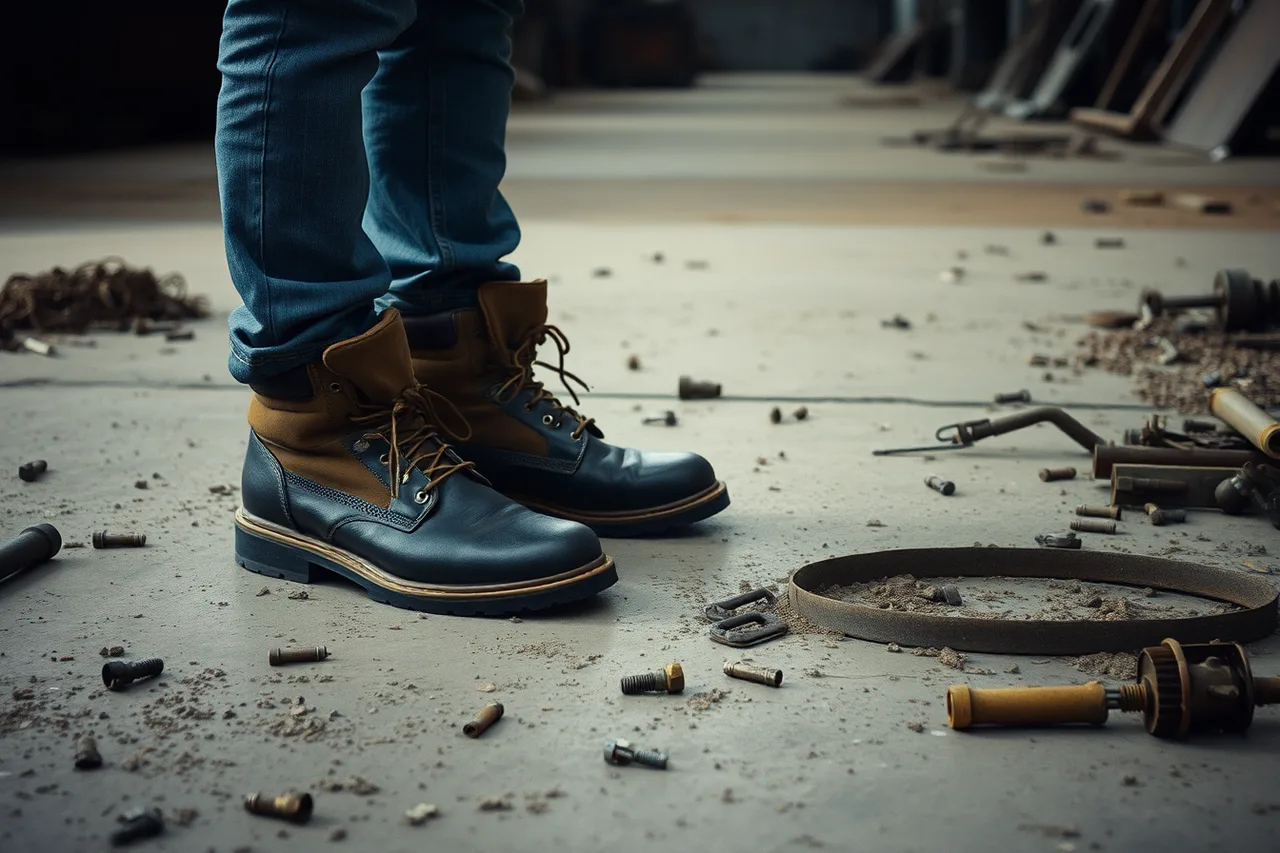
Long trousers, at many working sites.
No loose clothing or dangling items near machinery. Scarves, long straps and lanyards get asked about.
Long hair tied back where anything is turning.
None of this is negotiable at a site with a live plant, and staff enforce it politely and completely.
Hearing protection is your own responsibility
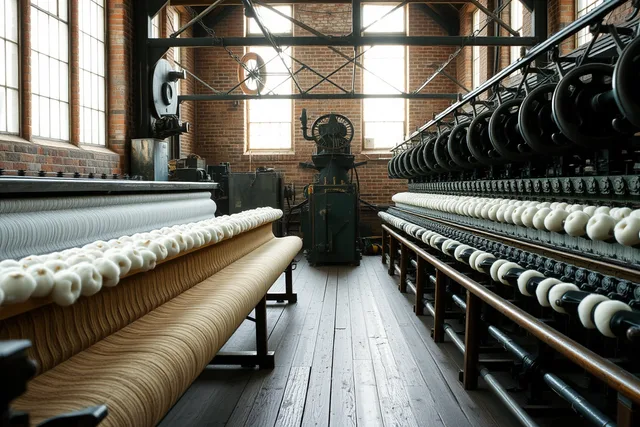
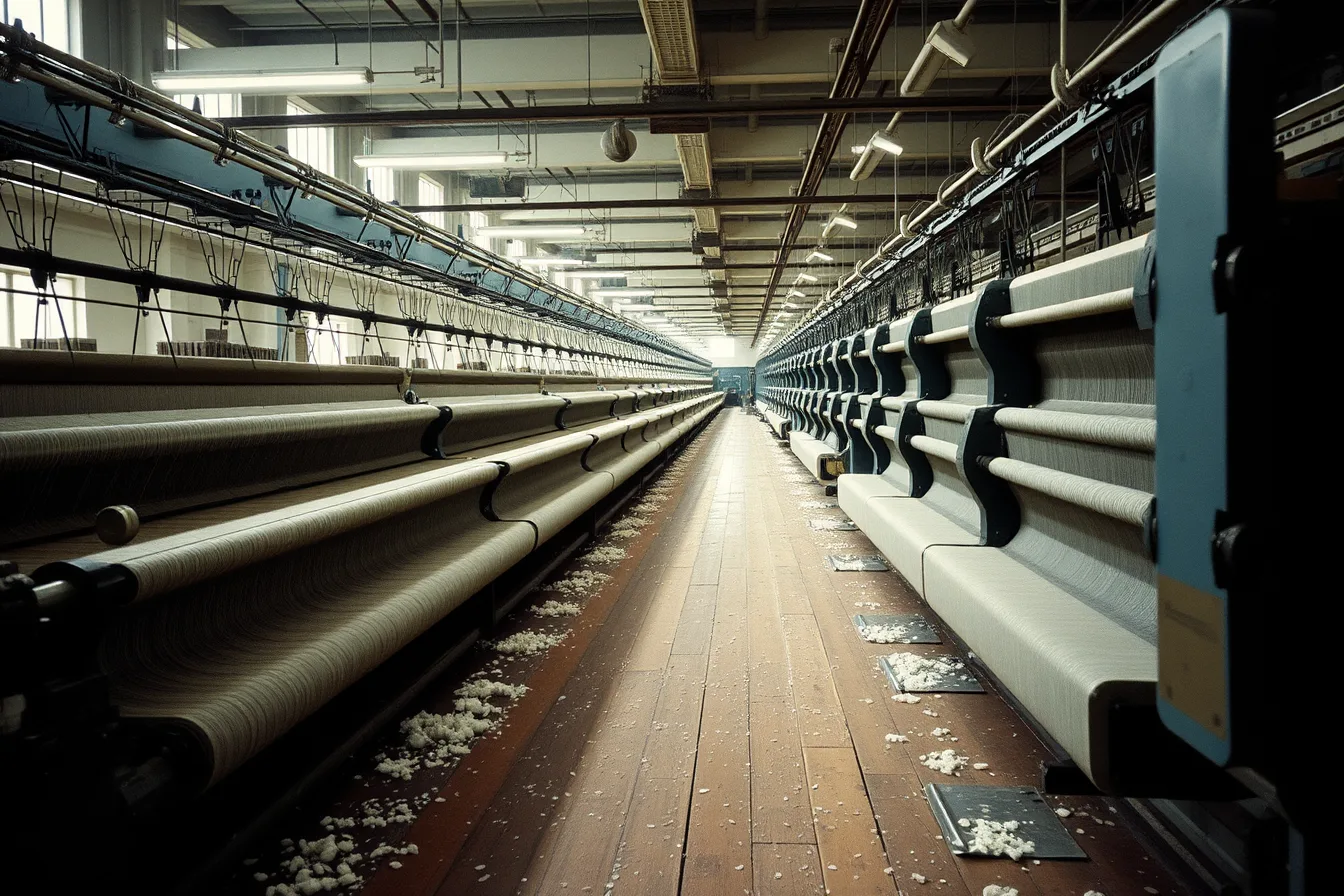
Working machinery is loud, and a mill room with looms running is far louder than people expect.
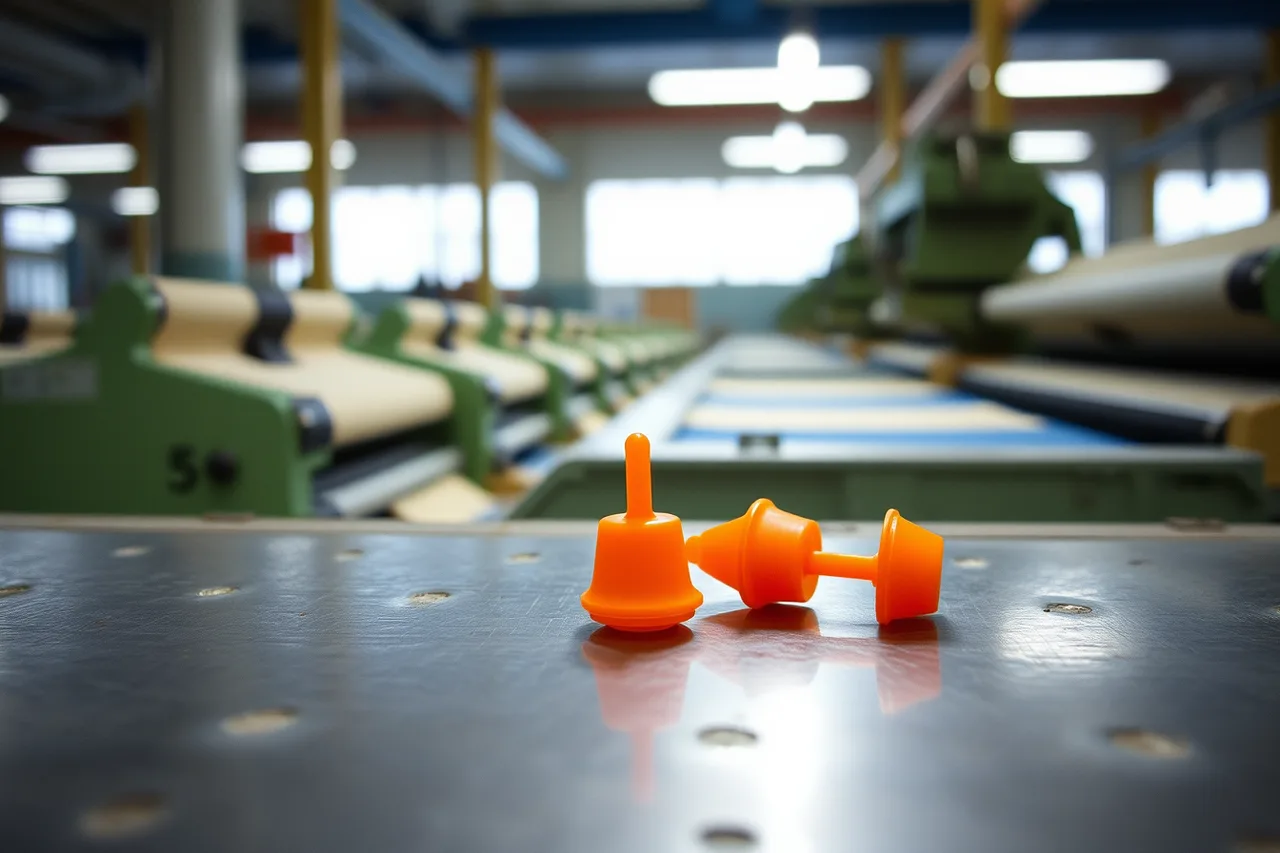
The National Institute for Occupational Safety and Health explains how noise damages hearing and why the damage accumulates without pain or warning. A single tour will not deafen anybody, and a week of them, or a hobby pursued over years, is worth protecting against.
Foam plugs cost almost nothing and fit in a pocket. Bring a pair per person, including children, who feel noise more acutely than adults.
Temperature runs both ways
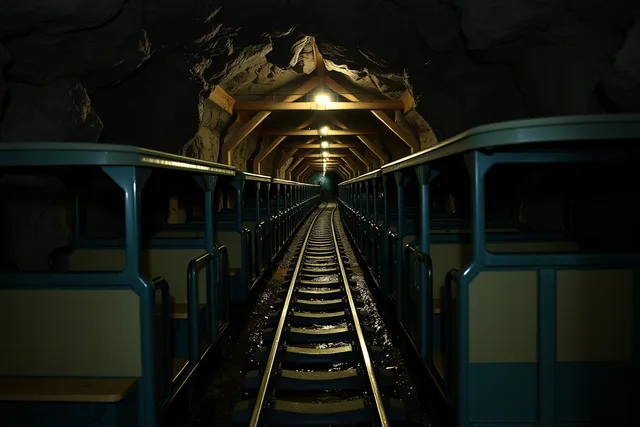
Underground is cold. Mine tours sit near the local ground temperature all year, frequently around ten degrees, with damp air. Bring a jacket even in high summer.
Foundries and glass are hot. Standing near a working furnace in July is a genuine physical experience, so bring water and be honest about your tolerance.
Layers solve both, and a single trip can involve both in one day.
The useful, not required, list
- Small torch, for dim mill interiors and mine tour corners
- Notebook and pencil. Pens fail in cold, damp underground air
- Camera with decent low-light performance, where photography is allowed
- Water, more than you think, particularly at hot sites
- Cash, for volunteer-run museums with no card facilities
- A bag you can wear on your back, since some tours require hands free
- Wet wipes. Industrial sites are dirty and that is part of their charm
What the site provides
Hard hats, safety glasses, high-visibility vests and any specialist protection are supplied where they are required. You do not need to buy your own and you should not turn up wearing your own hard hat.
One thing worth knowing about the glasses they hand you: they are rated equipment rather than sunglasses, and the reasoning behind eye protection at work explains why a site insists on its own rather than accepting your prescription lenses. If you wear glasses, say so at the desk and they will find something that goes over them.
What sites cannot provide is anything that must fit: shoes, warm layers, and hearing protection you are comfortable wearing for an hour.
Access and mobility
Historic industrial buildings involve stairs, uneven floors and narrow passages. If anyone in the group has mobility, hearing or breathing considerations, telephone in advance and describe the need rather than asking whether the site is accessible.
Ask what the tour route involves in steps, distance and surface. Good sites answer precisely.
The order to arrange all this in is in the planning steps, and what the trip costs barely changes with any of it, since the kit is cheap.