Guides
Part of Industrial heritage travel: the record, kept honest
Industrial heritage travel for people who want the details: the 2027 view
Industrial heritage travel: book the constrained thing first, verify that every site is actually open this year, then read the documentation.
What to take away
- Book the hardest thing first. Underground and working-plant tours have the fewest slots and set the whole itinerary.
- Verify opening seasons by telephone. Volunteer-run industrial museums change hours without updating anything.
- Read the site's documentation before traveling. It is free and it doubles what you get from the visit.
- Company towns and single-industry regions are best understood as whole places, not single buildings.
Industrial trips fail in a specific way: everything is loosely possible, nothing is confirmed, and then the one tour that mattered turns out to run twice a week in summer only.
Step one: pick the process and the region
Process by region
Process
- Iron
- Eastern Pennsylvania
- Copper
- Upper Michigan
- Textiles
- New England
- Coal
- Appalachia
Region
- Iron
- Copper
- Textiles
- Coal
Regions matter here because industry clustered around raw materials and transport, so the sites that belong together are physically together.
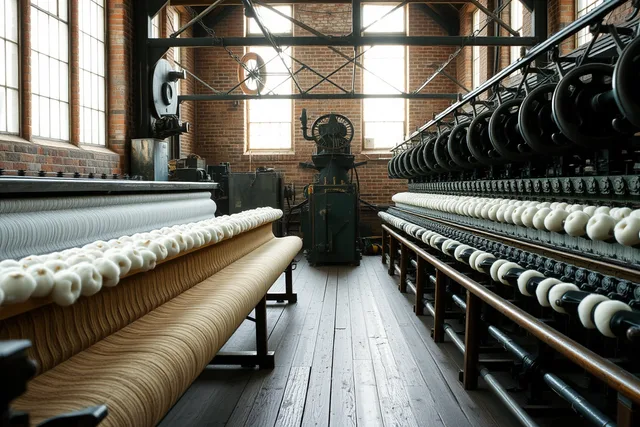
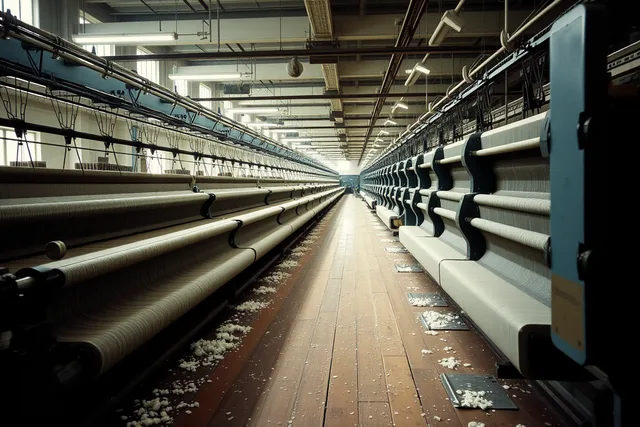
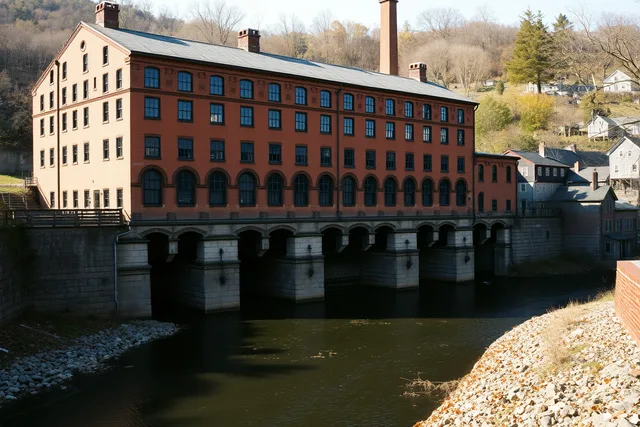
Four categories carry most of the traffic: textiles, mining, steel and canals. Textiles cluster in Rhode Island's Blackstone Valley and in Lowell, Massachusetts. Mining clusters in Michigan's Keweenaw Peninsula, Arizona's Bisbee and the Pennsylvania coal valleys.
Steel clusters around Pittsburgh, Bethlehem and Birmingham, Alabama. Canals cluster on the Chesapeake and Ohio, the Erie and the Rideau. Pick the process you can explain in one sentence, then check that three or more sites sit within a two-hour drive.
Step two: book the constrained thing
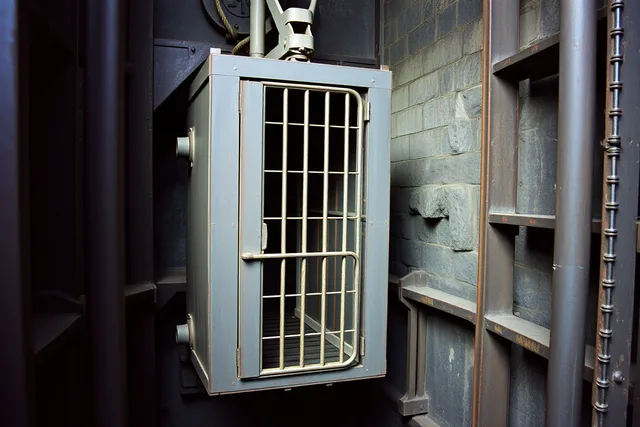
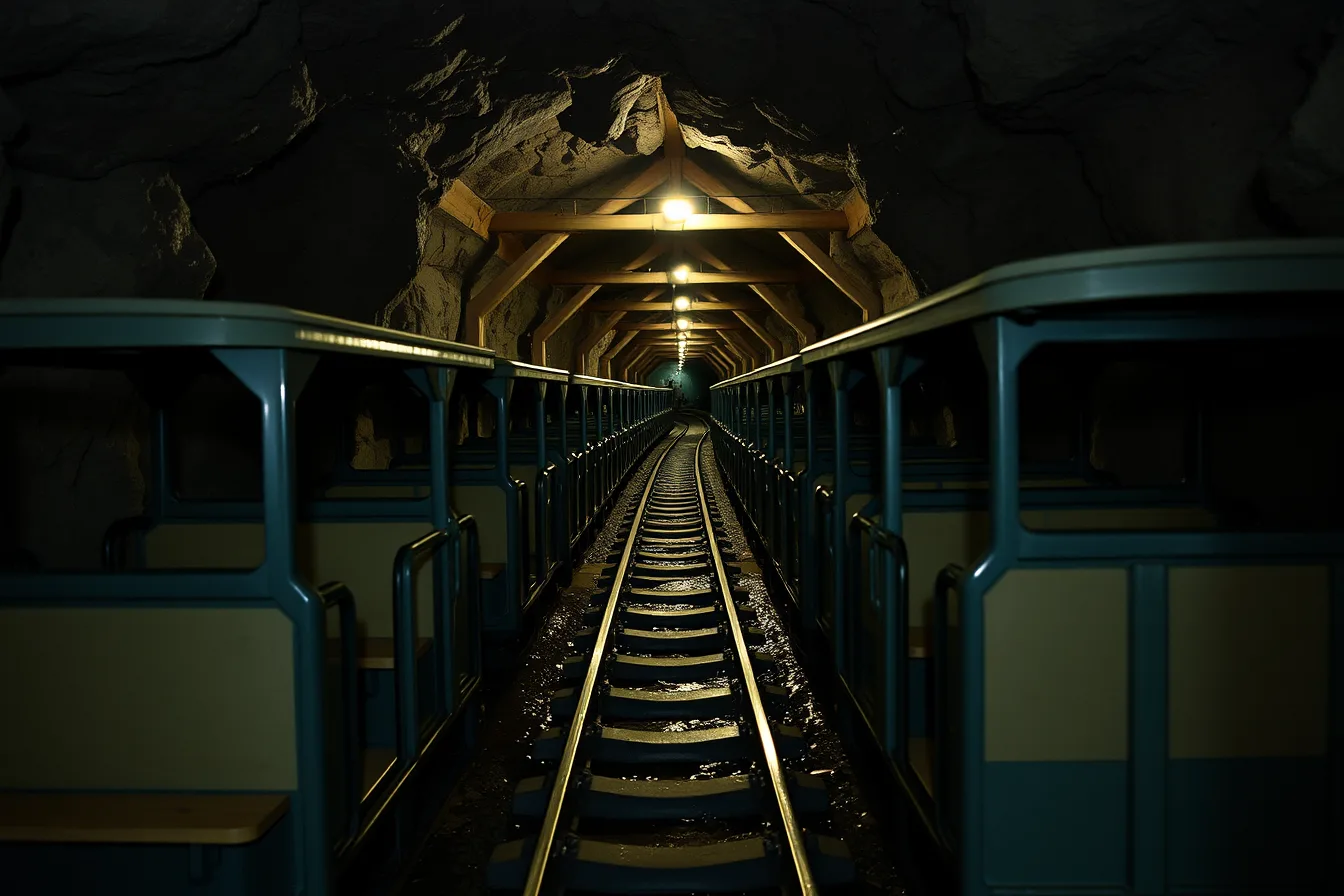
Underground mine tours, working factory visits, boat trips through canals and any tour with a hard capacity go first.
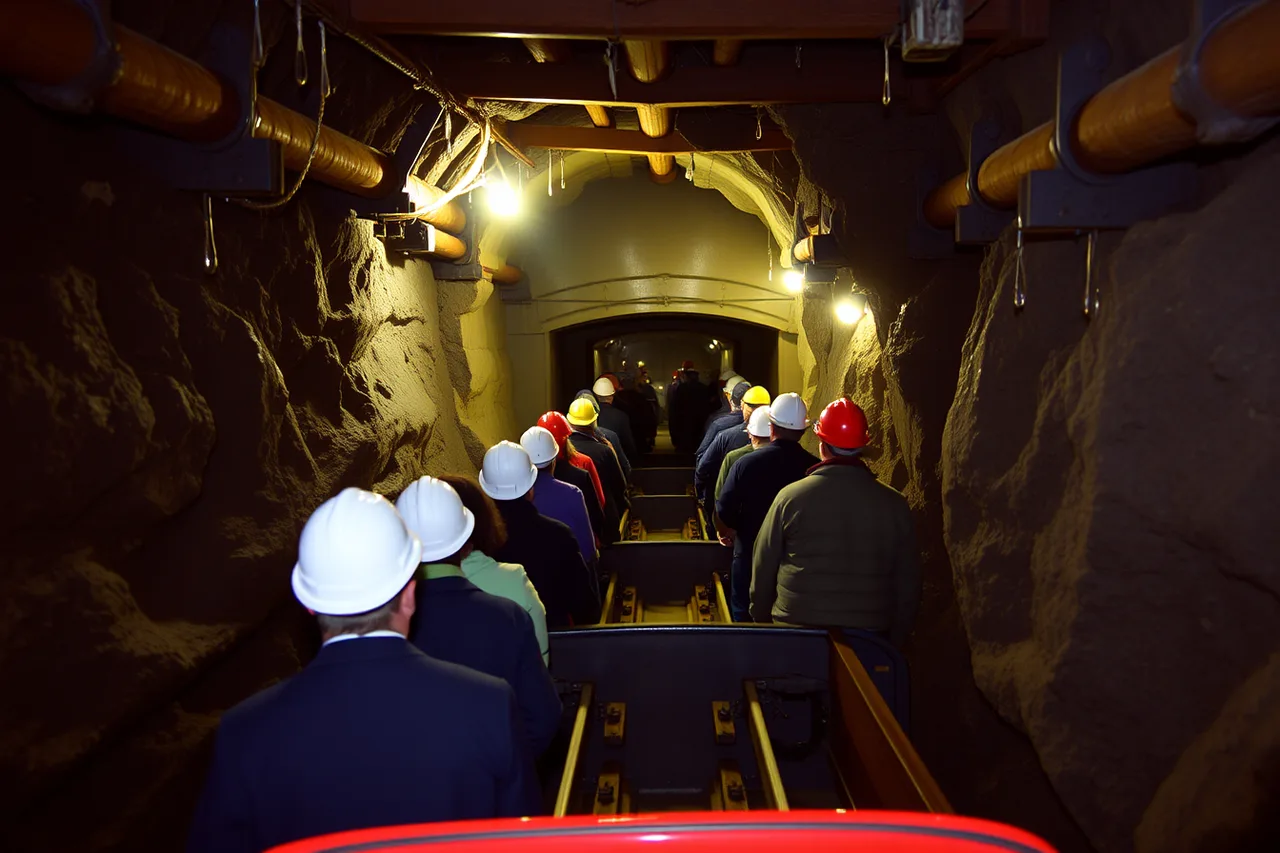
These sell out weeks ahead in season and run on limited schedules out of it. Once one is booked, the trip has a fixed point and the rest can be arranged around it.
Typical lead times: the Lackawanna Coal Mine Tour in Scranton books two to six weeks out in summer. The Queen Mine Tour in Bisbee, Arizona, often fills days ahead in spring. Carrie Blast Furnaces tours near Pittsburgh typically run weekends only and can sell out a week ahead.
Step three: verify everything else by telephone
This step is skipped constantly and it is the one that saves the trip.
Small industrial museums are frequently run by volunteers, open seasonally, and closed unexpectedly for maintenance or a lack of staff. Their published hours are aspirations. A two-minute telephone call the week before is the difference between a full day and a locked door.
Ask three things: are you open on this date, what time is quietest, and is the machinery running.
That last question matters enormously. A mill with the looms running is a completely different experience from the same mill silent.
Two examples: the East Broad Top Railroad in Orbisonia, Pennsylvania, runs on select weekends, and the Old Slater Mill in Pawtucket, Rhode Island, keeps seasonal hours that move with docent cover.
Step four: read the record
Most significant American industrial sites have been documented, and the documentation is public.
The National Park Service's heritage documentation programs explain what exists: measured drawings, photographs and historical reports covering buildings, engineering structures and industrial landscapes across the country.
An hour with a site's record before you arrive tells you what each building did, what has been demolished, and which surviving structure is the significant one. Without it you are looking at large sheds.
The two programs that matter for industry are the Historic American Buildings Survey, or HABS, and the Historic American Engineering Record, or HAER. HABS covers buildings. HAER covers mills, furnaces, bridges and canals. Search a site name plus HAER or HABS at the Library of Congress, where most records are digitized.
Canada is the site's second market, and the records differ there. HAER and HABS cover US sites only. For Canadian sites, start with Parks Canada and the provincial heritage registers.
Step five: understand the whole place
Industry rarely built only a factory. It built housing, a company store, a church, a school and sometimes an entire town, and the plant makes no sense without them.
Pullman on the south side of Chicago is the clearest example in the country, and the Park Service's history of the place covers the factory, the planned town built around it and the strike that made it nationally significant.
When you plan a site visit, budget an hour to walk the housing. It is where the social half of the story is still visible.
Step six: build the day around the tour
A fixed tour at eleven means the morning is committed. Put the self-guided museum in the afternoon, the town walk in the early evening, and keep the drive to the next place under an hour.
Two sites a day is right. Three is possible only if one is small.
The week before
Confirm bookings in writing where the operator offers it, check the weather, download offline maps, and print the addresses. Many of these sites are in places with poor mobile coverage and no signage.
What to bring is covered in the packing list, and the seasonal question decides whether half of these sites are open at all.