Costs
Part of Industrial heritage travel: the record, kept honest
6 points worth checking on industrial heritage travel
Industrial heritage travel: admissions are small and the driving is not. Build the budget out from the tours you have to book at fixed times.
What to take away
- Fixed-time tours are the skeleton of the budget. Everything else bends around them.
- An annual federal pass pays for itself quickly if your route includes several national sites.
- Free days exist and are published in advance. They are also the busiest days of the year.
- Budget for a paid guide once. It is the best value line on an industrial trip.
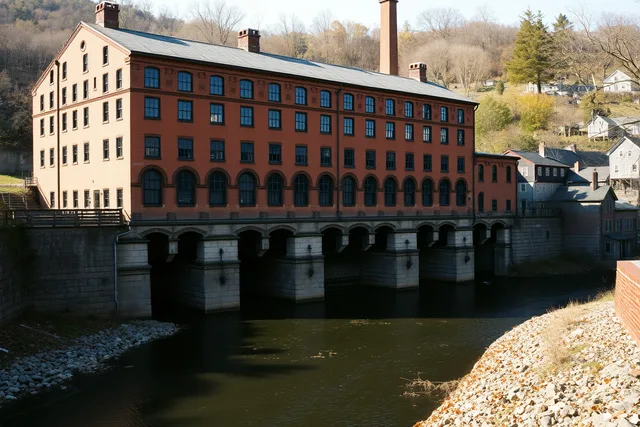
Industrial heritage is inexpensive by the standards of travel and expensive by the standards of expectation, because the sites are scattered across regions that stopped being prosperous.
The budget therefore splits neatly: small admissions, real driving, and a few tours that must be booked whether or not the day works out around them.
Start with the bookable tours
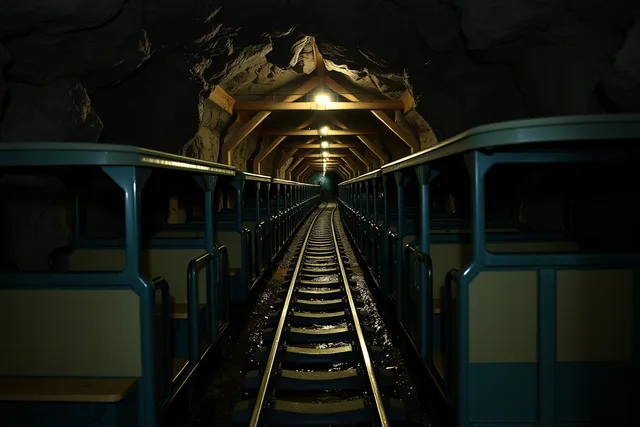
Underground mine tours, working plant visits and boat or rail trips have fixed times, limited capacity and their own prices. They are the constraints, so price them first and let the itinerary follow.
Book tours before pricing driving
- Book fixed-time tours first
- Work out nights the route needs
- Price the driving last
Book those, then work out how many nights the resulting route needs, then price the driving. Doing it the other way round produces a plan that cannot accommodate the one tour you actually wanted.
Federal sites and the pass question
A large share of the best-interpreted industrial sites in the country are national parks or historic sites, and the entry economics are worth ten minutes of arithmetic.
Is the annual pass cheaper?
Does the route take in several fee-charging federal sites?
annual pass usually cheaper
pay at each site
The National Park Service's passes page sets out the annual and lifetime options and who qualifies for the free and discounted ones. If your route takes in several fee-charging federal sites, the annual pass is usually cheaper than paying at each.
Many industrial units charge nothing at all, which changes the maths again. Check each site before assuming.
Free days, and their cost
The Park Service publishes fee-free days each year, when entrance fees are waived across the system.
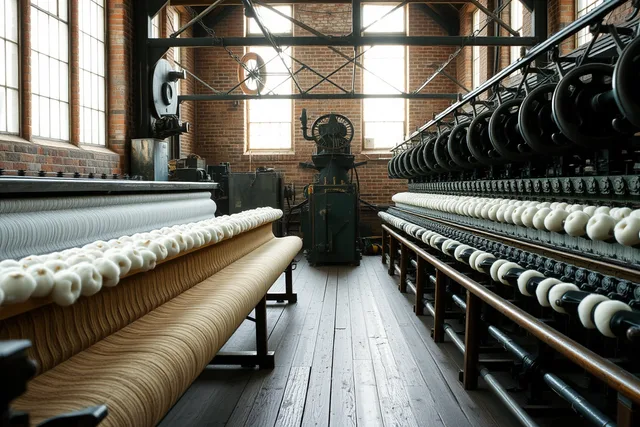
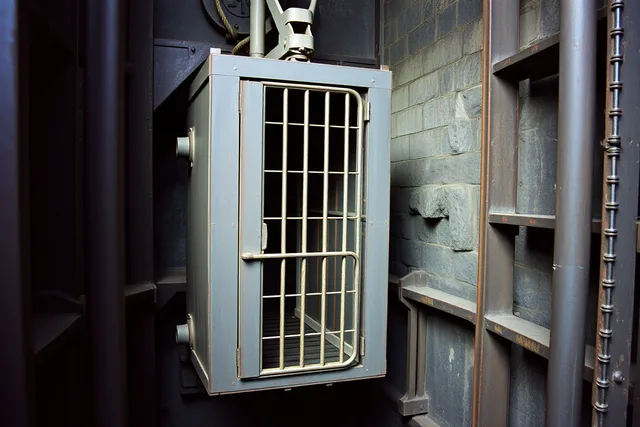
Two things to know. They save real money on a multi-site trip. And they are among the busiest days of the year, which on industrial sites matters more than at a scenic park, because tour capacity is fixed by how many people fit in a mill room or a mine cage.
If your trip depends on a specific underground tour, a fee-free day is the worst day to attempt it.
The full budget shape
| Line | Weight | Notes |
|---|---|---|
| Driving | Largest | Sites are dispersed through post-industrial regions |
| Nights | Second | Frequently cheap. These are not tourist towns |
| Fixed tours | Small but decisive | Book first, everything else follows |
| Museum admissions | Small | Many are free or ask a donation |
| One paid guide | Optional, high value | Half a day changes the whole trip |
| Food | Ordinary | Limited choice near many sites |
| Contingency | Ten percent | Closures and canceled tours are common |
Where the money is well spent
A guide for half a day. Retired workers and site volunteers explain things no panel does. Where a site offers an in-depth or behind-the-scenes tour at a premium, take it.
Staying near the site rather than at the interstate. Post-industrial towns are inexpensive and being there in the evening is part of the subject.
The second day at one site. Large works cannot be seen in three hours, and the second visit costs one admission.
Where it is wasted
Long drives between two famous sites with nothing planned in between. The corridors between industrial centers are full of smaller sites, and skipping them to cover distance is the standard first-trip error.
The worked comparison of two trip shapes is in costs and budget in practice, and the planning order that keeps the budget honest is what stops the driving getting away from you.