Guides
Industrial heritage travel: the record, kept honest
Industrial sites are the one kind of heritage where the machinery, the workers and the pollution are all part of the story. Start with one process.
What to take away
- Pick one process and follow it. Iron, textiles, coal, rail. A trip organized by process teaches more than one organized by geography.
- Working sites, preserved sites and ruins are three different visits with three different rules.
- Read the documentation before you go. Most major American industrial sites were recorded in extraordinary detail.
- Labor history is not a footnote here. The building exists because thousands of people worked in it.
Industrial heritage is the branch of travel where the exhibit is a machine that once employed a town. That makes it more demanding than most heritage tourism and more rewarding, because the thing you are looking at explains an economy rather than a family.
The mistake first-timers make is treating it as a list of places. It works far better as a set of processes.
Choose a process, not a region
Pick one: iron and steel, textiles, coal, copper, railroads, shipbuilding, glass, paper. Then follow it across sites that show different stages, and the whole thing coheres.
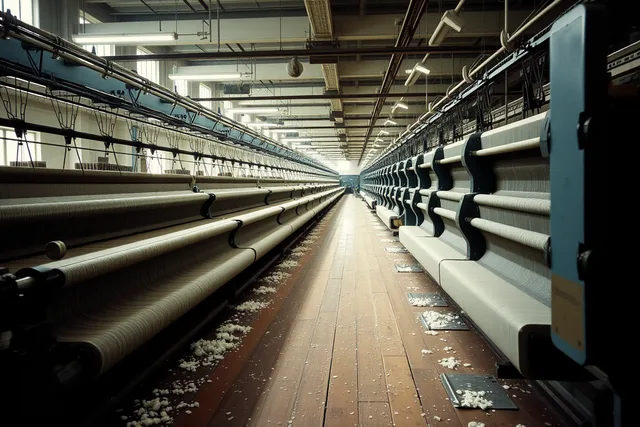
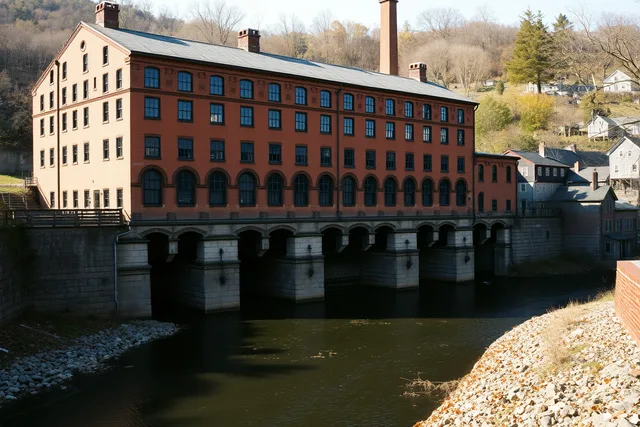
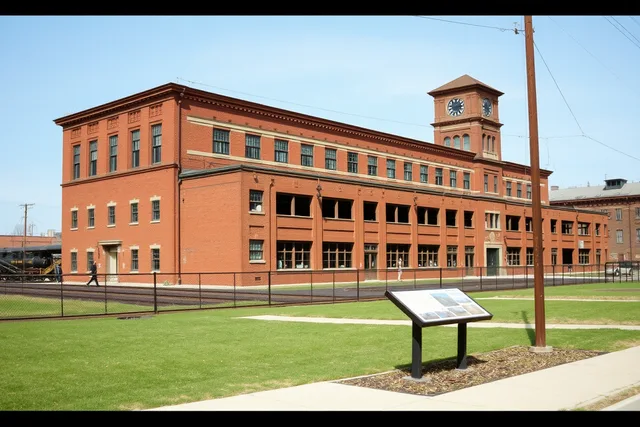
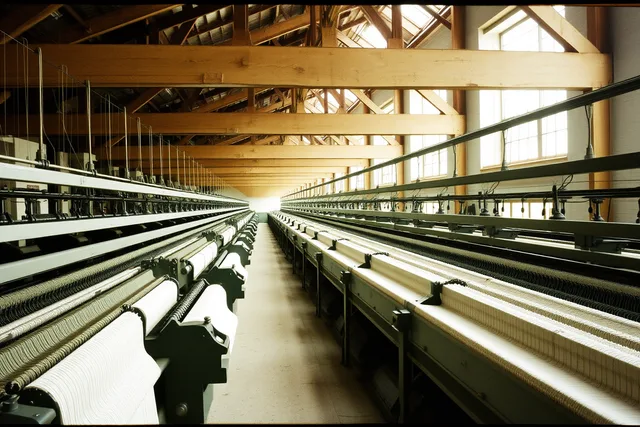
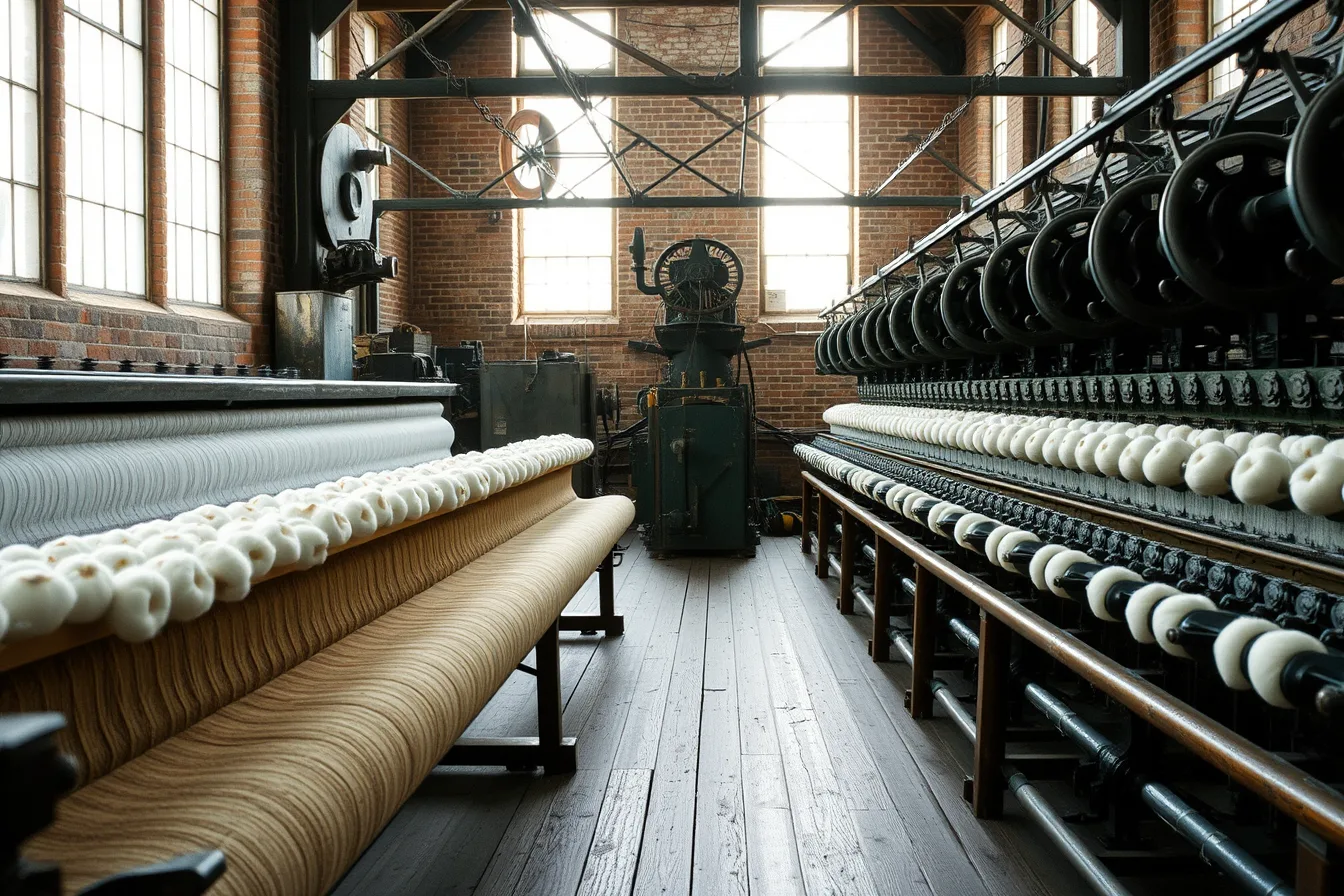
Textiles is the easiest starting point because the sites are dense and well interpreted. Lowell in Massachusetts is the canonical case, and the National Park Service's account of its history covers the canal system, the mills and the workforce that made a purpose-built industrial city out of farmland in twenty years.
Once you have seen raw material arrive, be processed and leave, the same pattern is visible everywhere else.
The three kinds of site
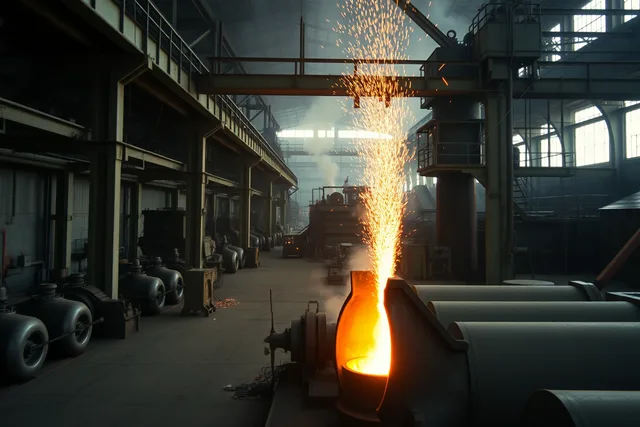
Working sites. Production continues and you are a visitor in a workplace. Fixed tour times, safety rules, and frequently no photography. The most exciting and the most constrained.
Preserved sites. Production has stopped and the plant is interpreted. Museums, national and state parks, industrial trusts. Best for understanding, weakest on atmosphere.
Ruins and abandoned ground. Nothing is interpreted and nothing is safe. Look from a distance, respect fences, and never enter.
A good trip mixes the first two. The third is for the drive between them.
The documentation is remarkable and free
Before visiting anything significant, check whether it was recorded.
The Historic American Engineering Record has documented American industrial and engineering sites since 1969, and the program's own pages explain what it produces: measured drawings, large-format photographs and written histories of structures, many of which have since been demolished.
Reading a record before a visit changes what you see. You arrive knowing which building held which process, and what has gone.
Safety is different here
Every other heritage subject asks you to be respectful. This one asks you to be careful.
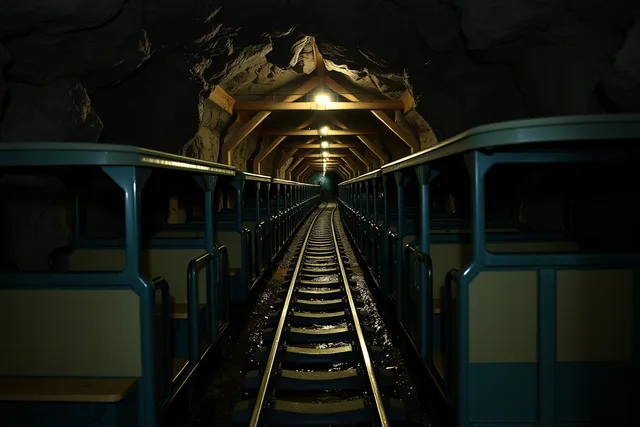
Working plants have moving machinery, noise, heat and vehicles. Preserved mills have low headroom, steep stairs and old floors. Mine tours involve enclosed spaces and cold. None of this is a reason to avoid them, and all of it is a reason to follow the site's rules exactly rather than approximately.
Sites that hand you protective equipment and give you a briefing are the ones running properly.
The part that gets skipped
The buildings survive because people worked in them, frequently in conditions that would be illegal now, frequently for wages that produced strikes, and frequently as children.
Sites vary enormously in how honestly they tell that half. The good ones name the strikes, the accidents and the pay. The weak ones talk only about innovation and output.
Ask about labor history at every site. The answer tells you how seriously the place takes its own subject.
A first trip that works
Two nights, one process, one preserved site with an interpreted plant, one working operation if any is nearby, and one ruin viewed from outside the fence.
Book the working tour first, since it has the fewest slots, then build everything around it. The full sequence for that is in the planning steps, and what it costs is lower than most people assume.
Common questions
Is this interesting for people who are not engineers?
Are these trips suitable for children?
How do I find sites that are not famous?
What is the single best first stop?
In this guide
- 6 points worth checking on industrial heritage travelIndustrial heritage travel: admissions are small and the driving is not. Build the budget out from the tours you have to book at fixed times.
- Industrial heritage travel for people who want the details: the 2027 viewIndustrial heritage travel: book the constrained thing first, verify that every site is actually open this year, then read the documentation.
- Heritage travel splits into a summer season compared with a very different winter oneIndustrial heritage travel time: half these sites are open only from Memorial Day to October, and the other half are indoors and better in winter.
- 6 takeaways on industrial heritage travelClosed shoes, a warm layer for underground, and your own ear plugs. Sites supply helmets and vests; they rarely supply anything that fits your ears.
- Heritage travel compared: a compact city costs far less to see than a scattered regionTwo trips, same length, very different bills: a compact mill city you walk around, and a copper region where the sites are forty miles apart.