Guides
How regional adaptation shapes manufacturing museum trips for U.S. visitors
A named guide to U.S. manufacturing museum trips, from Lowell and Paterson to Pittsburgh, Quincy, Detroit, and Baltimore, with access and ticketing checks.
What to take away
- Build the trip around one industrial question, then choose the region that answers it.
- Give the day two stopsan anchor museum that sets up the story and one stop with a different job.
- Confirm hours, tickets and walking conditions separately for each operator.
- Allow about three hours at an anchor and 60 to 90 minutes at a walking route.
- Treat every price below as a typical band, not a quote.
One industrial question per region
The question decides the region. Waterpower and mill villages point to New England. Iron and steel point to Pittsburgh's Mon Valley. Copper points to Michigan's Keweenaw. Port trades point to Baltimore. Car production points to Detroit.
Pick one, then check that two public stops sit within a day's reach. A wider regional factory tour plan shows the same method applied across five U.S. regions.
| Region | Anchor and typical cost | Logistics to plan |
|---|---|---|
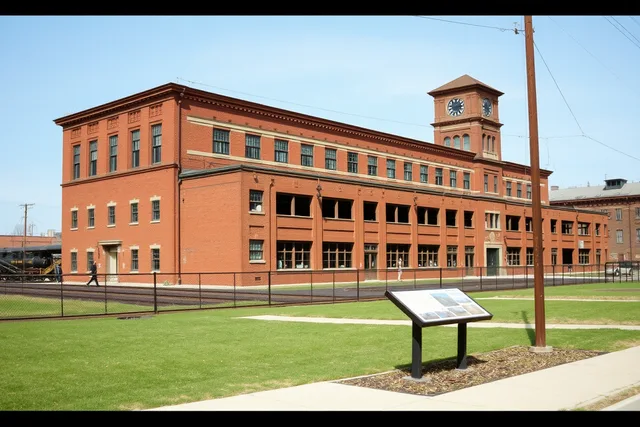
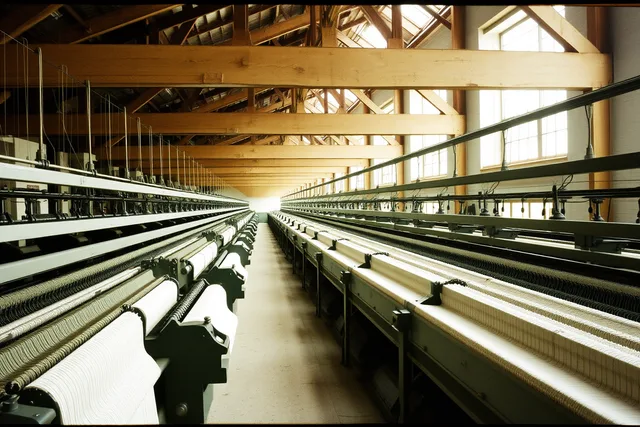
| New England textile | Lowell National Historical Park, Massachusetts. Grounds free; some exhibits ticketed, typically $6 to $12 | Downtown visitor center; stops 10 to 15 minutes apart on foot; paid garages |
| Mid-Atlantic | Paterson Great Falls, New Jersey. Falls free; some mill buildings private | Overlook parking; steep paths |
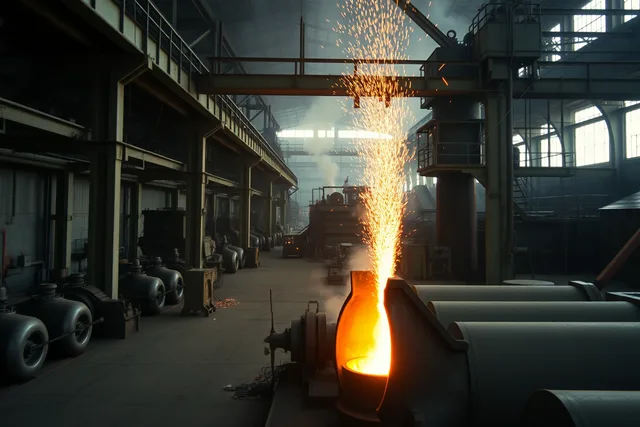
| Pittsburgh steel | Carrie Blast Furnaces, Homestead, Pennsylvania. Tours ticketed, typically $20 to $30 | Book ahead; uneven ground; closed-toe shoes |
| Michigan copper | Quincy Mine, Hancock, Michigan. Tours ticketed, typically $15 to $25 | Seasonal; cold, damp underground |
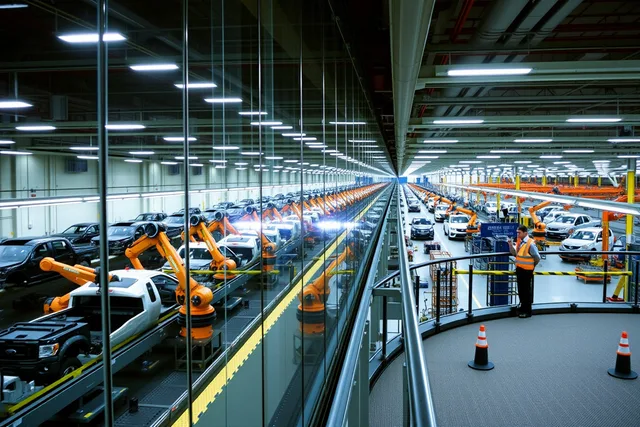
| Detroit auto | The Henry Ford and Rouge Factory Tour, Dearborn, Michigan. Separate tickets | Timed entry; security check; on-site parking |
| Baltimore port | Baltimore Museum of Industry, Maryland. Typically $10 to $15 | On-site lot; waterfront walk; ship access varies |
Regional Themes and Anchors
New England textile
- Named anchor
- Lowell National Historical Park
- Concrete fact
- Canal-powered mills and housing
- Limit
- Some exhibits ticketed
Pittsburgh steel
- Named anchor
- Rivers of Steel
- Concrete fact
- Preserved blast furnaces
- Limit
- Tours are ticketed
Baltimore shipbuilding
- Named anchor
- Baltimore Museum of Industry
- Concrete fact
- Port industries and waterfront
- Limit
- Check current hours
Copper Country
- Named anchor
- Quincy Mine
- Concrete fact
- Copper hoisting and processing
- Limit
- Check tour season
Every figure above is a typical band, not a quote. Admission, hours and tour seasons move each year, so confirm at the operator's page before you book.
The table is a frame, not a ranking. One strong site can cover several roles, so check what each stop actually delivers.
Example: a two-stop mill day in the Blackstone Valley
- Set the question. How did waterpower, canals and machine building shape one river valley?
- Spend the morning at Lowell National Historical Park, Massachusetts. Walk the canal mile from the downtown visitor center to the Boott Cotton Mills Museum. Allow three hours.
- Eat lunch downtown, then drive south.
- Drive about 50 miles, roughly an hour, to Whitinsville in Northbridge, Massachusetts.
- Walk the Whitinsville self-guided tour in the afternoon. Its eight stops tie the Whitin Machine Works to worker housing and village streets. Plan 60 to 90 minutes on foot.
Two-Stop Itinerary Planning
- Pick the industrial question
- Find one confirmed orientation museum
- Add one accessible complementary place
- Check current terms independently
- Create a real public backup
Total driving is about 60 to 90 minutes for the day, and every stop sits inside one river corridor. That is why the two stops hold together.
If rain closes the walk, use the backup. Drive about 30 minutes further south to the Slater Mill site in Pawtucket, Rhode Island, and check whether tours run that week.
Before you commit to the pair, run it past a short interpretation checklist so each stop earns its place.
Access, hours and gear checks
Never assume one operator's rules apply to the next. A park can own the grounds while a nonprofit runs the museum inside. A mill building can stand on the route and still be private.
Where a working plant or an underground mine hands out gear at the door, the employer's duty under OSHA's general PPE standard is the reason visitors wear hard hats and safety glasses.
Famous food sites often do not offer factory access. Hershey's Chocolate World is a company visitor center, not the working plant. Plan it as a visitor center stop.
Checklist for the day before:
- Recheck opening hours and last entry on the operator's page.
- Recheck that the tour itself runs that week, not only the museum.
- Note parking, transit and the walk between stops.
- Note footwear, bag and photography rules for any working site.
- Write down one backup stop that is also confirmed public.
Keep those notes with a check date. Update them when a route changes or a demonstration leaves the calendar.
Regional differences that matter
New England textile, Pittsburgh steel, Keweenaw copper, Detroit auto and Baltimore maritime are not interchangeable. Each reflects different materials, technologies and labour systems. Avoid "best industrial region" claims unless you name the criterion.
Match the destination to the reader's question. Canal corridors suit readers who want waterpower and movement. Company towns show how work and daily life connected.
If you want a second region, our guide to Alabama's industrial heritage sites places Birmingham iron and steel beside other sites in the state.
Seasonal timing by region
| Region | Typical season | Plan around |
|---|---|---|
| New England mills and walking routes | May to October | Rain and ice on towpaths |
| Michigan copper mines | Late spring to early autumn | Cold, damp underground tours |
| Pittsburgh furnaces | Spring to autumn | Weekends that book out |
| Detroit auto sites | Year round | Timed entries and plant pauses |
| Baltimore ships | Varies by vessel | Maintenance and weather |
Outside those windows, lean on indoor museums, which usually stay open year round.