Features
Part of Why do two years of argument sit behind every industrial interpretation panel?
Industrial site interpretation rated on what actually matters
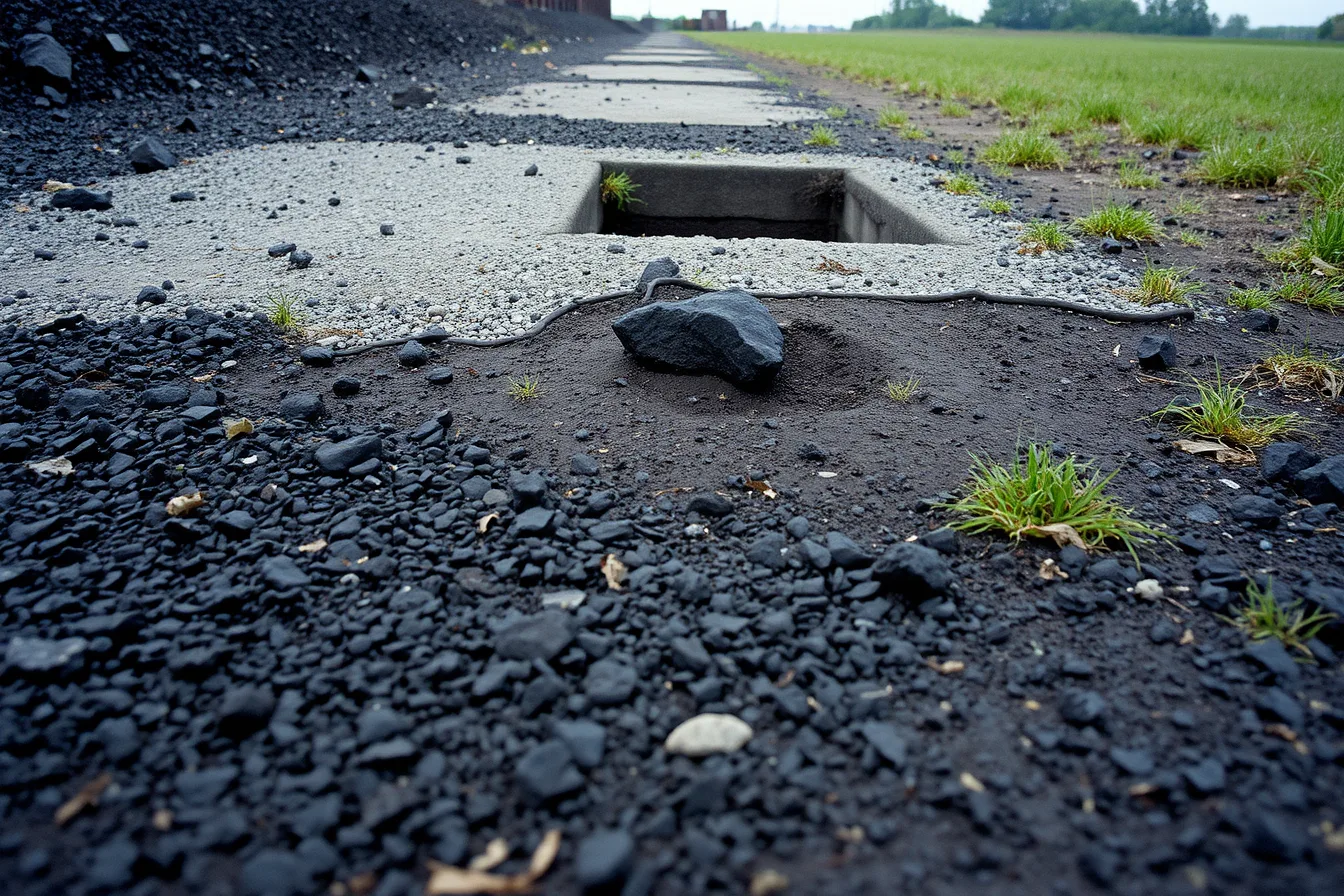
Industrial site interpretation: read the ground as well as the panels. Slag, tailings, fill and buried foundations are the site's own record.
What to take away
- Look at the ground. Slag, ash, fill and platform edges record more of the site than the standing buildings do.
- Notice which end of the process survives. Sites usually keep the picturesque end and lose the dirty one.
- Water is the organizing principle of most early industrial sites. Follow it.
- Ask what is under the car park. The answer is frequently the most important part of the site.
An interpreted industrial site presents an edited version of itself: the buildings that survived, the process that photographs well, the story somebody chose. Reading the parts that were not curated is what makes a visit interesting.
Read the ground
The most informative surface at any industrial site is the one you are standing on.
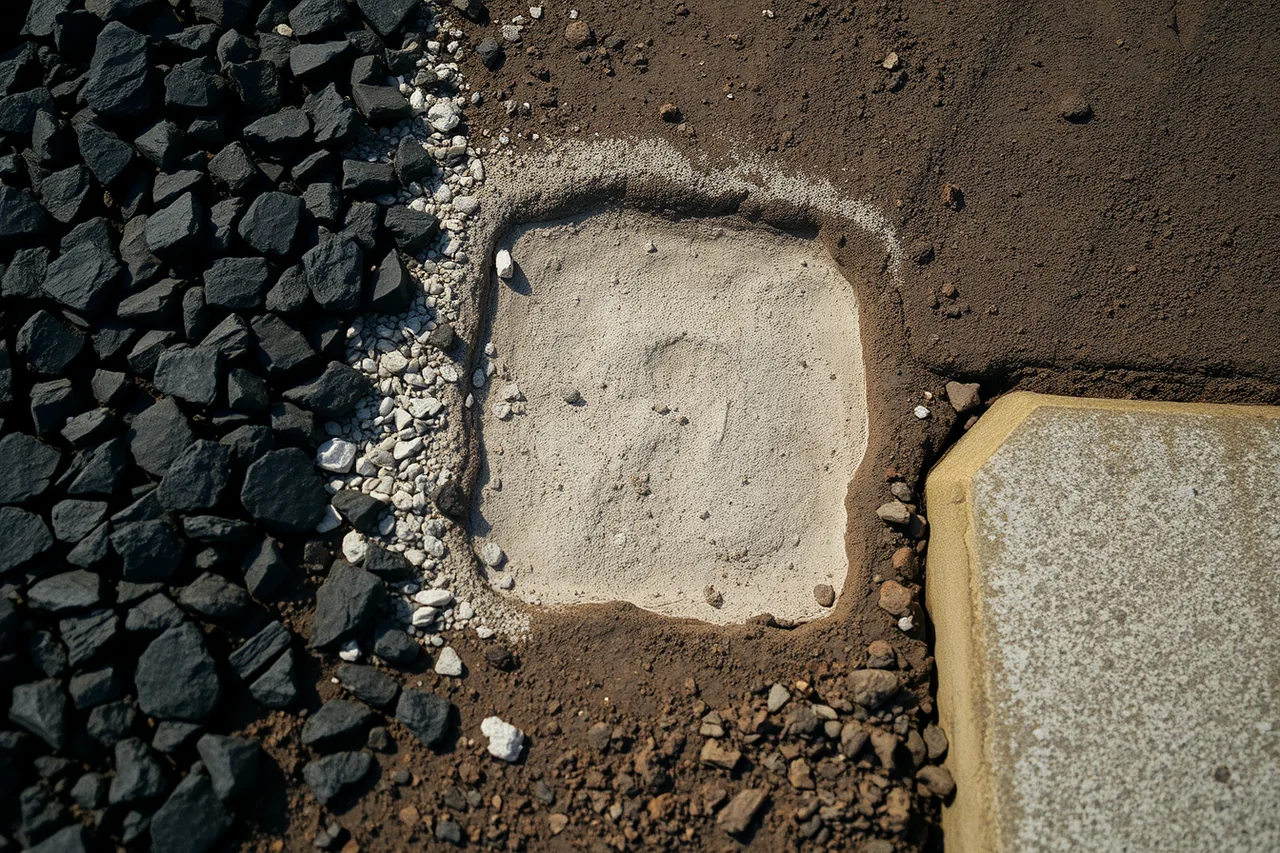
Slag and clinker underfoot, ash layers, made ground, rectangular depressions where a building stood, curb lines going nowhere, a change in vegetation over a buried structure. All of it is evidence, and it is the material industrial archaeology works with.
The National Park Service's archeology program pages explain how sites are investigated and why below-ground evidence is protected, which at an industrial property means the foundations, the waste deposits and the sequence of construction that nobody has excavated yet.
Ask what is under the car park. At a lot of these sites the answer is the earliest phase of the works.
Notice which end of the process is missing
Interpretation tends to keep the part that is presentable.
The mill building survives and the waste tips are grassed over. The furnace stands and the ore yards are a car park. The assembly hall is a museum and the plating shop, which was the hazardous one, has gone entirely.
That gap is not dishonesty, and it does shape what you take away. Ask where the messy end of the process happened and what is there now.
Follow the water
Almost every early industrial site was arranged around water: for power, for process, for transport, for waste.
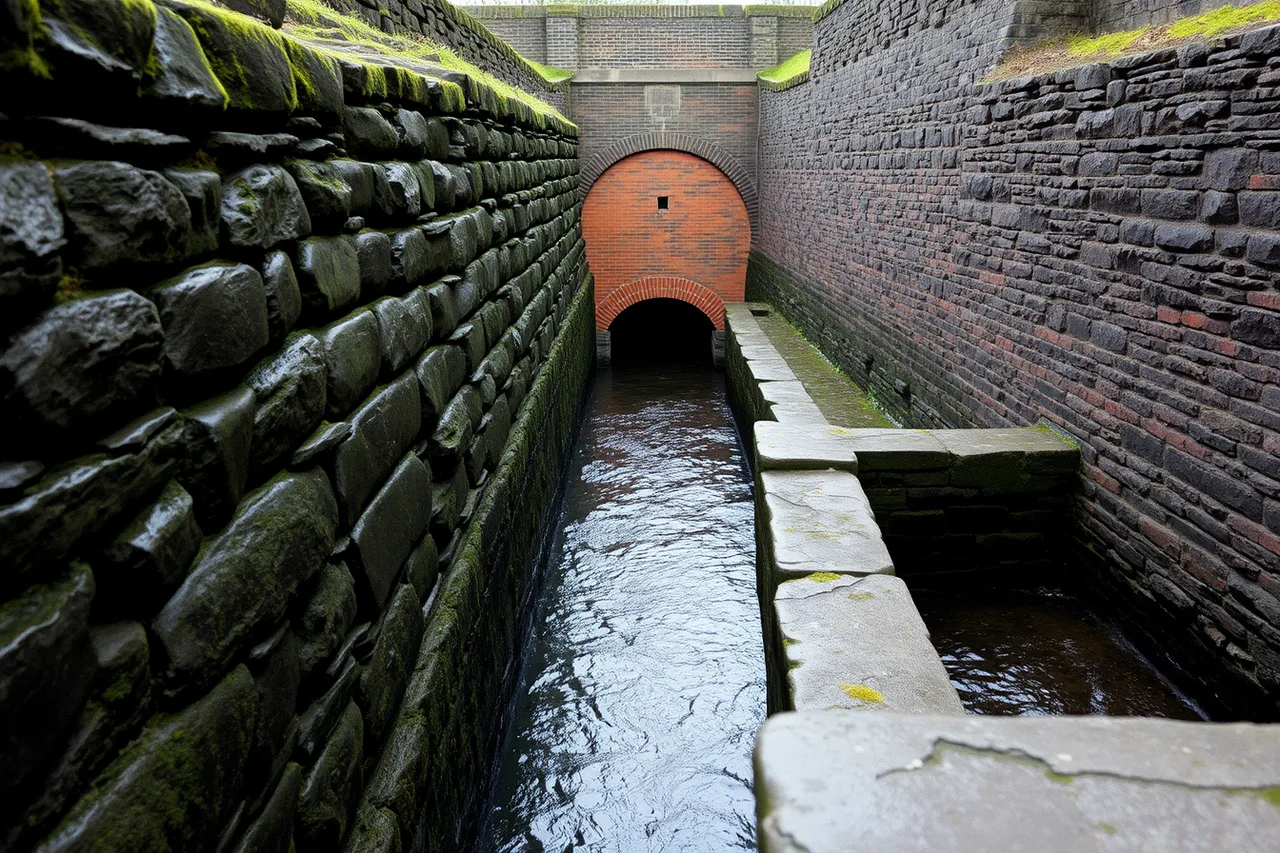
Find the intake, the channel, the wheel or turbine pit, the tail race, and the outfall. That line explains the whole layout, and it usually predates every building on the site.
Coastal and riverside works add a further layer, since the wharf and the water frontage are the reason the site exists at all. The Park Service's maritime heritage program covers those structures and vessels as heritage in their own right, which is a useful reminder that a jetty or a crane base is part of the plant rather than scenery.
Notice the interpretation itself
- How old are the panels? Faded color and dated design tell you when the research stopped.
- Who is pictured? Owners and machines, or workers and families?
- Are strikes, accidents or closures mentioned anywhere?
- Is anything hedged, and does the site say what is not known?
A site that admits uncertainty is a site that did its research.
Notice what the guide skips
Every guided route has moments where the group is walked past something without comment. Ask about those afterwards.
Frequently it is a building awaiting funding, an area with a contamination issue, or a chapter of the site's history that is contested locally. All three are more interesting than the scripted material.
How this interpretation gets made in the first place is set out in how it works from plan to finish, and the questions worth asking before you book will tell you in advance how much of this a site is willing to discuss.