Industry
Part of Why do two years of argument sit behind every industrial interpretation panel?
Local businesses do more for site interpretation with an archive, compared with a sponsorship
Industrial site interpretation business: sponsoring a panel buys a logo. Handing over the company archive, or an afternoon with a retired foreman.
What to take away
- A company archive is the most valuable thing a local firm can give to site interpretation. Hagley Museum and Library in Wilmington, Delaware, holds the DuPont Company's records on the 1802 powder works site.
- Retired employees come second. Both an archive and a retired foreman disappear quietly if nobody asks in time.
- Sponsorship money is welcome, and it should never buy editorial control over what a panel says.
- Whose story gets told is a live question, and local businesses have a legitimate stake in it.
Interpretation at an industrial site depends on evidence, and most of that evidence sits in company filing cabinets rather than museum stores. That gives local firms an unusually direct influence, and it is worth being deliberate about how it gets used.
Two contributions come up most often: the records themselves, or a check attached to a panel. They are not equal. Records supply the facts a site interprets. Sponsorship supplies the money to build the display and bus in school groups.
Give the records before they go
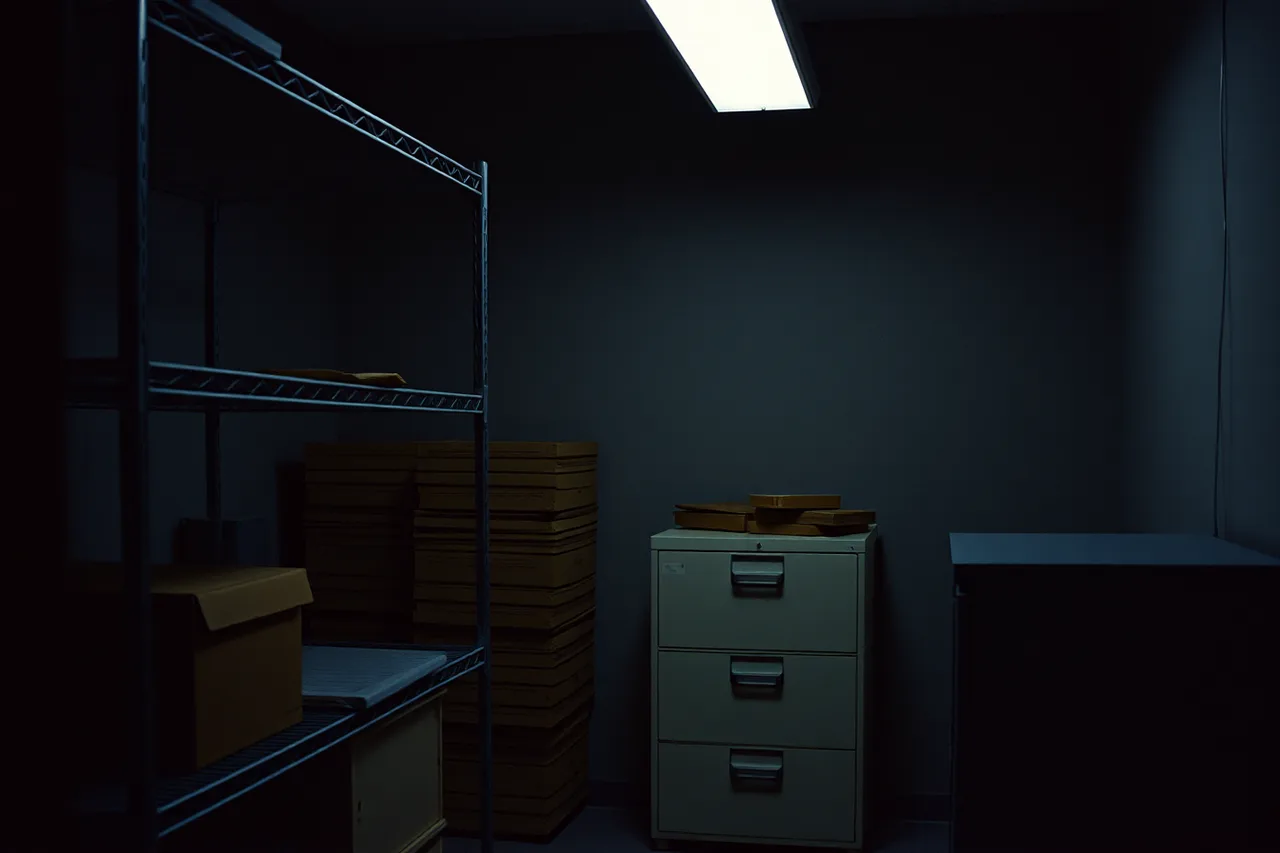
Company archives hold drawings, photographs, payroll books and safety reports. Product catalogs and in-house newsletters count too.
Every one of them answers questions a site cannot otherwise answer, and every one of them gets thrown out during office moves, ownership changes and clear-outs, permanently, without anybody deciding to destroy anything.
Named examples show what the records do once they stay put. Hagley Museum and Library in Wilmington, Delaware, holds the DuPont Company's papers on the Brandywine Creek site of the 1802 Eleutherian Mills powder works. The Benson Ford Research Center at The Henry Ford, in Dearborn, Michigan, keeps Ford Motor Company material.
The National Museum of Industrial History opened in 2016 in a former Bethlehem Steel repair shop in Bethlehem, Pennsylvania. The Charles River Museum of Industry & Innovation, in Waltham, Massachusetts, occupies the 1814 Boston Manufacturing Company mill, the first American mill to finish cotton cloth under one roof. Schenectady's miSci grew out of General Electric's company museum.
The practical step is simple: before clearing anything, telephone the local museum or the site's staff and ask whether they want to look at it. It costs an hour. A site that keeps its records can also be judged on how many minutes visitors get in front of running machinery.
Archive donation compared with panel sponsorship
What the site gets
- Company records
- Dates, wages, products, safety history
- A foreman's afternoon
- How the job was done, which machines hurt
- A panel credit
- Cash for fabrication, a film or buses
- Gallery or program sponsorship
- Cataloguing, staff hours, transport
Typical cost
- Company records
- Staff time to box and list it
- A foreman's afternoon
- An afternoon and a recorder
- A panel credit
- $500 to $5,000
- Gallery or program sponsorship
- $10,000 to $100,000
Text control
- Company records
- The site, per the agreement
- A foreman's afternoon
- The site, which edits it
- A panel credit
- The site; a name, not a veto
- Gallery or program sponsorship
- The site
How long it lasts
- Company records
- Decades
- A foreman's afternoon
- Life of the exhibit
- A panel credit
- While funding lasts
- Gallery or program sponsorship
- Year to year
Give access to people
The other irreplaceable resource is the workforce. Recorded conversations with people who did the job are the backbone of good industrial interpretation, and public money sits behind that work. Worker testimony still carries much of the mill story at Lowell National Historical Park in Massachusetts.
The National Endowment for the Humanities' public programs division supports exhibitions, documentaries and community history projects of exactly this kind, which is frequently how a small site funds the recording. Public Humanities Projects grants commonly run into the tens of thousands of dollars, and applicants usually match part of the award.
A firm can help by putting a site in touch with retired staff, hosting a session on the premises, and giving current employees an afternoon to take part. That is a small cost, and it produces material nothing else can replace.
Sponsorship, and its limits
Money is welcome. What it must not buy is the content. Corning Incorporated founded the Corning Museum of Glass in Corning, New York, in 1951 and has supported it since. The company name goes on the building; the curators still write the labels.
The Ford Motor Company Fund backs The Henry Ford. Seattle's Museum of Flight at Boeing Field counts Boeing among its corporate backers. Kohler Co. and the John Michael Kohler Arts Center in Sheboygan, Wisconsin, run Arts/Industry, which puts artists inside the company's pottery and foundry.
The reasonable arrangement: a named credit, no editorial input, and no veto over the site's account of strikes, accidents or closures. A business that funds a gallery and then objects to its labor history has bought a problem for both parties.
Fund the things that are hard to fund: schools programs, transport for local groups, a new film, the archive cataloguing nobody sees.
Whose story gets told
Industrial sites interpret communities as well as machinery, and which communities appear in that account is a live and sometimes uncomfortable question.
The Park Service's work on telling all Americans' stories covers the effort to interpret histories that were previously left out. At industrial sites that means the migrant labor, the women who staffed wartime production, the segregated workforces and the families in the company housing.
Local businesses frequently hold the evidence for exactly those stories, in employment records that nobody has ever read as social history. A payroll ledger states who was hired, at what rate and for how long. That is often the only surviving record of a segregated workforce in a town.
What businesses get back
A functioning interpreted site brings visitors, gives a town something to be known for, and gives a company a documented history it can use in its own recruitment and marketing.
The recruitment point is underrated. Firms that support the local industrial museum find it easier to explain to a school leaver why the work matters.
What not to do
Do not offer machinery without asking. Do not require approval of text. Do not fund something for one year and withdraw it.
How the interpretation itself is produced is set out in how industrial site interpretation works, and what local businesses can do for museums specifically covers the collections side of the same relationship.