Features
Part of Why do two years of argument sit behind every industrial interpretation panel?
8 points worth checking on industrial site interpretation
Seven things small industrial sites can do without a grant, starting with the cheapest and most powerful: recording the people who did the work.
What to take away
- Record the workforce now. It costs almost nothing and becomes impossible within a decade.
- Mark what is gone. An outline on the ground explains a site faster than any panel.
- Let people handle something. One object in the hand beats twenty behind glass.
- Involve young people as participants rather than as an audience.
- Photograph the place as it stands, room by room, before anything moves.
Most ideas for industrial site interpretation need money a small site does not have. These eight checks need organization instead, and they separate a shed of machines from a place that explains itself.
1. Record the people while you can
The cheapest and most urgent thing any industrial site can do is put a recorder in front of the people who worked there.
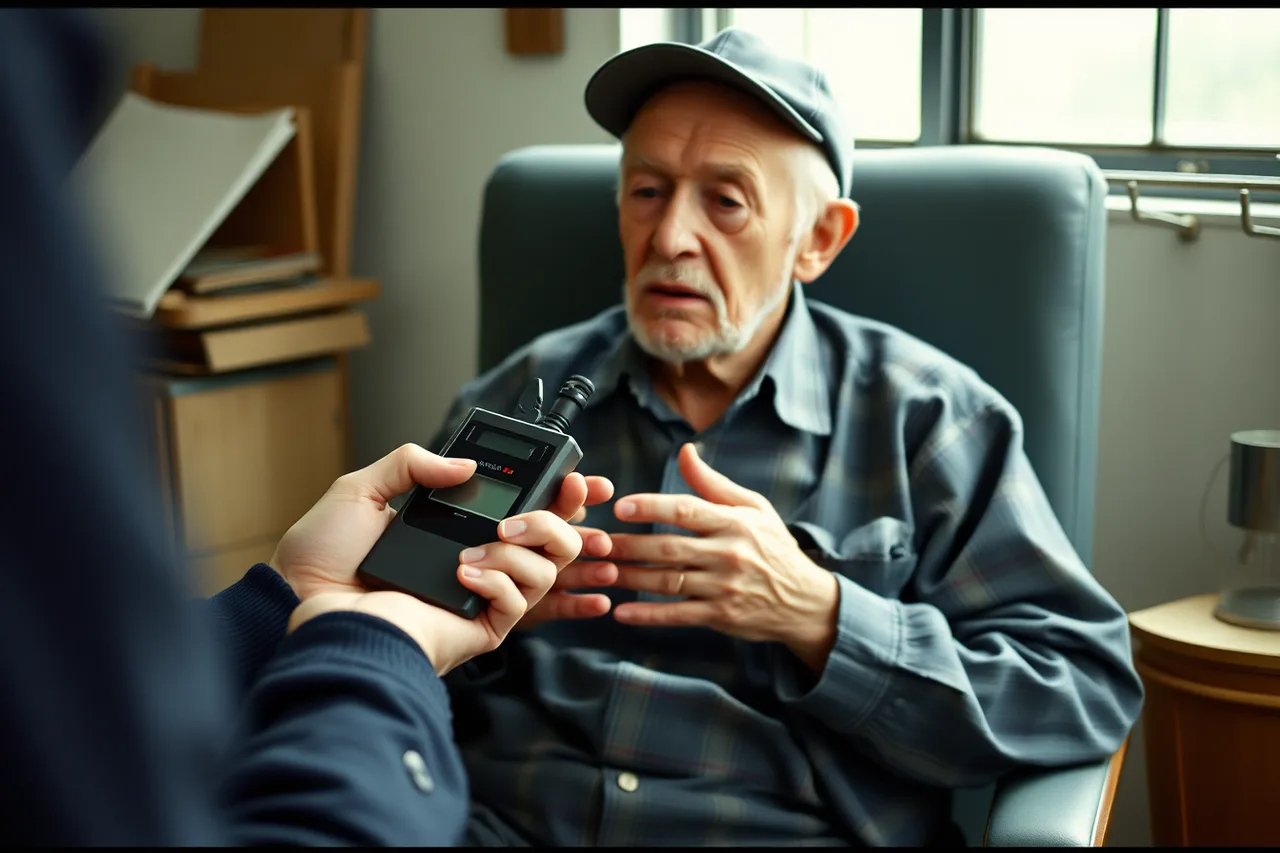
Recorded conversations with former workers answer questions no document does: what the job felt like, what the unwritten rules were, how the machine behaved.
The methods are settled, and the Park Service's oral history guidance covers planning, conducting and preserving interviews so that they can be used rather than merely stored.
The urgency is the point. A site that starts in ten years will be interviewing people who heard about the work from somebody else. A phone and a quiet room are enough to begin. The paperwork matters more than the microphone.
2. Mark what is gone
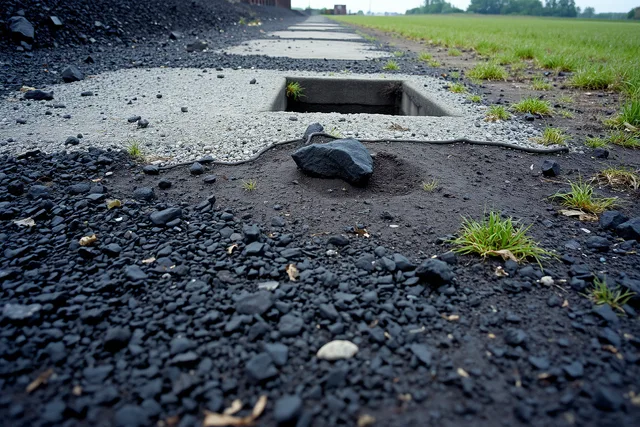
Most industrial sites are mostly absence: demolished sheds, removed machines, filled pits.
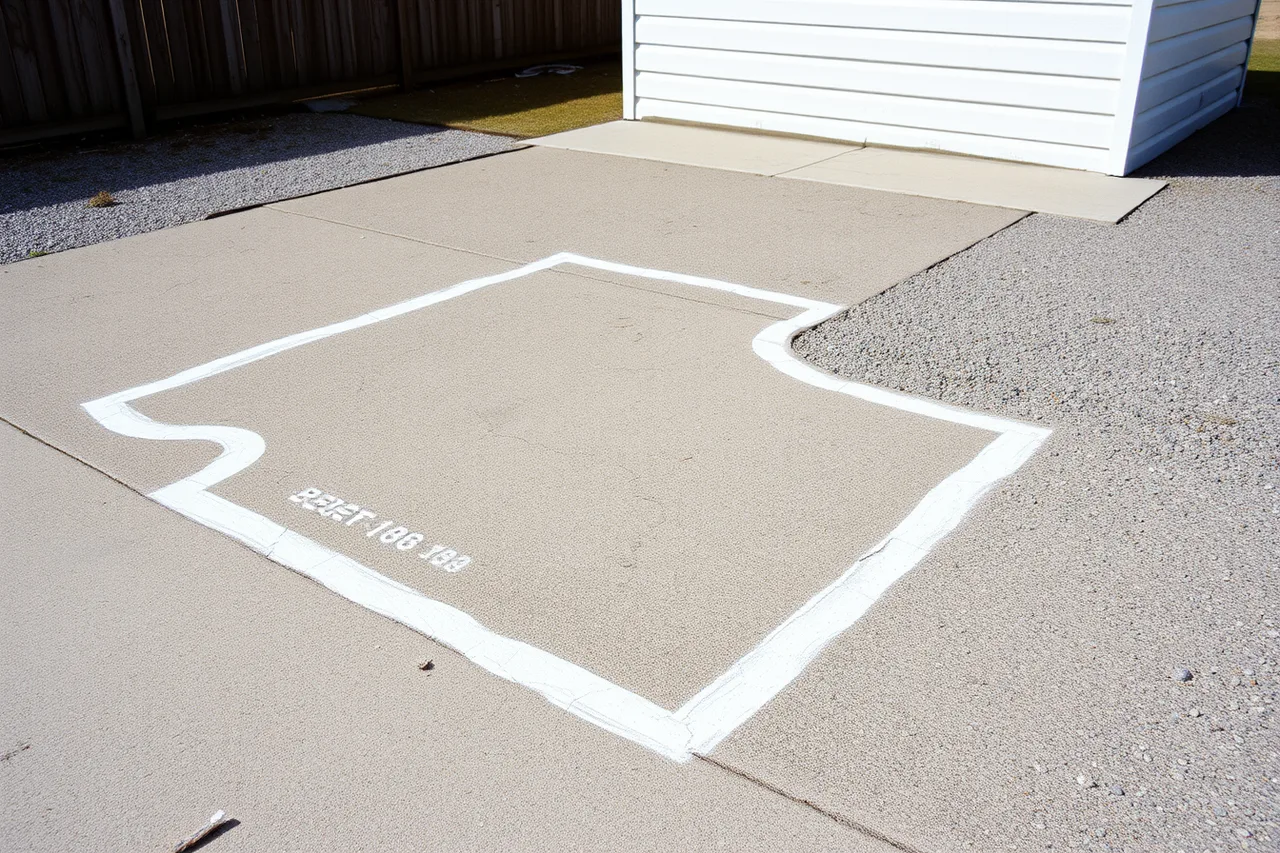
Paint or set an outline on the ground where a structure stood, with its name and dates. It is cheap, it needs no text panel, and it turns an empty yard into a legible plan.
The Hoover-Mason Trestle above the old Bethlehem Steel plant in Bethlehem, Pennsylvania, does the same work at full scale, carrying visitors along the ore route at furnace height.
3. Put one object in people's hands
A casting, an offcut, a tool, a component. Something heavy, something sharp-edged, something that was made here.
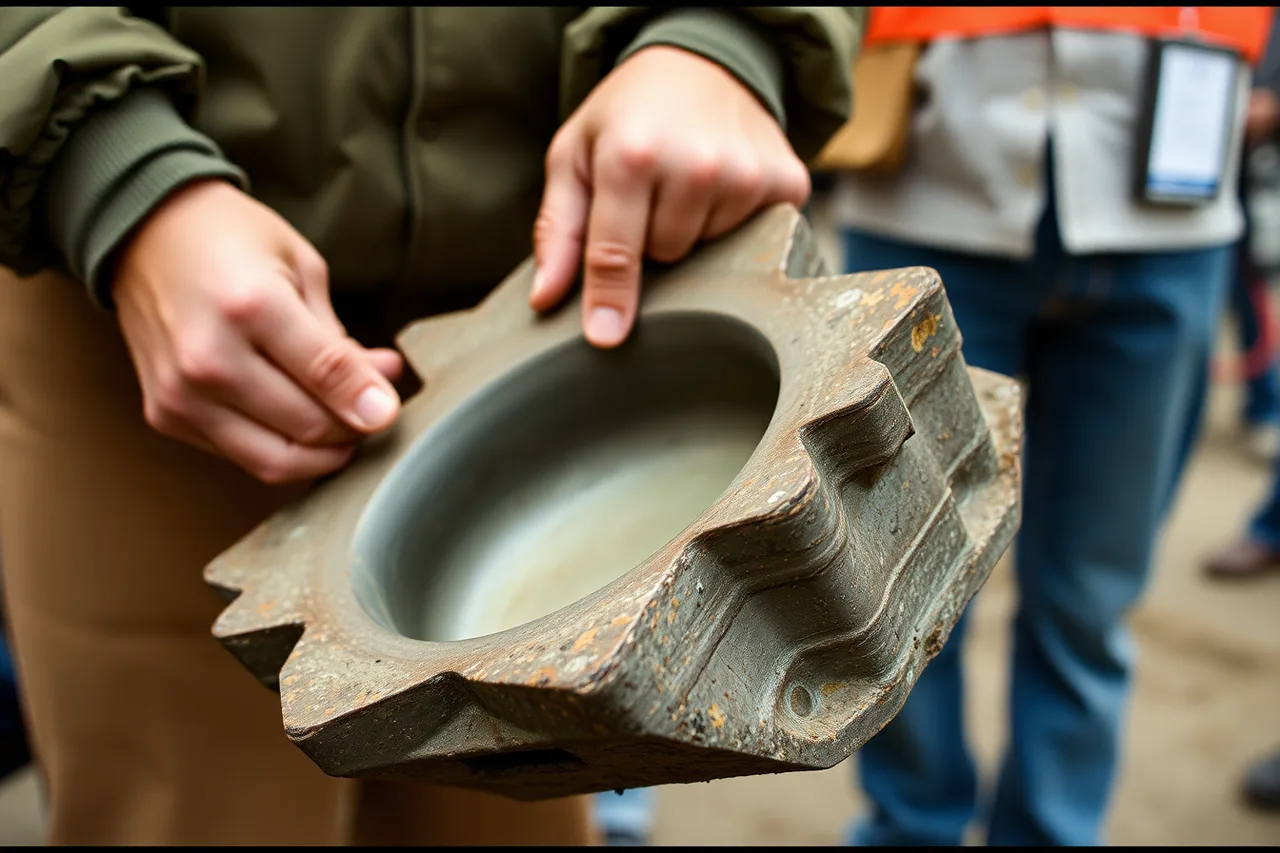
Weight and texture communicate what a display case cannot, and one handling object at the end of a tour is remembered longer than the tour.
Museum practice calls this a handling collection. Choose a duplicate rather than the last surviving example, file down the burr, and give people somewhere to set the piece down.
4. Show the same view then and now
A photograph from the exact spot the visitor is standing, mounted at the right height and angle.
Simple and cheap, it is the single most effective interpretive device at a site where much has been lost. A single object in the hand often beats a wall of panels, which is why industrial site interpretation should be rated on what actually matters.
Mount the print at eye height and write down which way the camera pointed. Without that note the pairing will not line up for the next volunteer.
5. Interpret one shift rather than the whole history
Instead of a century in eight panels, follow one day: who arrived at what hour, what they did, what the noise was like, when they ate, what could go wrong.
Sites that try this find it works better than chronology, because a visitor can hold one day in their head.
The weave room at the Boott Cotton Mills Museum in Lowell, Massachusetts, runs working looms and is deliberately loud, which makes the point about noise without a caption.
6. Bring young people in as participants
Use them as people doing something, not as an audience for a schools program: recording interviews, cataloguing photographs, surveying structures, guiding visitors.
The Park Service's youth programs show the range of that kind of involvement, from internships to volunteer service, and industrial sites are unusually good settings for it because the work is practical and visible.
The Youth Conservation Corps and Volunteers-In-Parks are two routes the National Park Service already runs. A county museum can copy the shape of them without the federal forms.
It also solves the volunteer succession problem, which is the thing that closes small museums.
7. Say what is not known
A line on a panel reading that the date is disputed, or that nobody knows what a structure was for, does more for a site's credibility than any amount of confident narration.
It also invites visitors to contribute, and at industrial sites somebody's father usually worked there.
Saugus Iron Works National Historic Site in Massachusetts is a reconstruction of a 1640s ironworks, so its labels carry the weight of saying what is original and what is not.
8. Record the place as it stands, room by room
Photographs taken now, before anything is moved or cleared, are the cheapest record a site will ever make.
Work room by room, and put a scale in the frame. Note where each machine stands, what it drove and which way it faced. A phone camera covers the site's own files.
Send copies to your state historic preservation office and the local library. Every state and territory has a preservation office, and its survey files are public records.
The Historic American Engineering Record, run by the National Park Service with the Library of Congress, holds measured drawings and large-format photographs of industrial sites, free to consult.
If the site is listed on the National Register of Historic Places, the nomination file is public and often holds detail the site itself has forgotten. The Society for Industrial Archeology publishes the journal IA and holds an annual conference where survey methods get argued over.
What these have in common
None needs a large grant. All need somebody to organize them, which is the actual constraint at every small site.
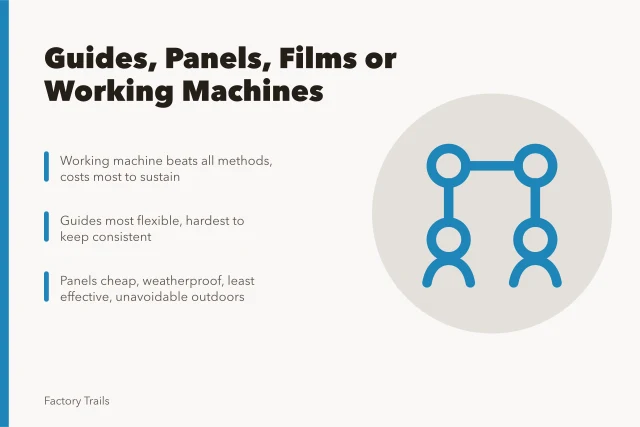
How the formal process runs when there is funding is set out in how interpretation works from plan to finish, and the comparison of methods explains why the expensive options are expensive.