Guides
How a factory tours planning workflow keeps U.S. visits on track
Planning factory tours in 2027 helps U.S. visitors confirm public access, build a realistic route, prepare for tour conditions, and use a responsible fallback.
A reliable 2027 factory tour plan follows five steps: pick one question, confirm public access with the operator, build one primary stop plus one backup, check booking windows and costs, then fix a fallback deadline. Follow them in order and you avoid the standard failure, which is driving to a locked gate.
What to take away
- Confirm public access on the operator's own visitor page, never from a map or a brand name.
- Plan one primary stop and one complementary stop that answer the same question.
- Book weekday plant and mill tours two to four weeks ahead; typical cost runs from free to about $30 per adult.
- Check age limits, footwear and safety glasses before you travel, not at the door.
- Set the recheck date the day before travel and name the fallback then.
Run the five-step workflow
- Write the question the visit should answer, in one sentence.
- Confirm the primary public experience on the operator's current visitor page.
- Check entry, timing, eligibility, accessibility and safety terms.
- Add one complementary stop with a different role and its own source.
- Name the fallback and the date you will recheck the primary.
Step two carries the most weight. Confirm which days a production line actually runs before you pick a date; the planning note on production days explains why an idle Friday leaves you with a silent floor and no tour.
Confirm public access with the operator, not the map
A building on a map is not an invitation. The National Park Service Coltsville self-guided route page names the Colt Armory Complex as the start point and warns that many sites in the district are private homes. That is one district. The rule applies everywhere.
Run this checklist against every stop:
- The operator's own visitor page, checked this month.
- Whether entry is timed, ticketed or walk-in.
- Whether the public route crosses active production, offices or housing.
- A phone number or email that a person answered.
- The gap between a factory tour and a heritage exhibit.
Brand names mislead. Chocolate World in Hershey, Pennsylvania is a visitor center, not a working plant, so no amount of searching produces a factory floor tour there. The industrial site interpretation checklist sets out what a public display must prove before you build a day around it.
Verify public access
- Use exact current visitor page
- Save start point and public route
- Confirm hours and reservation terms
- Check contact route
- Do not use unconfirmed locations as stops
Example: one question, one primary stop
Ask how iron moved from ore to pig iron in the New South. Sloss Furnaces in Birmingham, Alabama answers that with a preserved furnace and self-guided walking routes. Add a second Alabama site only when it adds different evidence, such as labor history or rail.
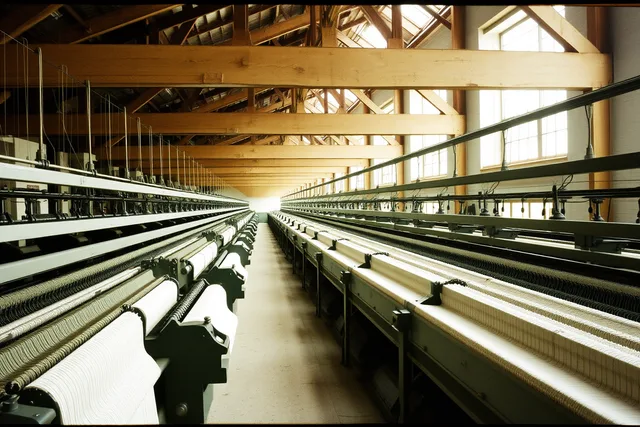
For New England, Lowell National Historical Park in Massachusetts runs working textile mill exhibits and canal tours from a visitor center inside the old mill district. One mill town can answer the same question for a different industry, at a much shorter drive.
Booking windows, costs and tour lengths
The figures below are typical ranges across these formats, not quotes. Confirm on the operator's page.
| Stop type | Typical booking window | Typical length | Typical cost per adult |
|---|---|---|---|
| Working plant or brewery tour | 2 to 4 weeks on weekdays; 4 to 8 weeks for summer weekends | 45 to 90 minutes | Free to about $30 |
| NPS mill park, such as Lowell, MA | Grounds and visitor center walk-in; reserve seasonal boat and trolley tours days ahead | 1 to 3 hours on site | Free, with seasonal tours often under $15 |
| Heavy-industry heritage site, such as Sloss Furnaces, AL | Self-guided walk-in; check the event calendar first | 1 to 2 hours | Free, with ticketed special events |
| U.S. Mint facility | Timed tickets released in batches; book the day dates open | 30 to 45 minutes | Usually free with a reservation |
Group visits need earlier booking than solo ones. A weekday morning is the easiest slot to secure, and it gives the clearest view of a running line. Groups using outside help should compare offers first; picking a heritage travel provider covers what belongs in the agreement.
Accessibility, age limits and safety gear
Active plants and preserved sites set different rules. Confirm stairs, walking distance, seating, hearing protection and wheelchair routes before you pay. Many working facilities bar children under a set age and turn away open-toe shoes.
Protective equipment comes from the plant. U.S. employers must supply required gear, including eye and foot protection, under OSHA's general PPE standard. Expect safety glasses and closed shoes at minimum, and ask what the site provides.
Set the fallback deadline before you travel
Recheck the primary twice: the day before travel and again before you leave. If it is closed, cancelled, full or still unconfirmed, move to the fallback. Do not try a service entrance or ask staff to bend the public terms.
The fallback must answer the same question. A process question can fall back to a museum gallery or a visitor center exhibit. A district question can fall back to a self-guided route with its own current page. Common factory visit mistakes lists the errors that turn a confirmed stop into a wasted day.
Set decision and fallback
- Day before travelRecheck current information
- Before leavingRecheck again
- If primary changedUse confirmed fallback
- FallbackPreserve the original question