Guides
What to ask industrial tour providers before you book a plant visit
Questions for industrial tour providers in 2027 help U.S. operators compare route knowledge, visitor safety, communication, scope, and change readiness.
What to take away
- Ask about the route, the group size and the approval chain before you ask about past clients.
- Get the safety boundary answers in writing and keep them on file.
- Score every candidate on one weighted sheet, not on rapport.
- Treat any claim to override the host's rules as a stop signal.
- Ask what the provider still needs from you, and when it will arrive.
Route questions and the answers that count
The first call is about the physical day, not the provider's client list. Ask for the route. A factory tour hiring checklist sets out the scoping order, so send questions only after the assignment is defined.
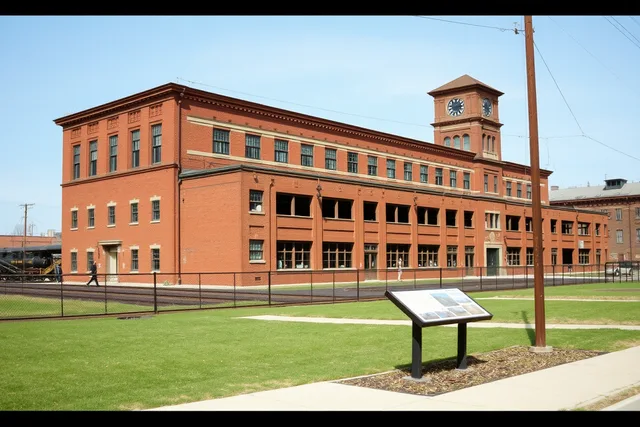
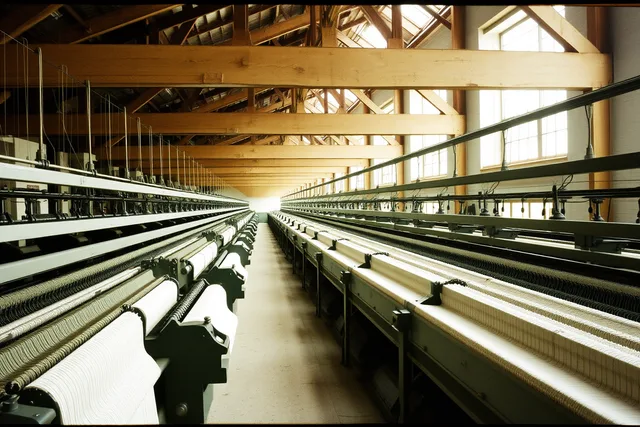
Use the same seven questions for every candidate. Answers will differ by site. A heritage mill floor with working looms, as at Lowell National Historical Park, sets tighter limits than a bottling hall with a catwalk.
| Question | A strong answer includes |
|---|---|
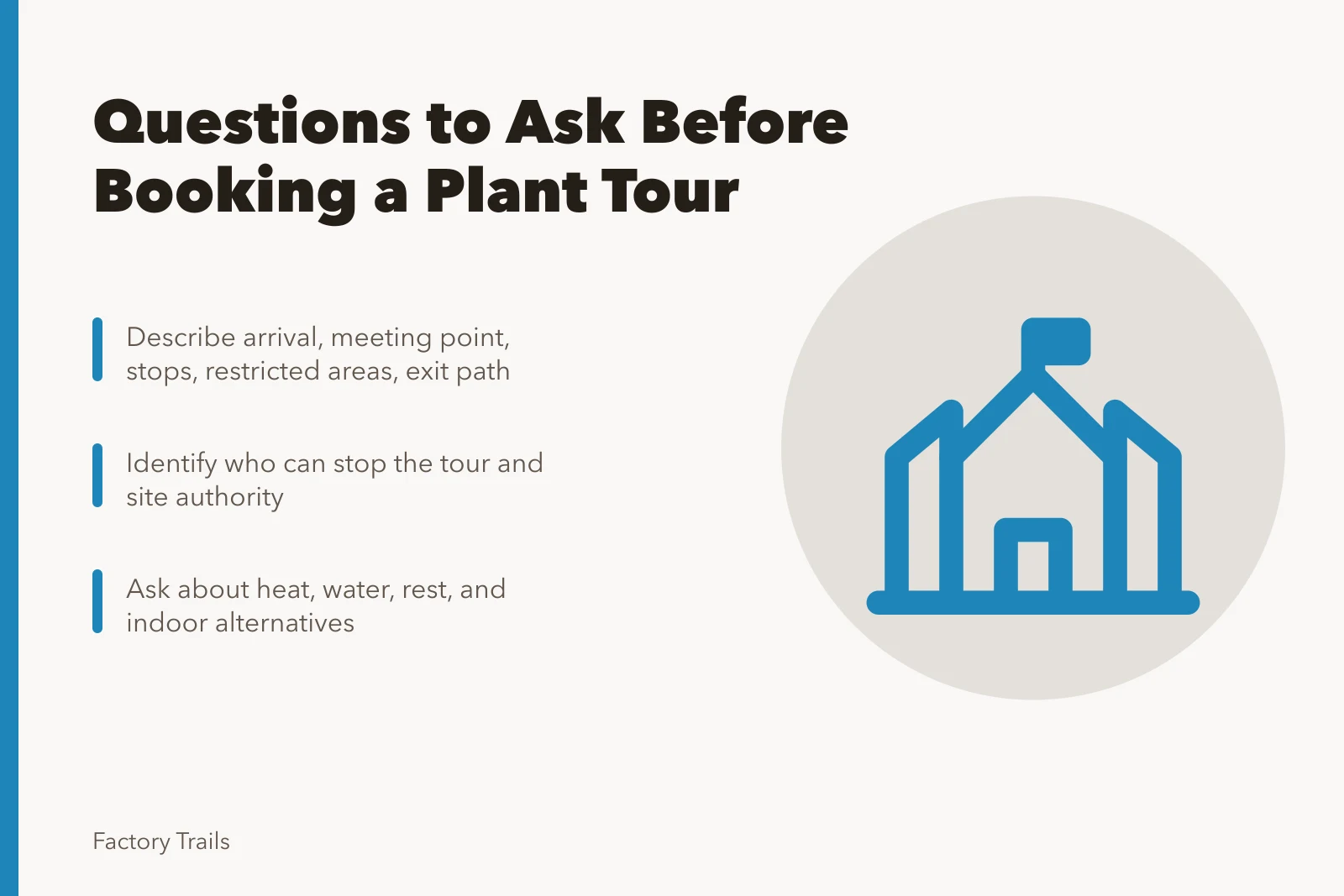
| Walk me through the visitor route from arrival to exit. | A named meeting point, the stop order, walking distance, doors and stairs. |
| Where does the group stand while machines run? | A marked floor line, distance from moving parts, and limits set by the host. |
| Which areas are off limits, and how are they flagged? | Named restricted zones and the person who marks them on the day. |
| How long is each stop, and what happens if production slows? | Timings, a drop order, and the role that decides which stop goes. |
| What do you still need from us? | Shift times, protective equipment stock, floor plans, two named contacts. |
| Who briefs guests on protective equipment? | The host or a trained guide, before entry, with a fit check at the door. |
| Who can stop the tour? | Named roles, host first, and the walk-out path the group follows. |
Route questions to ask
- Arrival to departuremeeting point, route order
- Route facts still neededdoors, stairs, stops
- Group limitsite conditions and staffing
- Site staff controlaccess, safety, closures
- Material changewho writes, where sent
Route terms matter. The U.S. Access Board guide to accessible routes gives you the vocabulary for the first question, covering walking surfaces, doors, ramps, elevators and permitted lifts. Ask the candidate to describe the route in those words.
Safety boundaries and the host's authority
Hiring a guide does not hand over control of a production floor. The provider works inside the host's rules.
Put these four follow-ups in writing:
- Who delivers the visitor safety briefing, and can I see the document?
- Who on site can stop the tour, and how is that authority passed to your guide?
- How are restricted, hot or changing areas flagged on the day?
- What protective equipment does the host require, and who supplies it?
Safety boundary questions
- Who gives safety and restricted-area briefing?
- What if intended path is unavailable?
- Which instructions can provider give?
- How are visitors counted in controlled areas?
- Who contacts group if arrival time changes?
Most visitor-day failures start at the briefing. Common factory visit mistakes lists the ones that repeat across sites, including unclear exit roles.
The OSHA hazard communication guidance covers how chemical hazards reach workers in a plant. A visitor tour is not a workplace training program. Your guide must learn the host's process instead of improvising at the door.
Exits, closures and last-minute changes
The OSHA exit route standard sets out workplace exit requirements. It supports one direct question: does the tour plan match the site's approved movement and exit arrangements?
Test the answer with a scenario. Say the usual visitor entrance closes ten minutes before arrival, then ask for three things:
- Who approves the alternate entrance?
- How are booked guests told, and by whom?
- How is the group kept together while the route changes?
A strong reply names roles and records the change. A vague promise of a safety-first approach should score low.
Copy these questions into your first email
Send the questions before the call so the candidate can prepare. This wording works:
Please describe the visitor route from arrival to exit, including the meeting point, stop order, walking distance, stairs and doors. List the areas we cannot enter and how they are marked. Name the person who can stop the tour, the person who approves a route change, and the person who sends guest notices. Tell us what you need from us, and when.
Keep the reply. It becomes the baseline you score against. The factory tour budget checklist lists the cost lines to request in the same email, so quotes stay comparable.
Example: an answer that hides weak scope
Two replies to the same scope request show the gap.
Weak: "We cover everything you need for a smooth plant visit. Route preparation is standard and travel is billed at cost."
Better: "Route preparation is a separate line and includes a site walk. Live delivery covers two guides. Guest notices are ours. Travel, translation and printed materials are separate lines."
The weak answer hides the split between included and extra work. That split is where budgets move.
Score the answers with weights
Score evidence, not personality. Use one sheet for all candidates, and set the weights before the calls.
| Criterion | Weight | What earns full marks |
|---|---|---|
| Route knowledge | 20 | Named stops, distances, doors and limits |
| Respect for host authority | 20 | Names who approves and who can stop |
| Access detail | 15 | Correct route terms, unresolved gaps listed |
| Change handling | 15 | Named approver and a recorded change |
| Visitor communication | 15 | Names the audience and the sender |
| Scope clarity | 15 | Separates included work from extras |
A candidate who scores below half on route knowledge rarely improves on the day. For trips that pair a working plant with a museum stop, choosing an industrial heritage travel provider covers the questions that sit outside the plant gate.
When an answer stays vague, note the fact you still need and the date it is due.
Common questions
Should I send the questions before the interview?
Yes. Sharing them lets each candidate prepare a route-specific reply, which makes the scores comparable.
Which answer should end the conversation?
One that claims the provider can set aside the host's rules, or that cannot say how a change reaches guests and staff.
How many questions are enough?
Enough to cover route, group, safety boundaries, access, communication, scope and change authority. Answer quality matters more than list length.
Do I need the same questions at a museum site?
Mostly. Drop the production floor items and keep access, exits, communication and scope.