Industry
Factory trail case studies: the results and the conditions behind them
Named factory trail case studies: Derwent Valley Mills, Ironbridge Gorge, Blaenavon, Lowell and Zollverein, with results and the conditions behind them.
What to take away
- A factory trail case study names one industry, one region, one route, and what happened next.
- The result is usually a designation, a museum, a working plant, a park, or a managed liability.
- The conditions are water, coal, ore, transport, and capital.
- The afterlife belongs in the case study, not in a footnote.
A factory trail follows one industry across a region. The best case studies say what was built, what remains, and which conditions made it possible. Here are named examples.
Derwent Valley Mills, Derbyshire
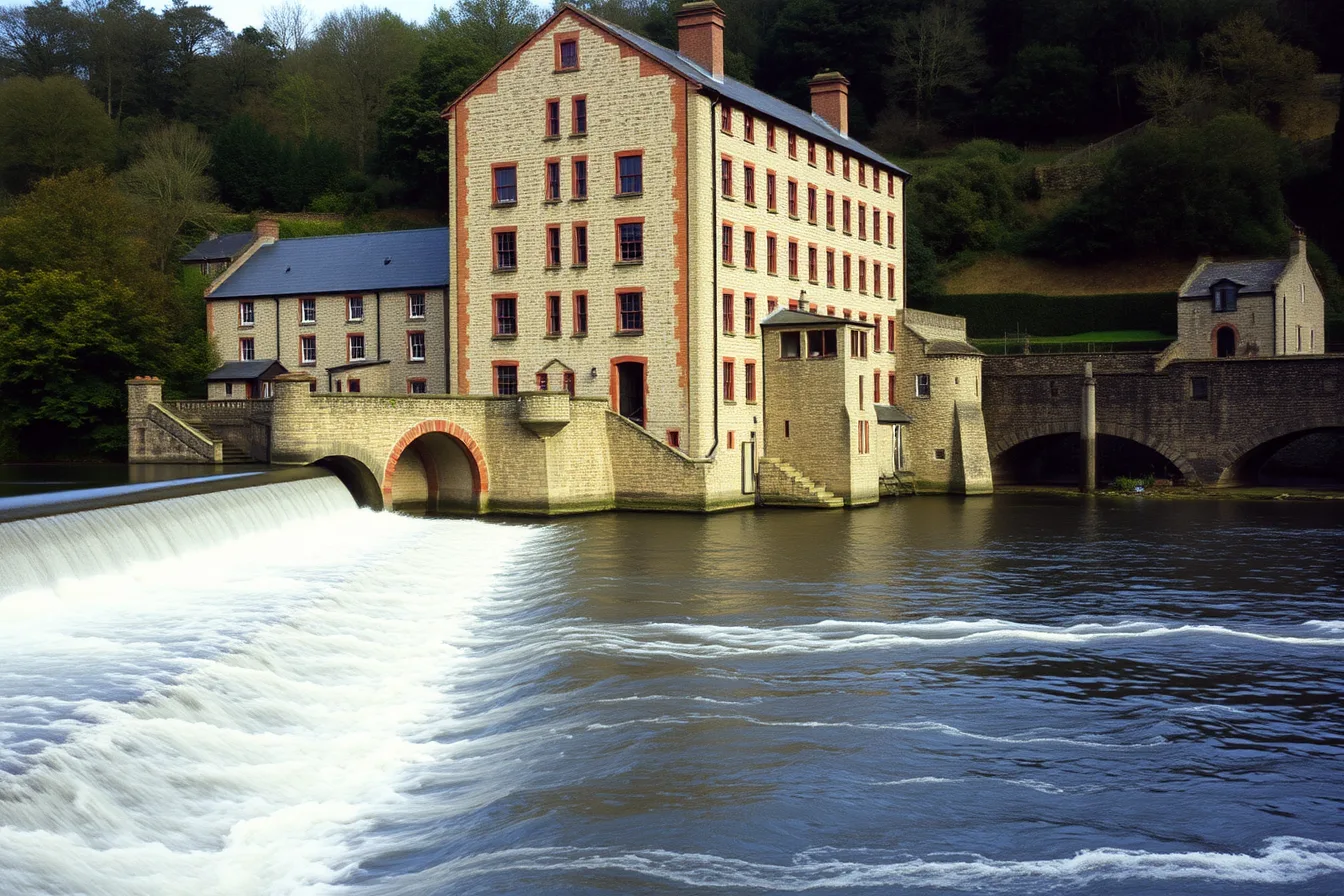
Result: UNESCO World Heritage Site since 2001. Cromford Mill, Masson Mill and Belper North Mill are key sites on the route. The Derwent Valley Line and Heritage Way link them. Conditions: fast-flowing River Derwent, Richard Arkwright's water frame patent of 1769, lead-mining capital, and later canal and rail links.
Ironbridge Gorge, Shropshire
Result: UNESCO World Heritage Site since 1986. The Ironbridge Gorge Museums run Coalbrookdale, Blists Hill Victorian Town and Enginuity. Conditions: shallow coal, iron ore and limestone in the Severn Gorge, plus river transport and Abraham Darby's coke smelting from 1709.
Blaenavon, Torfaen
Result: UNESCO World Heritage Site since 2000. Big Pit National Coal Museum is free to enter and offers underground tours. Blaenavon Ironworks and the World Heritage Centre interpret the town. Conditions: outcropping coal and iron ore, canal and tramroad links, and a skilled workforce.
Lowell, Massachusetts
Result: Lowell National Historical Park was established in 1978. Canal boat tours, trolley rides and restored mills explain the textile city. Conditions: the Merrimack River drop, a power canal system, Boston capital, and a workforce of Yankee women then Irish and French Canadian immigrants.
Zollverein, Essen
Result: UNESCO World Heritage Site since 2001. Shaft XII, the coking plant and the Ruhr Museum draw visitors. The Route der Industriekultur links it to other sites. Conditions: Ruhr coal, the Rhine-Herne Canal, rail links, and the Haniel family's capital.
Sloss Furnaces, Birmingham, Alabama
Result: a National Historic Landmark and metal arts centre. The blast furnace site is preserved and offers self-guided visits. Conditions: local iron ore, coal and limestone, plus rail links.
Other named cases include Saltaire, New Lanark and Quarry Bank Mill. Each pairs a restored mill with water power, canal or rail, and a specific workforce.
The afterlife and the record
Heritage sites end at closure, but industrial sites often need long care. The Department of Energy's Office of Legacy Management manages former defence and energy sites. The National Archives' guide to starting research shows how to use contracts, production records and photographs. A day there turns visits into a case study.
What the good case studies have in common
- They follow one industry, not one town.
- They include extraction or supply.
- They cover labour and who was excluded.
- They say what happened to the ground.
- They admit what is not known.
The general approach is in the starting point guide. How interpretation gets made at the sites you will visit explains why some sites tell this story.