Guides
Factory tours in 2027: what to confirm before you plan a visit
Factory tour fundamentals for 2027 help U.S. visitors verify access, understand safety and accessibility limits, prepare questions, and plan a public fallback.
What to take away
- Confirm the public program on the page of the organization that runs the site, not on a review, a video or a social post.
- Check seven live details before you bookprogram, start point, timing, eligibility, accessibility, photography and fallback.
- Treat a visitor center as a complete answer. At Hershey's Chocolate World the public experience is the visitor center, and the plant itself is not open to visitors.
- Expect protective equipment and route rules in working areas. OSHA rule 1910.132 covers when employers must supply that gear.
- Prepare three to five questions for the guide, plus one confirmed fallback if the tour changes.
Seven checks that decide the trip
A tour page and a tour booking are separate things. The page says a program exists. The booking confirms the date, the time and the terms that apply to you.
| Check | Why it matters | What to keep |
|---|---|---|
| Public program | A plant may not offer walk-in access at all | Link to the current page and the date you read it |
| Start point | Tours often begin at a visitor center or a separate gate | Full address and arrival instructions |
| Timing | Programs run seasonally and get modified | Date checked and the confirmed tour time |
| Eligibility | Age, group size and footwear rules vary | The exact current wording |
| Accessibility | Routes may include stairs, uneven floors or noise | A named contact for your accommodation request |
| Photography | Production, workers and security areas may be off limits | The current policy, or the instruction staff gave you |
| Fallback | A tour can change without notice | A confirmed public alternative |
Pre-visit confirmation checklist
- Public programdirect current page
- Start pointaddress and arrival instructions
- Timingdate checked and tour time
- Eligibilityexact current term
- Accessibilitycontact path for accommodation
- Photographycurrent policy or staff instruction
- Fallbackconfirmed public alternative
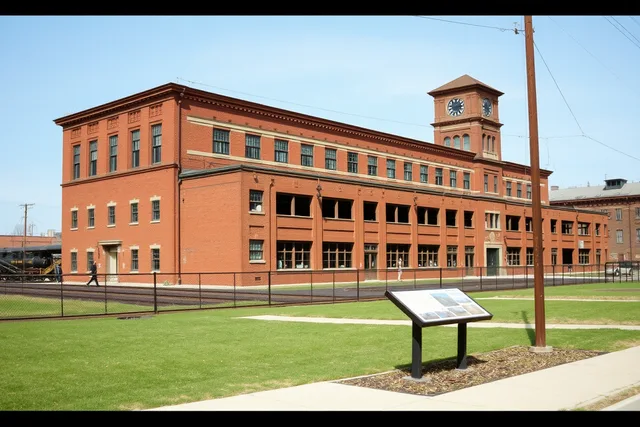
Old Slater Mill shows why the small details matter. Its National Park Service page lists current tour timing, uneven floors, weather modifications and areas closed for safety work. Reading it takes two minutes and can save a wasted drive.
If you intend to write up the visit, an industrial site interpretation checklist keeps the historical framing separate from the live visitor facts.
Example: three programs that publish their own terms
The Royal Canadian Mint splits its public offer. Winnipeg runs the production facility tours, while Ottawa hosts a smaller boutique mint, so confirm which city you are booking. The Mint's own visit page carries the schedule, the ticket terms and the age rules.
Hershey's Chocolate World is a visitor center rather than a plant tour. The displays explain the product, but the working factory stays closed. That single fact decides what your day can show you.
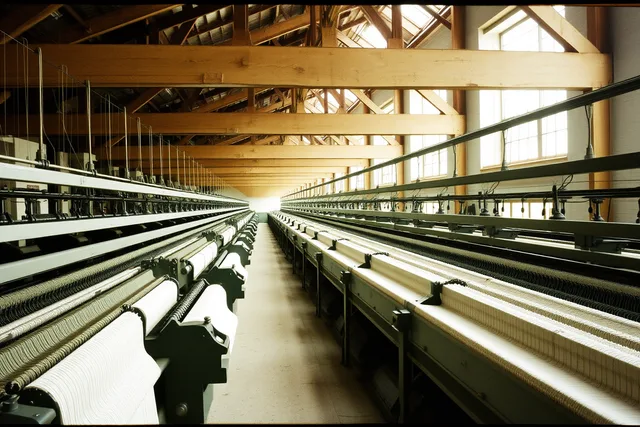
Lowell National Historical Park runs working textile mill exhibits and tours. The park service rather than a mill company sets the rules you follow. Ask each site which body runs the visitor program, because that operator owns the terms. These programs follow the days a line runs, so planning around the production calendar beats a long list of stops.
Costs, reservations and ticketing
Most public tours are free or carry a modest per-person ticket. The only price you can trust is the one on the responsible booking page, read close to your travel date. Typical range: zero to roughly the cost of a museum admission. Treat that as a range, not a quote.
Some sites take walk-ins at set times. Others require a timed reservation and cap the group size. Ask whether your ticket is tied to a specific entry time, whether it can be refunded, and whether a booking fee applies.
Ask how far ahead group slots open, and whether weekday slots are easier to secure. Parking charges and minimum group sizes are worth checking before you commit. A factory tour budget checklist helps a group, because transport and lost time usually cost more than the ticket.
Questions worth asking on the route
Pick three to five questions the public program is likely to answer. Ask them at a natural pause, not mid-walk.
Questions for the public program
- Main production step this tour explains
- Key materials, tools, or skills
- How the process changed over time
- Quality control or safety on the public route
- Historical or community context of the place
- Which step on this line limits output, and how do you measure it?
- What changed in this process over the last few years?
- Which tasks are still done by hand?
- How long does it take to train a new operator?
- Where does quality control sit at the end of the line?
Skip confidential processes, pay, formulas and restricted areas. Carry that topic home as a research lead instead. A guide who says a step is off the public route has already answered your question about the route.
Safety, footwear and photography rules
A production area can demand the same gear as the people who work in it. OSHA rule 1910.132 sets out when employers must provide and pay for protective equipment. That rule explains why a plant may hand you glasses or earplugs at the door.
Closed-toe shoes are the common minimum. Safety glasses, hearing protection and no loose clothing often come next. Underground programs add a hard hat and a lamp, so check how to book a Britannia Mine Museum underground tour if that is your plan.
Confirm age minimums before you promise a child a factory visit. Ask about photography at the start, not after you raise a camera.