Guides
Manufacturing museum safety checklist: how to set scope before you publish
Manufacturing museum safety checks for 2027 help U.S. sites define visitor boundaries, record concerns, confirm programs, and update public information.
Use this as a pre-publication checklist for editors, not visitor safety advice. It covers the checks to run before you publish or refresh visitor information for a manufacturing museum.
What to take away
- Confirm one named public activity at one named site, then write only that.
- Record the source, the approval date and the named approver for each visitor claim.
- Publish the confirmed boundary and cut any route you cannot re-check today.
- Run the itemized checklist against the summary, tables, captions and images last.
- Keep safety detail inside the institution's process and publish only its public effect.
Scope the claim to a named public activity
A site name is not a public activity. Sloss Furnaces in Birmingham, Alabama is a National Historic Landmark with public site access. What you may publish is narrower: the guided walk, self-guided route or event listed this month, or nothing at all if the gate is closed.
Most publishing errors sit in the gap between a historical description and a current public statement. Public conditions change, as the National Park Service visitor conditions guidance notes, so a current operator page beats a cached listing.
Museum practice keeps historical description and current public statement as two records. The manufacturing museums fundamentals guide draws that line for visitors, so read it before you write a promise about what a guest will see.
Example: Sloss Furnaces and Lowell National Historical Park
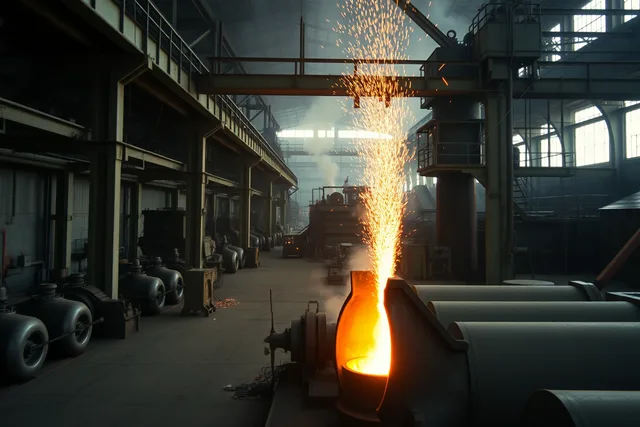
Sloss Furnaces runs public programs on a preserved blast furnace site, so the program line must match the current calendar rather than the 1900s operation. A caption about pig iron is history; a tour time is a promise.
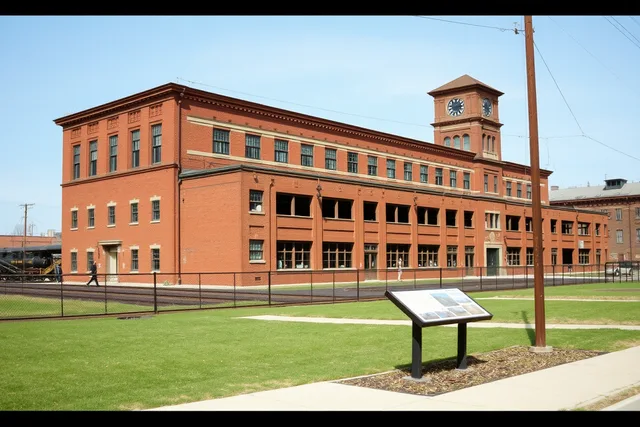
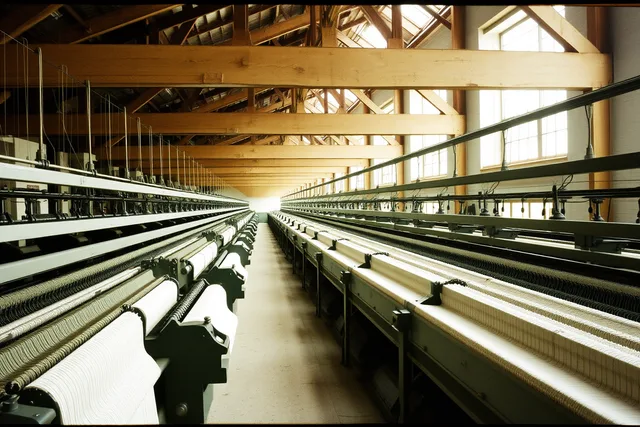
Lowell National Historical Park in Massachusetts keeps working textile machinery in a former mill district, and ranger programs run at set times. A static exhibit label and a working demonstration are different rows in your table. Name the one that exists.
Britannia Mine Museum in British Columbia books underground tours by time slot.
Safety wording you can publish
The Smithsonian National Museum of American History's emergency-preparedness guidance puts visitor and staff safety first and holds collection staff back until obvious hazards are cleared. The priority is common to every site. The procedure behind it is not yours to copy.
OSHA's general PPE requirements set out when an employer must provide protective equipment, with eye and face rules at 1910.133 and foot protection at 1910.136. If a tour needs safety glasses or closed shoes, publish the operator's own notice and say whether gear is supplied.
A closure, a detour, a paused demonstration and a shorter route are publishable lines. Incident detail and internal review findings are not. The factory tour safety checklist covers what a guest should confirm before entering a plant.
Record the source, the date and the approver
Keep one working record. Each row carries the claim, the source, the approver and the date it was last checked.
| Check | Record |
|---|---|
| Entry and route | Current public entrance, route and posted boundary. |
| Program | Exact tour, exhibit or demonstration name and source. |
| Physical change | Any confirmed closure, detour or access limit. |
| Equipment | Whether machinery is static or part of an approved public program. |
| Communication | Website, sign, listing and staff notice that need review. |
| Escalation | Named role for a concern or correction. |
Use the checklist below to record each visitor-safety item before you publish.
Visitor-Safety Check Items
- Entry and routepublic entrance, route, boundary
- Programexact tour, exhibit, or demonstration name
- Physical changeconfirmed closure, detour, limitation
- Equipmentstatic or approved public program
- Communicationwebsite, sign, listing, staff notice
- Escalationresponsible role for concern or correction
Review in one fixed order, because access errors have the most immediate effect on a reader's plan.
- Access and routeconfirm the entrance visitors will actually use.
- Programsmatch names and times to the operator's current page.
- Arrival notesparking, gates and check-in points.
- Images and captionstest each caption against present access.
- Title, summary and table fieldscheck they promise the same activity.
- Recordsource, approver, review date and the old wording.
Directions are where a checked page usually fails. The visitor arrival notes guide explains how to phrase gates, parking and entry points so guests can follow them.
Run the checklist before you publish
- Title and summary name the same public activity as the body.
- Every program, tour and demonstration has a live source.
- Route notes match the current entrance and posted boundary.
- Paused or unconfirmed items are removed, not softened.
- PPE requirements quote the operator's own notice.
- A named person and a review date are recorded.
- The change record keeps the old wording, the date and the reason.
What stays out of scope
This review covers one site and one page. Trip planning, ticket bundling and comparisons sit elsewhere, where each claim has its own schedule and its own owner. A heritage route across several states needs its own source, its own approver and its own review date.
If you are writing that second page, the Britannia Mine Museum underground tour guide shows how booking terms and timed entry change what a visitor must be told before they pay.
The year tags are labels, not deadlines
The 2027 tags on articles in this series mark a planning year. Nothing in these checks turns on a calendar change, and no date flips a claim from true to false. What matters is the date on your source, the date of approval and the date of the next review.